
The .38 Special vs 9mm question used to be simple. Revolvers shot .38 and pistols shot 9mm. That line is gone. Smith & Wesson brought back the 940, Ruger builds the LCR in 9mm, and Taurus has sold a revolver with interchangeable cylinders. So if you are buying a snub today, you get to pick the cartridge, and the answer is not as obvious as the spec sheet makes it look.
On paper, the 9mm wins. It runs at roughly twice the chamber pressure of standard .38 Special, pushes 115 to 147 grain bullets faster, and costs a lot less to feed. Travis Pike put it plainly in his 940 vs LCR shootout: he could find 9mm for 18 cents a round if he shopped around, while .38 Special ran about 50 cents.
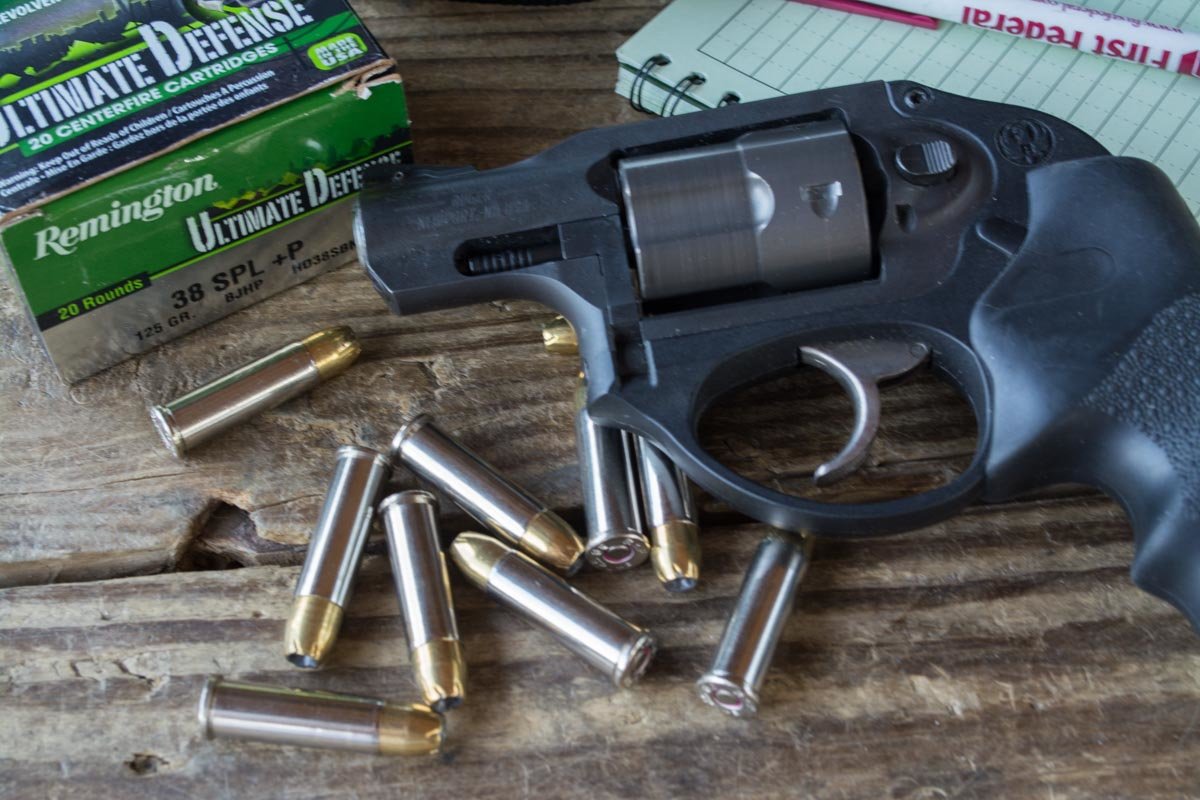
The .38 Special answers with what revolvers were built for. It is a rimmed cartridge with a revolver crimp, so it ejects without moon clips and its bullets do not walk forward under recoil. Its loads are soft enough to control in a 15 ounce gun, and there are short-barrel hollow points designed to open from a 2 inch snub.
So here is my bottom line. For a semi-auto, there is no contest: buy the 9mm. For a revolver, pick 9mm if cheap practice matters most and you do not mind moon clips. Pick .38 Special for the lightest guns and the simplest manual of arms. Our best 9mm revolvers guide covers the 9mm wheelguns, and our best snub nose revolvers guide covers the .38s.
Table of contents
Buyer’s Guide: .38 Special vs 9mm
Pressure and Velocity
Robert Sadowski’s .38 Special vs .357 Magnum explainer lays out the .38 numbers: a SAAMI maximum of 17,000 psi for standard loads and 20,000 psi for +P, with a 1.155 inch case. Federal American Eagle 158 grain .38 Special is listed at 770 fps. The 9mm Luger runs to 35,000 psi. From snubs, our .38 Special ammo guide recorded 786 to 905 fps across the leading short-barrel hollow points. From the S&W 940, Jim Maybrick clocked Winchester 147 grain 9mm hollow points at 947 fps, and that was the mild load in his test.
Barrel Length Hurts Both
Snub barrels steal speed. Our Remington Ultimate Defense test found you lose roughly 50 feet per second for every inch of barrel you give up, and our ammo guide warns that most .38 hollow points were designed for 4 inch service revolvers. Whichever cartridge you pick, carry a load built for short barrels, like Speer Gold Dot Short Barrel or Federal HST Micro in .38.
Moon Clips and Rims
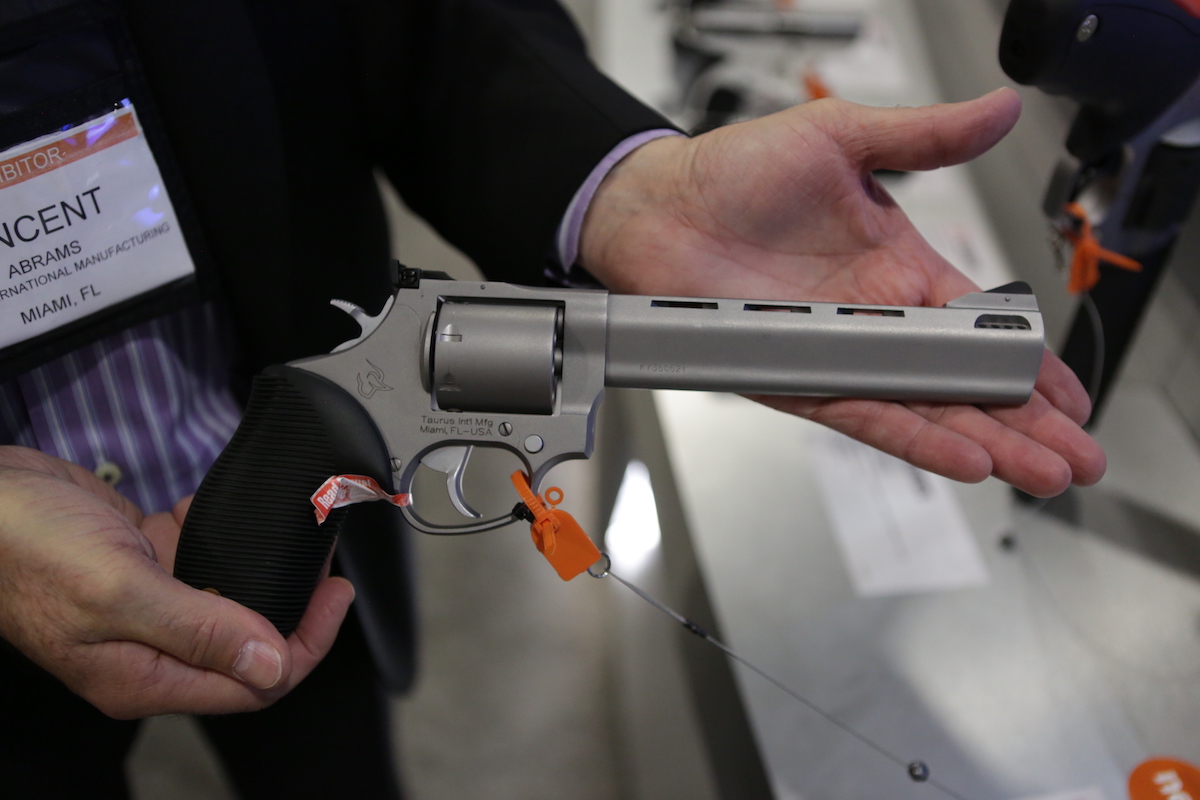
The 9mm has no exposed rim, so a revolver needs a moon clip to eject the empties. Maybrick’s 940 shipped with three five-round TK Custom full moon clips, and loading a clip drops all five rounds in as fast as one. Pike called moon clips fragile, a pain to unload, and easy to bend. His 940 needed them to fire reliably, while his LCR fired without them. The rimmed .38 Special needs none of that.
Crimp Jump
Pistol ammo is not crimped as tightly as revolver ammo. Under recoil, bullets in the unfired chambers can pull forward and tie up the cylinder. Pike had it happen in the 17.2 ounce LCR with 147 grain loads, a slow and complicated malfunction to clear, and never in the heavier 23.52 ounce 940. He advises testing your carry load and skipping 9mm +P in light revolvers.
Ammo Cost and Selection
Pike notes there are tons of 9mm loads available, including short-barrel and low-recoil rounds, and they all functioned reliably in his snub 9mm revolvers. Pike’s figures, at the time of his comparison, were about 18 cents versus 50 cents per round. That gap buys a lot of practice, and practice is what makes a snub work.
Recoil in Small Guns
Light revolvers kick, and hotter loads make it worse. Our Kimber K6xs reviewer found +P Gold Dot and Federal Punch recoil in .38 Special significant but manageable in a gun under a pound. Pike found the 9mm 940’s squared-off grip frame and extra weight made it the more controllable of the two 9mm snubs he tested, putting five rounds in an eight inch circle faster than he could with the LCR. If recoil keeps you from practicing, standard pressure .38 or a heavier frame is the cure.
Fixed Sights and Point of Impact
Most snubs have fixed sights machined into the frame, so the load you pick decides where the gun hits. Our S&W 642 UC reviewer found Gold Dot printing 1 to 2 inches high at 5 yards and about 8 inches high at 15 yards in his gun. Maybrick, on the other hand, saw little point of impact change between 9mm bullet weights in the 940. Try several loads and carry the one that hits where you look.
Capacity
In a revolver, it is a wash: five or six rounds either way. The real capacity gap shows up in semi-autos, where a modern micro-compact 9mm holds two or three times as many rounds as a J-frame.
.38 Special: Best for Ultralight Snubs and Simplicity (2026)
The .38 Special has been the American snub cartridge for generations for good reasons. Sadowski notes it can be fired in any .357 Magnum revolver, which makes the .38 a natural training round for magnum owners. Standard loads are soft, +P adds speed, and the rimmed case means no clips and no crimp jump. Our ammo guide’s favorite short-barrel loads include Speer Gold Dot Short Barrel 135 grain +P, which our reviewers clocked at 815 to 905 fps from snubs, and Hornady Critical Defense 110 grain at 866 fps from a sub-pound Kimber K6xs.
Read our full best .38 Special self-defense ammo guide here.
Key Specs
- Bullet Diameter: .357 inch
- Case Length: 1.155 inch, rimmed
- Max Pressure: 17,000 psi, 20,000 psi for +P (SAAMI)
- Example Load: Federal American Eagle 158 grain at 770 fps
- Snub Velocity: 786 to 905 fps with leading short-barrel defense loads
- Price at Comparison: About 50 cents per round (Pike, 2026)
Pros
- No moon clips and no crimp jump
- Soft enough for the lightest revolvers
- Fires in any .357 Magnum revolver
- Defense loads designed for 2 inch barrels
Cons
- Costs far more per round than 9mm
- Lower velocity and pressure
- Revolver only
🛒 Check Current Price for .38 Special Revolvers on GunsAmerica
9mm: Best for Cheap Practice and Shared Ammo (2026)
A 9mm revolver makes the most sense for someone who already carries a 9mm pistol. Maybrick bought his 940 with law enforcement backup guns in mind, for officers back on 9mm duty pistols. One caliber for both guns is a real advantage. He found accuracy and point of impact similar between 115 and 147 grain loads, with Winchester 147 grain hollow points putting five rounds inside a three inch circle at ten yards, and five of five on an FBI Q target out to 25 yards. Pike preferred the 940’s control and lack of crimp jump, the LCR’s lighter weight and better trigger, and the LCR’s price: about $650 vs $999 for the 940 at the time of his review.
Read our full S&W 940 vs LCR 9mm revolver shootout here.
Key Specs
- Bullet Diameter: .355 inch
- Typical Bullet Weights: 115 to 147 grain
- Max Pressure: 35,000 psi
- Example Load: Winchester 147 grain JHP at 947 fps from the S&W 940
- Price at Comparison: About 18 cents per round (Pike, 2026)
- Revolver Needs: Full moon clips for ejection
Pros
- Much cheaper practice
- Shares ammo with your carry pistol
- Higher pressure and velocity
- Huge selection of loads, including short-barrel designs
Cons
- Moon clips are fragile and easy to bend
- Crimp jump risk in light revolvers
- Fewer revolvers chambered for it
🛒 Check Current Price for 9mm Revolvers on GunsAmerica
.38 Special vs 9mm: Head to Head
- Velocity and pressure: 9mm.
- Ammo cost: 9mm, by a wide margin.
- Revolver simplicity: .38 Special. No clips, no crimp jump.
- Lightest carry guns: .38 Special.
- Shared ammo with a semi-auto: 9mm.
- Semi-auto pistols: 9mm, no contest.
Which Should You Buy?
For a semi-auto, the .38 Special vs 9mm debate ended long ago. Buy the 9mm, and see our best micro-compact 9mms if you want a carry pistol.
For a revolver, it is closer. If you carry a 9mm pistol, shoot a lot, and do not mind managing moon clips, a 9mm wheelgun like the 940 or LCR saves real money and simplifies your ammo shelf. Test your load for crimp jump. If you want the lightest pocket revolver, the widest choice of guns, and the simplest manual of arms, the .38 Special still earns its place. Either way, practice with your carry load. Our best defensive revolvers guide is a good next stop, and GunsAmerica.com has thousands of revolvers in both chamberings.
Leaning toward a semi-auto instead? Our 9mm vs .380 comparison covers the pocket pistol side.

As the Chief Operating Officer of GunsAmerica.com, Chris blends his passion for firearms with years of experience in marketing, communications, and technology. A dedicated 3-Gun competitor, firearm collector, and staunch Second Amendment supporter, he is deeply involved in the shooting community.
Beyond the firearms world, he’s an avid overlander, nature lover, and sailor.
Experience
Tech Founder:Specializing in accelerated growth and digital transformation.
Competitive Shooter: Active 3-Gun competitor with a strong foundation in practical shooting disciplines.
Advanced Training: Completed high-level courses in pistol, carbine, concealed carry, shotgun, and precision rifle.
2A Advocate: Committed to promoting responsible gun ownership, education, and 2A rights advocacy.
Outdoor Enthusiast: Avid overlander, sailor, and adventurer, with a background in self-reliance and off-grid exploration.