
Estimated reading time: 12 minutes
Single-action, double-action, and DAO revolvers may look similar, but their triggers are a whole different story. From cowboy six-shooters to modern concealed-carry revolvers, here’s what separates these trigger systems and why those differences matter when it’s time to shoot.
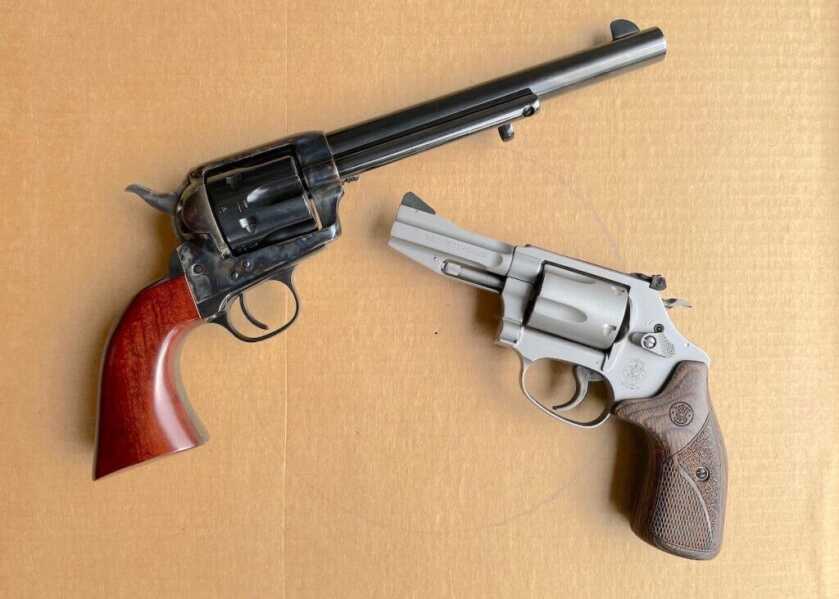
Table of contents
- Single Action Revolvers: Why Cowboys Cocked the Hammer First
- Best-Known Single Action Revolvers: From Colt to Ruger
- Double Action Revolvers: One Trigger Pull Does Two Jobs
- Why Double Action Revolvers Make Sense for EDC
- Double Action Revolver Examples: Small Carry Guns to Magnum Beasts
- DAO Revolvers Explained: Hammerless Doesn’t Mean No Hammer
- Popular DAO Revolvers Built for Concealed Carry
- SA vs DA vs DAO Revolvers: The Trigger Comparison That Matters
Single Action vs Double Action Revolvers: What’s the Real Difference?
How revolver triggers are described and operated can be confusing, especially when comparing single-action vs. double-action revolvers. What is a double-action trigger? What’s different about doubles and singles? And what does DAO mean? I’m no Yoda regarding revolvers, but I can clear things up.
The main difference comes down to what happens when you press the trigger. A single-action revolver requires the hammer to be cocked before firing. A double-action revolver can cock and release the hammer through the trigger pull. A double-action-only revolver, or DAO, takes the single-action option off the table.
That sounds simple enough, but there’s more to these revolver trigger types than meets the eye. Let’s start with the old-school six-shooters and work our way up to modern concealed-carry revolvers.
Inside This Revolver Trigger Guide
- Single Action Revolvers: Why Cowboys Cocked the Hammer First
- Best-Known Single Action Revolvers: From Colt to Ruger
- Double Action Revolvers: One Trigger Pull Does Two Jobs
- Why Double Action Revolvers Make Sense for EDC
- Double Action Revolver Examples: Small Carry Guns to Magnum Beasts
- DAO Revolvers Explained: Hammerless Doesn’t Mean No Hammer
- Popular DAO Revolvers Built for Concealed Carry
- SA vs DA vs DAO Revolvers: Quick Comparison
Single Action Revolvers: Why Cowboys Cocked the Hammer First
Let’s start with single-action or SA triggers since these were the first triggers built into revolver designs. Think of cowboy six-shooters when you think of single-action triggers.
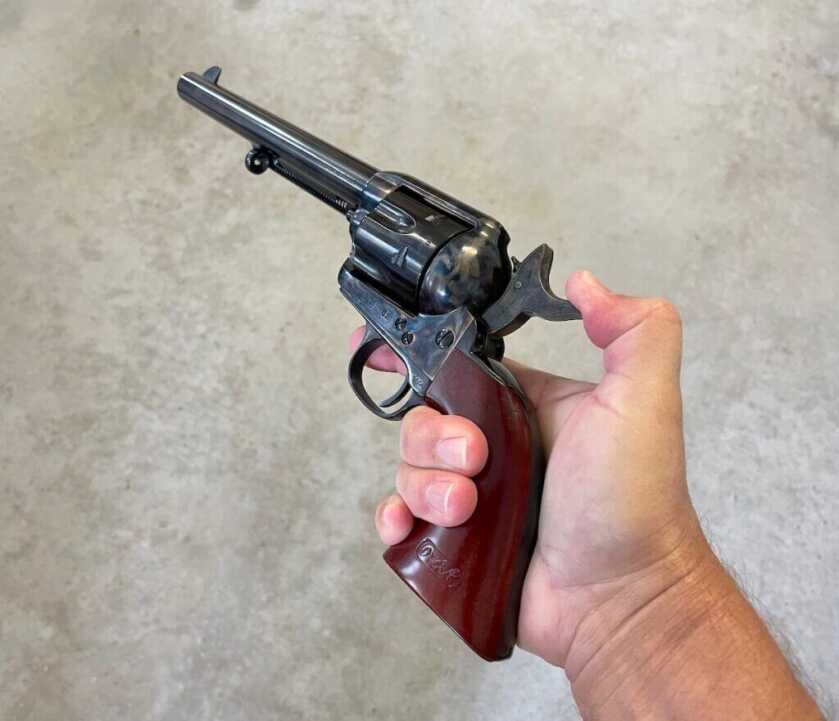
An SA trigger requires the hammer to be cocked before you press the trigger to fire the revolver. As the hammer is cocked back, the cylinder turns to align a chamber with the barrel bore. At full cock the hammer is locked back and the trigger is pressed to send the hammer forward and fire the round. Single-action guns are slower to fire rapidly. Another feature of these revolvers is the cylinder is fixed to the frame. Cartridges are loaded with a loading gate and one chamber is loaded at a time. An ejector rod attached to the side of the barrel is used to kick out shells from the chambers.
In other words, the trigger on a single-action revolver has one job: release the already-cocked hammer. The shooter does the cocking separately. That’s the classic cowboy revolver experience, and it’s part of what makes these guns so much fun.
Best-Known Single Action Revolvers: From Colt to Ruger
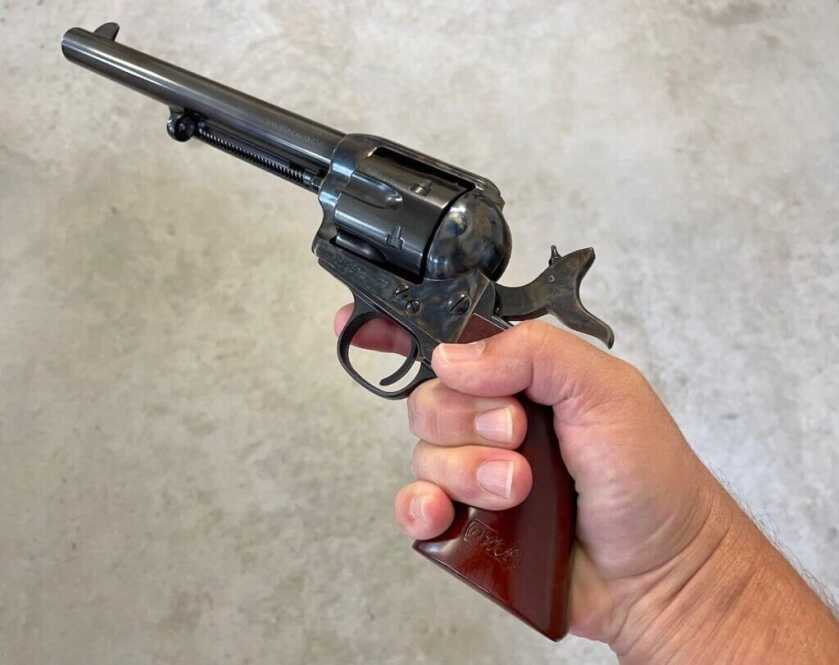
The Colt Single Action Army or SAA is the patriarch of SA revolvers. Clones and wannabe six-shooters from Uberti, Cimarron, Pietta, Taylor’s & Co., and others recreate these old-west revolvers and they are a hoot to shoot. Ruger’s Blackhawk is an example of a more modern SA revolver and it is chambered in many different calibers. Heritage Manufacturing’s Rough Rider series are inexpensive rimfire SA revolvers. Get one of these and a lot of 22 Long Rifle ammo and you will have some fun thumbing back the hammer and letting the lead fly.
Whether you’re drawn to the Colt Single Action Army, a Ruger Blackhawk, or an inexpensive Heritage Rough Rider, the appeal is easy to understand. These revolvers deliver a traditional shooting experience where cocking the hammer is part of every shot.
Double Action Revolvers: One Trigger Pull Does Two Jobs
A double action or DA trigger allows the user to fire the revolver by just pressing the trigger.
Available on GunsAmerica Now

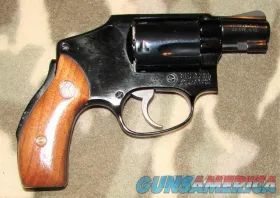
Unlike a single-action revolver, a double-action trigger can cock and release the hammer through one continuous trigger pull. That means there’s no need to manually cock the hammer before every shot.
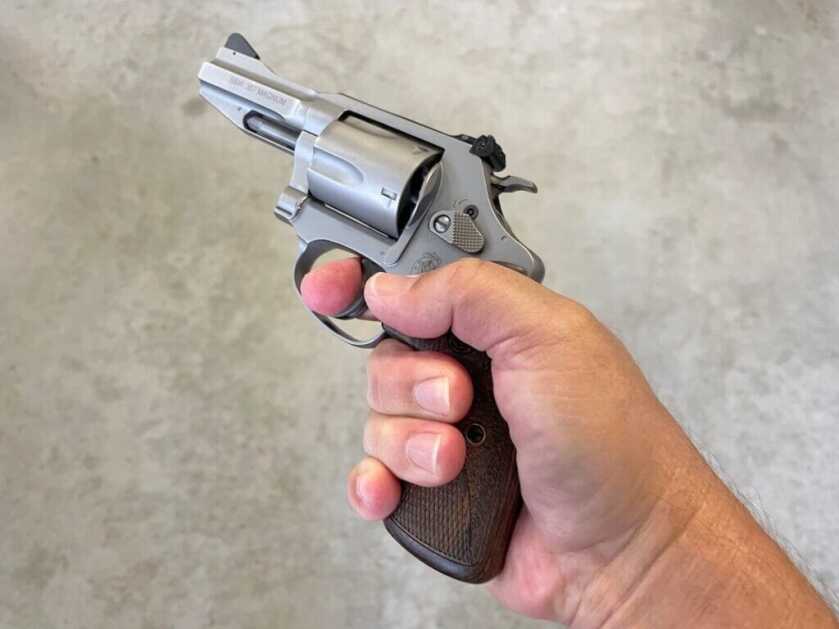
A double-action trigger has a long, deliberate trigger stroke. As you press the trigger, the cylinder rotates to align a chamber with the bore, and at the end of the trigger stroke, the gun will fire. Release the trigger to start the process again. DA triggers are faster to shoot rapidly. Google Jerry Miculek to see just how fast he can shoot a double-action revolver.
That’s where the double-action revolver starts to show its appeal. Instead of manually cocking the hammer between shots, the shooter uses the trigger to operate the mechanism. The tradeoff is a longer, generally heavier trigger pull than you’d find when firing in single-action mode.
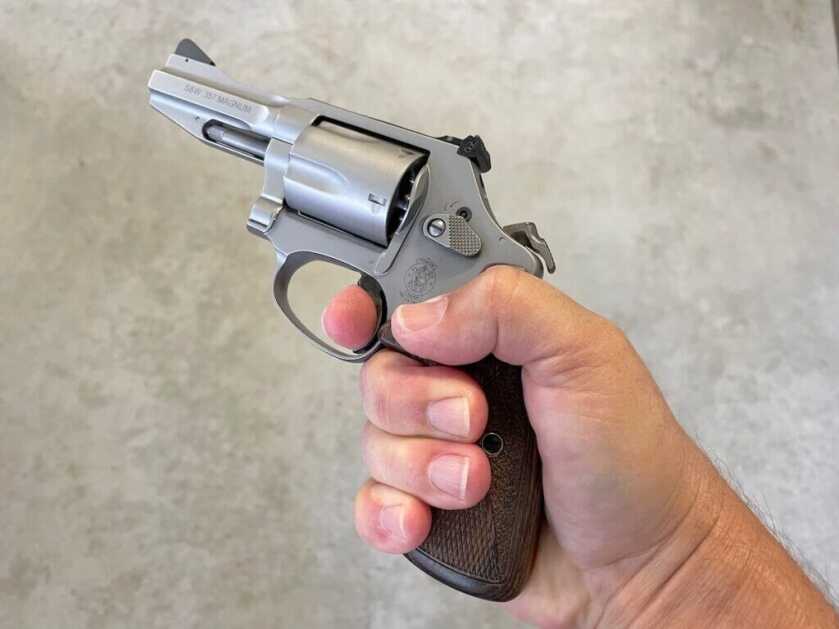
The confusing thing about double-action revolvers is that most can be fired single-action, too. These revolvers are sometimes described as DA/SA or Double Action/Single Action revolvers. With these revolvers, you have a choice to fire the gun by just pressing the trigger or cocking the hammer back and pressing the trigger. The DA triggers’ pulls will be long and heavy compared to the short and lighter SA pulls.
That’s the important distinction between a traditional DA/SA revolver and a single-action-only design. A DA/SA revolver gives you both trigger modes, while an SA revolver requires manual cocking before each shot. Understanding that difference makes the terminology a lot less confusing.
Why Double Action Revolvers Make Sense for EDC
On an EDC revolver, having a DA trigger means you need to deliberately press the trigger to fire the gun. It takes some effort to fire a double-action revolver and that adds a level of safety to a revolver since it needs more effort to fire the gun. Another feature unique to a double-action revolver is a latch is pressed to swing the cylinder out of the revolver frame to reload. In a sense, you are partially disassembling the gun every time you reload. Ejector rods are built into the cylinder which is pressed to dump out empty shells all at the same time.
For everyday carry, that long, deliberate double-action trigger pull is one reason many shooters appreciate the design. It still demands proper trigger discipline and safe handling, but it gives the shooter a different feel from the short, lighter pull of a cocked single-action revolver.
There’s also the reloading advantage of a typical swing-out-cylinder DA revolver. Instead of working through individual chambers with a loading gate, the cylinder swings clear of the frame, allowing the empty cases to be ejected together. That is a substantial difference from the traditional single-action revolvers described earlier.
Double Action Revolver Examples: Small Carry Guns to Magnum Beasts
Smith & Wesson built its reputation manufacturing double-action revolvers, producing small J-frame models perfect for EDC all the way up to X-frame models chambered in powerful magnum calibers that could down a T-Rex. The Ruger SP101 is a good example of a workhorse EDC revolver, while the Redhawk is a good choice to carry for protection against bears. Forget the pepper spray, six rounds of heavy 44 Magnum loads is what I prefer to pack in the woods. The Taurus Raging Hunter and Tracker series offers serious magnum calibers. The Colt Python is an iconic revolver with classic looks. Charter Arms builds DA revolvers that are great for concealed carry and are affordable as well as dependable.
From compact Smith & Wesson J-frames and the Ruger SP101 to the massive magnum revolvers at the other end of the spectrum, double-action designs cover plenty of ground. The same basic trigger concept can be found in practical carry guns, classic range favorites, and serious big-bore revolvers.
DAO Revolvers Explained: Hammerless Doesn’t Mean No Hammer
A DAO or Double Action Only revolver trigger is just that, you can only fire this revolver in double-action. Many times these revolvers are called hammerless revolvers because the hammer of the revolver is enclosed in the frame.
Unlike a DA/SA revolver, a DAO revolver doesn’t offer the option of manually cocking the hammer for a single-action trigger pull. Every shot uses the double-action trigger mechanism.
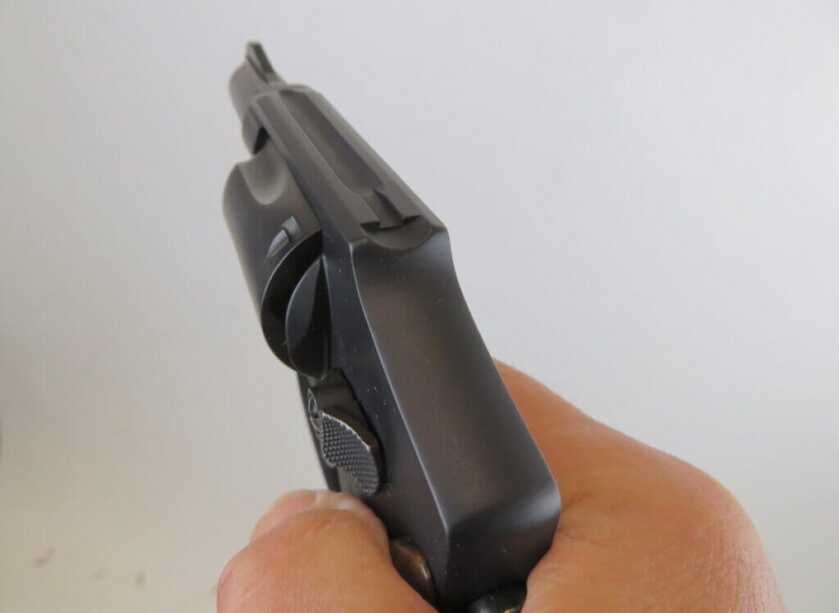
The hammerless naming is really a misnomer since the hammer is inside the frame. Someone coined the term way back when and it just stuck. Other DAO revolvers have the hammer spur cut off so the hammer cannot be cocked back and fired in single-action.
That’s the funny thing about the term hammerless. The hammer hasn’t necessarily disappeared. It’s just hidden away or configured so the shooter can’t manually cock it. The result is a revolver designed around double-action-only firing.
Popular DAO Revolvers Built for Concealed Carry
The Smith & Wesson Model 642 and Model 442 are examples of DAO, hammerless revolvers. The Charter Arms Model 13811 has the bobbed hammer spur.
These revolvers show the two familiar approaches to DAO design: an enclosed hammer or a hammer without an exposed cocking spur. Both eliminate the normal single-action firing option.
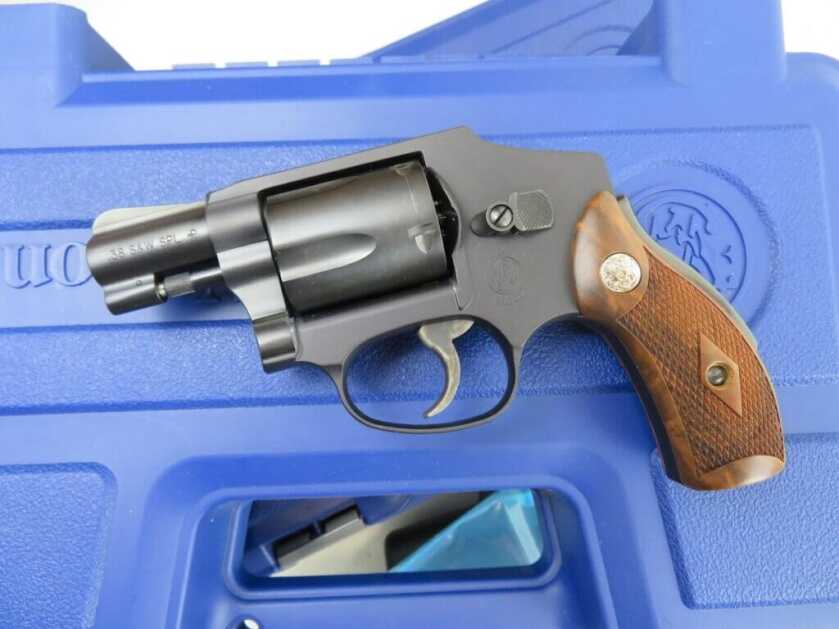
These DAO revolvers are typically small, compact revolvers and are a great choice for concealed carry.
For shooters who want a compact carry revolver without an exposed hammer spur, a DAO design can make plenty of sense. The tradeoff is simple: you give up the option of that short, lighter single-action trigger pull.
SA vs DA vs DAO Revolvers: The Trigger Comparison That Matters
Still trying to keep these revolver trigger types straight? Here’s the quick comparison. Single-action, double-action/single-action, and double-action-only revolvers each do things a little differently.
| Feature | Single Action (SA) | Double Action / Single Action (DA/SA) | Double Action Only (DAO) |
|---|---|---|---|
| Trigger operation | Releases a manually cocked hammer | Cocks and releases the hammer in DA mode; releases a cocked hammer in SA mode | Cocks and releases the hammer through the trigger pull only |
| Manual hammer cocking | Required | Optional | Not available |
| Single-action firing | Yes | Yes | No |
| Typical trigger feel | Shorter, lighter pull after cocking | Longer, heavier DA pull or shorter, lighter SA pull | Longer DA pull |
| Hammer configuration | Exposed hammer | Usually exposed hammer | Often enclosed or bobbed |
| Common examples | Colt Single Action Army, Ruger Blackhawk, Heritage Rough Rider | Smith & Wesson PC Model 60, Ruger SP101, Colt Python | Smith & Wesson Model 642, Model 442 and Model 42 |
| Common appeal | Traditional revolver shooting | Versatile trigger operation | Compact carry-oriented simplicity |
Single Action vs Double Action: The Pros, Cons and Tradeoffs
- Single-Action Pros: Short, lighter trigger pull after cocking, classic six-shooter operation, and plenty of old-west charm.
- Single-Action Cons: Manual hammer cocking before every shot and slower loading with traditional fixed-cylinder designs.
- Double-Action Pros: Can fire without manually cocking the hammer, offers faster follow-up shooting, and many models retain single-action capability.
- Double-Action Cons: The longer, heavier DA trigger stroke takes practice to master.
- DAO Pros: Consistent double-action-only operation and enclosed or bobbed hammer options that appeal to concealed-carry shooters.
- DAO Cons: No single-action option for shooters who prefer a shorter, lighter trigger pull.
Which Revolver Trigger Is Right for You?
Now that the differences between single-action, double-action, and DAO revolvers are clear, choosing between them comes down to what you want from a revolver.
If you want the classic six-shooter experience, a single-action revolver delivers it. Cock the hammer, press the trigger, and enjoy some old-school revolver shooting. It’s hard to beat a good cowboy gun for sheer fun at the range.
If you’re looking for a revolver with more trigger versatility, a traditional DA/SA model gives you the option of firing double-action or manually cocking the hammer for single-action shooting. That’s one reason these revolvers remain popular across everything from concealed carry to big-bore magnum shooting.
And if a compact concealed-carry revolver is what you’re after, DAO models deserve a look. You won’t get the single-action option, but that’s the whole point of a double-action-only design.
There’s no magic trigger that makes every revolver perfect for every shooter. But once you understand how SA, DA/SA, and DAO revolvers work, the alphabet soup gets a whole lot easier to swallow. I’m still no Yoda, but at least now we’re speaking the same revolver language.
More Revolver Reads from GunsAmerica Digest
Want to dig deeper into the revolvers mentioned here? Explore more GunsAmerica Digest coverage of classic six-shooters, double-action revolvers, and concealed-carry models.
- Explore Ruger Blackhawk and Single-Action Revolver Coverage
- Explore Colt Python and Double-Action Revolver Coverage
- Explore Smith & Wesson 642 and Concealed-Carry Revolver Coverage

Robert A. Sadowski is an American writer and journalist.
He has written about firearms and 2A issues for decades, and has trained with some of the country’s finest firearm instructors in handguns, rifles/carbines, shotguns and long-range shooting. He has also had the opportunity to interview numerous individuals deeply involved in protecting our 2nd Amendment.
He a is a frequent contributor to numerous gun-enthusiast publications, a few of which include:
- TheArmorylife.com
- TheTruthAboutGuns.com
- GunsAmerica.com
- GunBroker.com
- Gun-Tests.com
- Shooting Illustrated
- SHOT Business
- Gun Digest
Sadowski is also the author of numerous gun books, including: “9MM — Guide to America’s Most Popular Caliber” and “Book Of Glock,” both of which were #1 new releases on Amazon. He also wrote the popular DIY gun book series: Shooter’s Bible Guide to Firearms Assembly, Disassembly, and Cleaning Volume 1 and Volume 2. Other gun books authored by Sadowski include “50 Guns That Changed the World,” and edited “The M16A1 Rifle: Operation and Preventive Maintenance”originally published by the U.S. Department of the Army. He also edits the annual “Gun Trader’s Guide” to firearm values.
Sadowski is also the Treasurer/Secretary of the GLOCK Collectors Association, a non-profit organization with the mission to educate and preserve: Educate the public on the models, variations, and commemoratives built by GLOCK, as well as provide members with information on GLOCK serial numbers, importation, and other facts unique to GLOCK pistols.