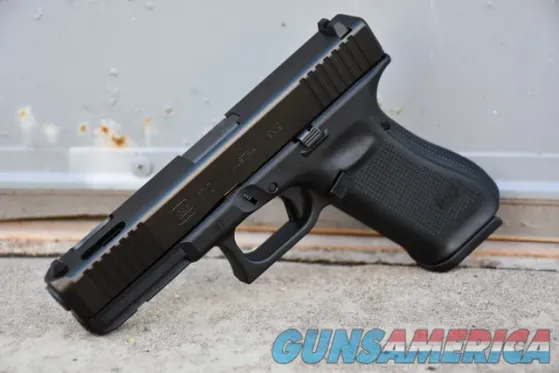
You inherited a gun collection, now what?
Across the United States, millions of firearms are expected to change hands through inheritance and estate transfers over the coming decade as older generations pass collections on to family members. In many cases, heirs discover firearms in safes, closets, cabinets, or estate storage without knowing:
- what the firearms are worth
- whether they are collectible
- how to legally transfer or sell them
- where to find buyers
- how to stay compliant with state and federal laws
The good news is that selling inherited firearms legally and safely is easier than many people realize.
Table of contents
- You inherited a gun collection, now what?
- What Do You Do If You Inherit a Gun Collection?
- Step 1: Determine What You Have
- Step 2: Find Out What Your Firearms May Be Worth
- Step 3: Understand Firearm Transfer Laws
- Step 4: Decide Whether To Sell Locally or Nationwide
- Step 5: Listing a Firearm Is Easier Than Most People Expect
- Step 6: Prioritize Safety and Secure Transactions
- Common Questions About Inherited Firearms

What Do You Do If You Inherit a Gun Collection?
GunsAmerica helps firearm owners, collectors, and families connect with buyers nationwide while providing tools to help determine firearm values and simplify the selling process.
Step 1: Determine What You Have
Before selling or transferring inherited firearms, take time to identify the collection.
Important information includes:
- Manufacturer
- Model
- Caliber or gauge
- Serial number
- Condition
- Accessories, optics, or original boxes
- Historical or military markings
Older firearms, discontinued models, military surplus firearms, revolvers, lever-action rifles, collectible shotguns, and limited-production firearms may carry significant collector value.
In many cases, families are surprised to learn that firearms sitting unused for years may be worth hundreds or even thousands of dollars.
Take clear photos of:
- both sides of the firearm
- markings
- serial numbers
- optics or accessories
- cases or original packaging
Documentation can help determine value and simplify the selling process.
Step 2: Find Out What Your Firearms May Be Worth
One of the biggest mistakes heirs make is selling firearms without understanding current market value.
Firearm prices can vary significantly based on:
- condition
- rarity
- manufacturer
- age
- collector demand
- included accessories
- local and national market demand
Some older firearms that originally sold for a few hundred dollars decades ago may now command premium prices among collectors.
Before accepting an offer or surrendering firearms, use valuation resources to understand current pricing trends.
GunsAmerica’s firearm valuation tool, What is my Gun Worth https://gunsamerica.com/my-gun-worth accesses nationwide marketplace pricing to help owners better understand what their firearms may be worth in today’s market.
Common firearms that may carry collector value include:
- Older Colt revolvers
- Military surplus rifles
- Winchester lever-action rifles
- Browning shotguns
- Smith & Wesson revolvers
- Pre-ban firearms
- Limited-production pistols
- Historic or commemorative firearms
Even modern firearms may have significant value depending on condition and demand.
Step 3: Understand Firearm Transfer Laws
Federal, state, and local firearm laws vary throughout the United States.
In some states:
- private sales are allowed
- firearm transfers must go through licensed dealers
- waiting periods may apply
- inherited firearms may have unique legal requirements
If firearms are being transferred across state lines, federal law generally requires shipment to a licensed Federal Firearms License (FFL) dealer.
Because laws vary, families should:
- research local regulations
- work with qualified firearm dealers
- consult legal professionals when necessary
GunsAmerica works with licensed firearm dealers nationwide to help facilitate compliant transfers between buyers and sellers. Use the FFL finder https://gunsamerica.com/ffl for a list of federal firearms dealer near you.
Step 4: Decide Whether To Sell Locally or Nationwide
Many inherited firearms are sold locally through pawn shops, estate sales, or local dealers.
While local sales may be convenient, nationwide marketplaces often provide:
- more buyers
- better pricing
- collector demand
- broader exposure for rare firearms
Selling online also allows owners to compare pricing across thousands of listings instead of relying on a single local offer.
GunsAmerica connects sellers with firearm buyers throughout the United States while helping simplify the listing process.
Step 5: Listing a Firearm Is Easier Than Most People Expect
Many first-time sellers assume selling firearms online is complicated.
Modern tools now make the process much simpler.
By using GunsAmerica listing tool https://gunsamerica.com/sell-guns, sellers can:
- create listings quickly
- upload photos from a phone
- compare pricing
- connect with buyers nationwide
- manage inquiries from a seller dashboard
For many firearms, GunsAmerica can help identify specifications automatically, reducing the amount of information sellers need to enter manually.
Step 6: Prioritize Safety and Secure Transactions
When selling inherited firearms, safety and compliance matter.
GunsAmerica offers tools and services designed to help create safer transactions, including:
- licensed dealer transfers
- fraud prevention tools
- secure payment options
- local selling opportunities
- nationwide buyer verification processes
Many sellers also choose to work with local FFL dealers to help package and ship firearms legally and safely.
Common Questions About Inherited Firearms
Can I legally inherit firearms?
In most states, firearms can legally pass through inheritance, though laws vary depending on location and firearm type.
Do inherited firearms need to be registered?
Some states have registration requirements while others do not. Always check local laws.
Can I sell inherited firearms online?
Yes. Firearms can often be sold online through compliant marketplaces and transferred through licensed dealers where required.
What if I know nothing about guns?
Many heirs are first-time firearm owners. Online resources, licensed dealers, and valuation tools can help identify firearms and determine value.
Are older firearms valuable?
Some are. Collector demand for older revolvers, military firearms, lever-action rifles, and discontinued models can be substantial.
Before You Sell, Know What You Have
For many families, inherited firearms represent:
- financial value
- family history
- collectibles
- sporting traditions
- historical artifacts
Before making a decision, take time to understand what is in the collection and what options are available.
To learn more, browse current marketplace listings or explore firearm valuation resources at GunsAmerica.com.
*** Buy and Sell on GunsAmerica! ***