

Estimated reading time: 7 minutes
This smoked bear ham recipe turns a rough-looking hunk of wild game into a rich, smoky, ready-for-anything ham. Brine it, tie it, smoke it safely, and you will have meat for sandwiches, soup, salads, scrambled eggs, and a whole lot more.
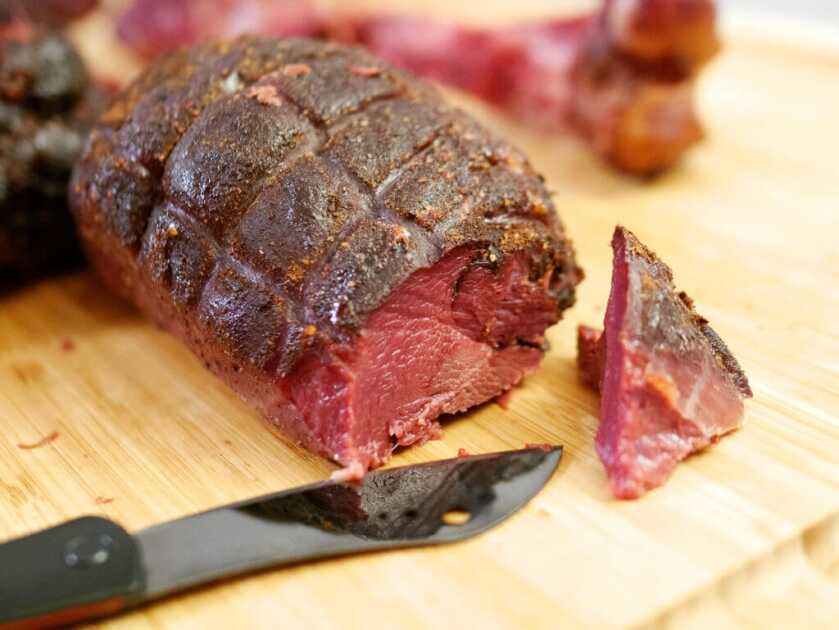
Table of contents
Smoked Bear Ham Starts Ugly, Then Gets Delicious
This smoked bear ham was my first attempt at making a wild game ham, and it was a whole lot easier than I expected. The meat turned out well, and now I’ve got a lot that’s ready to use in other meals, like soup. We’ll start by brining a big piece of meat for several days, then smoke it for several hours.
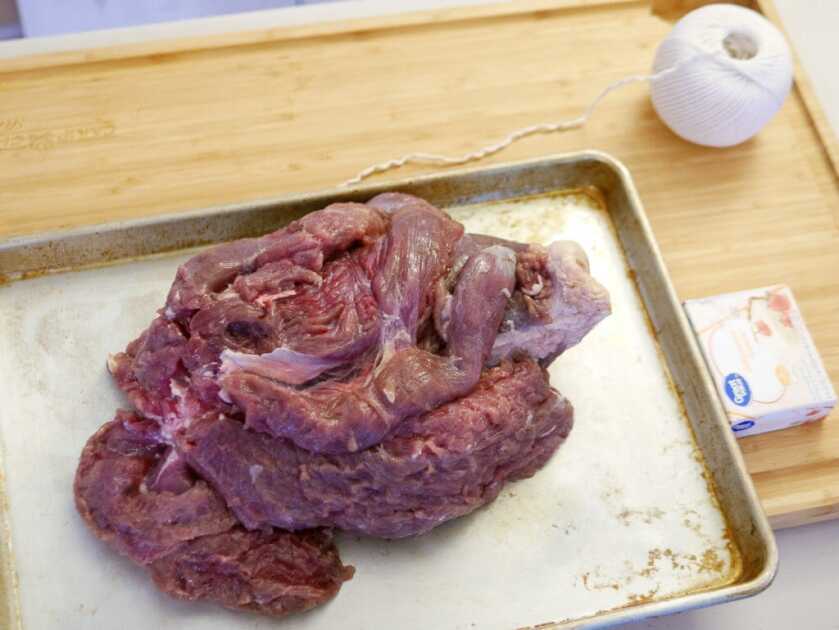
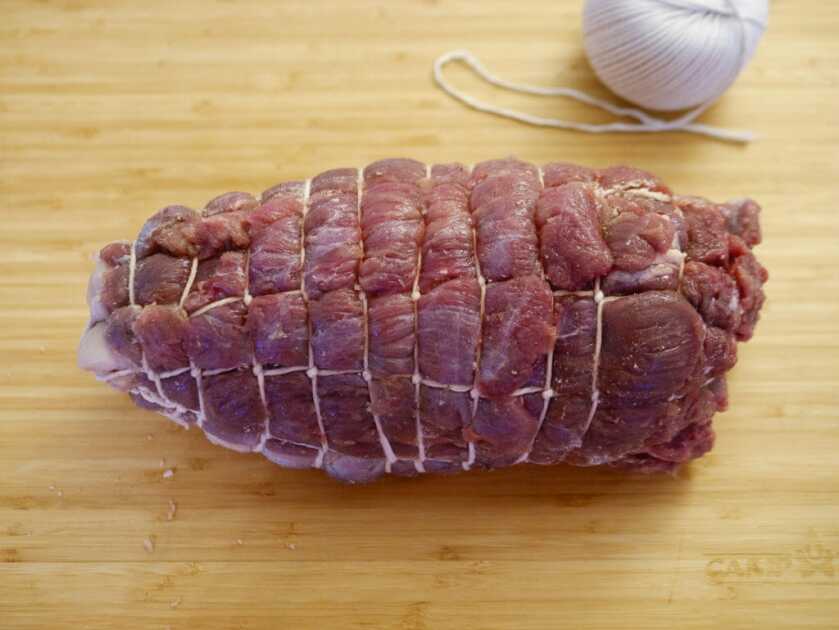
I used an entire upper rear leg from my Spring bear. All the meat on the femur. Removing the shin and extra fat on the top left a hunk of meat that’s kind of a mess. But after brining, I tied the meat up, trussed it like a roast, and this made all the difference.
I’d like to explain how to tie the meat, but this video doesa much better job. All you’ll need is some butcher’s twine.
Using a packet of unflavored gelatin is a useful tool, too. It absorbs a lot of the surface moisture and makes the meat easier to tie. It also fills in the little spaces between muscles and makes the meat a little more cohesive. It’s not essential, but it is a good idea.
What You Need for Smoked Bear Ham That Actually Works
Wild Game Ham Brine:
- A big roast or whole back leg of any game animal
- 2 gallons of water
- 4 cups brown sugar
- 2 cups Salt or Tender Quick
- 1/4 cup cinnamon
- 2 tablespoons nutmeg
- Optional: 2 tablespoons pink salt
- Recommended: syringe for injecting the brine
Smoking the Bear Ham:
- Unflavored gelatin (a small box is enough)
- Butcher’s twine (I found it at Sportsman’s Warehouse)
- Black pepper
- Cinnamon
- Brown sugar (optional)
- Smoker/pellet grill
How to Brine, Tie, and Smoke Bear Ham Without Wrecking It
Dissolve all the sugar, salt, cinnamon, and nutmeg in the water. You’ll probably need to use hot water, so make sure to cool it back to room temperature before adding the meat to the brine so it doesn’t cook the meat. Pour the brine into a non-reactive container (not metal because it’ll react with the salt), maybe a tub or small bucket that’s clean. Add the meat and keep it in the fridge for at least three days, and five days if you can.
While the meat is in the fridge, mix it up and turn it over each day and use a syringe to inject the brine deeper into the thick muscles. If you don’t, then the center of the thick muscles will turn out brown or gray instead of pink. It tastes ok, but it sure looks better if you can inject it.
After at least three days, remove the meat from the brine. Pat it dry with paper towels so it cooks evenly and it’s also much easier to tie if it’s dry.
Watch this video and then tie your roast. If yours is like mine, it’s a mass of meat and tying will give it form and make it look like a ham.
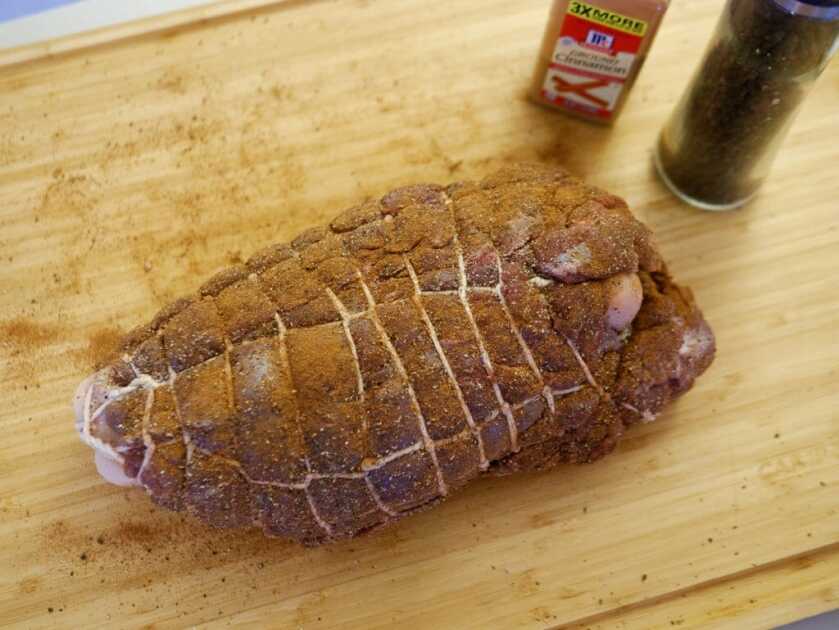
Cover the ham completely in black pepper and cinnamon. Brown sugar is a good addition here.
Smoke Predator and Hog Meat Safely, No Shortcuts
Begin smoking the meat at a lower temperature and then turn up the heat to finish it off. If you’re cooking bear, mountain lion, wolf, coyote, or wild hog, use a meat thermometer to ensure the interior heat reaches 165 degrees Fahrenheit. These animals likely carry trichinosis and the proper temperature must be reached throughout the meat to make sure you don’t get sick.
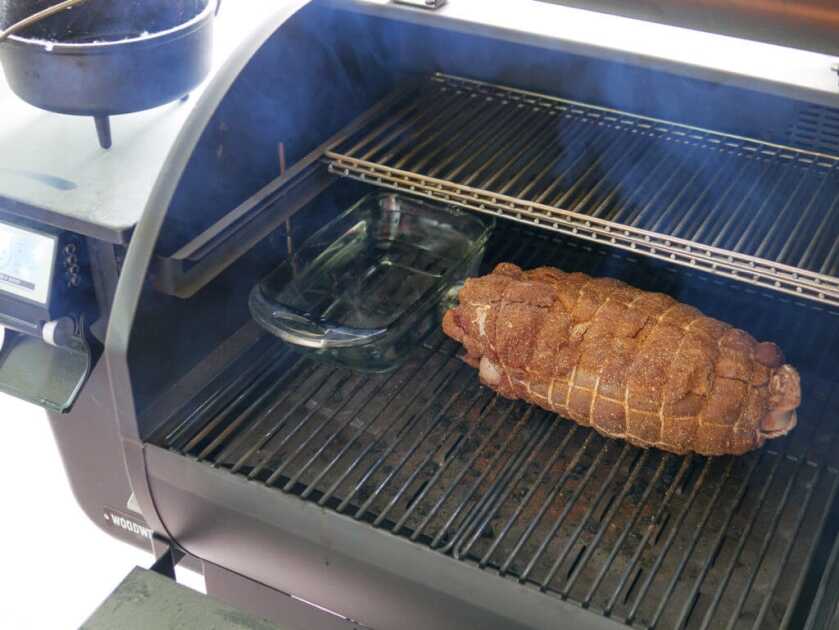
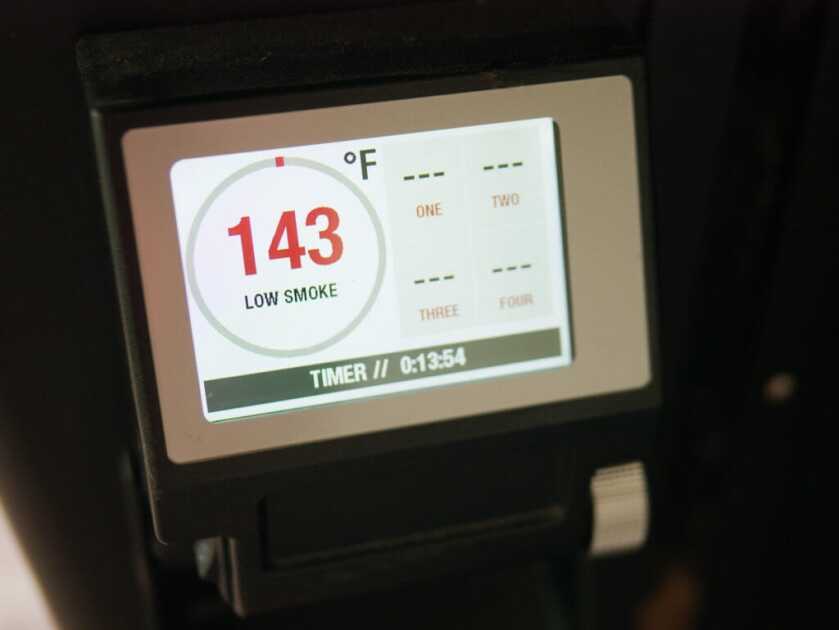
Heat the smoker to about 180 degrees. Smoke the meat for at least 2 hours, depending on the size of your ham. For the big bear leg I did, I did it for four hours.
Turn the heat up to about 225, but not more than 250, until the meat reaches 165 degrees inside. Be careful to check the temperature at several points in the thickest places.
Cut the Smoked Bear Ham Off the Bone and Save the Bark
Now cut away the string and remove the meat from the bone. Cut down to the bone and then peel it away with a knife.
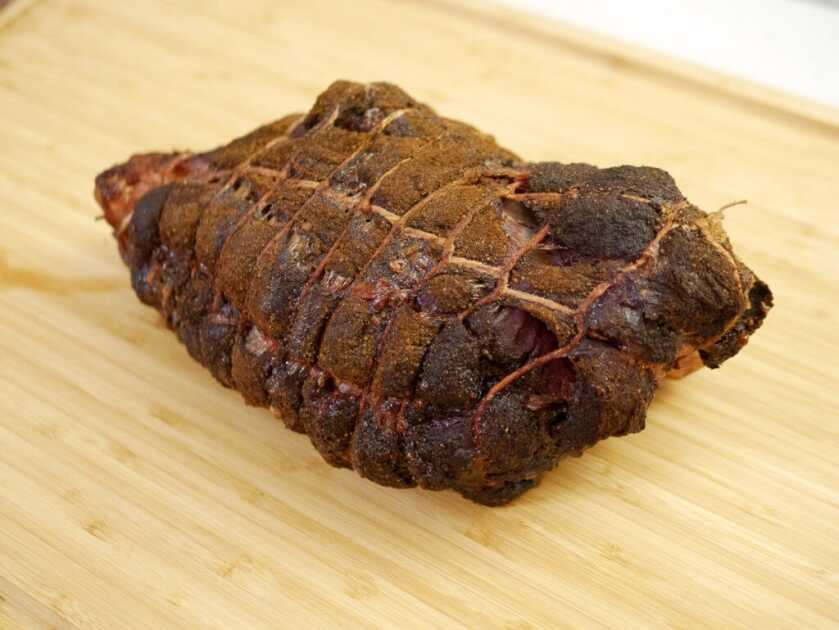
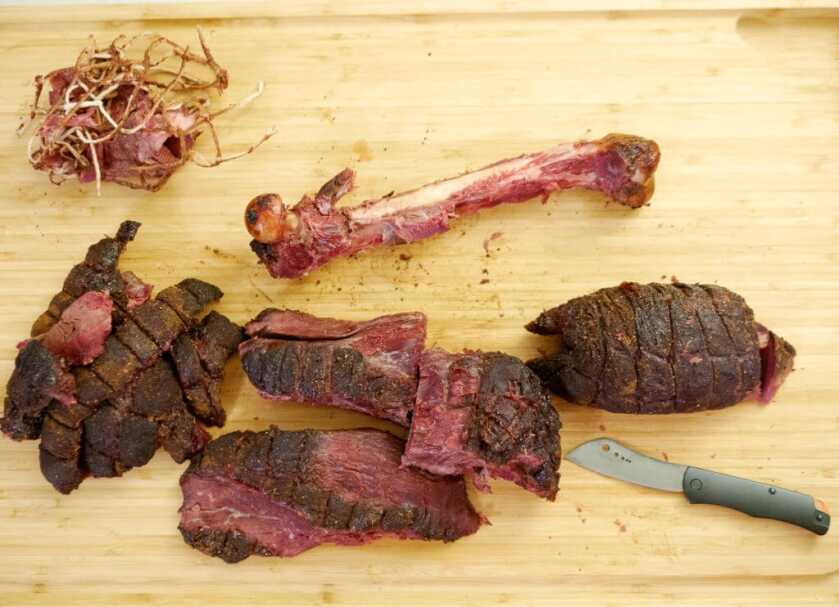
I found that the best meat in the ham was the same as when I don’t do a ham. The eye of round was the most tender, but all of it was tasty. I pulled away the outer ‘bark’ and I’ll use it in soups and salads and scrambled eggs.
All this meat can be served hot or chilled. If you have a food slicer, it’ll make terrific sandwich meat. Smoking bear ham is a good way to turn a lot of wild game meat into something ready for sandwiches, soup, salads, scrambled eggs, and whatever else shows up hungry.
Related Reads from GunsAmerica Digest
- More Hunting Stories from GunsAmerica Digest
- Wild Game Recipes from GunsAmerica Digest
- Outdoor Cooking and Field-to-Table Tips

Levi is an avid hunter, and an increasingly avid shooter. He strives to make delicious and simple recipes from the game he kills. He makes a living as a professional photographer and writer. Check out his work.
I have heard of beininf a turkey but never heard of a ham or any cut of beef. What is the.point of Brining? What does it do?