
Estimated reading time: 13 minutes
Military evolution typically advances by fits and starts. One side develops some superweapon, and the other counters it. With the prospect of violent gory death as the impetus, weapon designers burn the midnight oil developing the latest and greatest death-dealing super-machines. At one point in history, that was the English longbow. Some while later it became the hydrogen bomb. In the annals of military innovation, few inventions have had a more stark effect on modern combat than the tank.
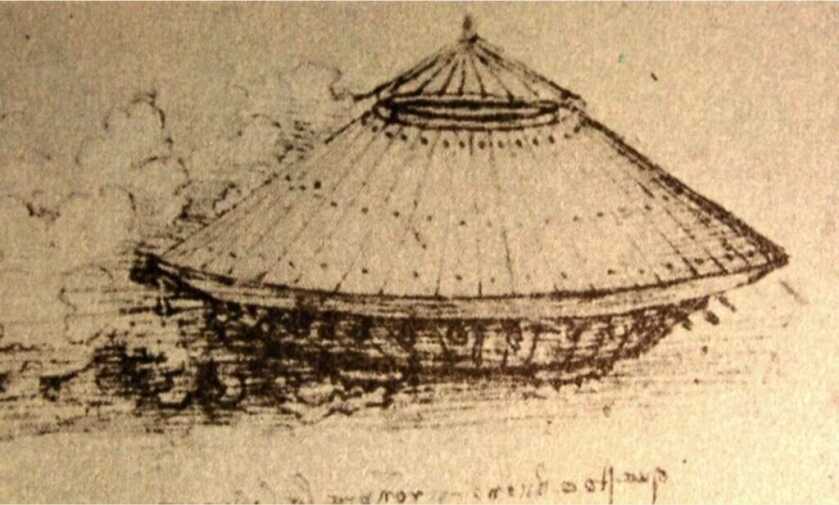
Table of contents
The esteemed Italian polymath Leonardo Da Vinci foresaw the modern main battle tank in 1487. Inspired by nature’s turtle, Leo’s design featured such advanced concepts as sloped armor, a geared drivetrain, and 32 separate cannons for armament. While the idea was prescient, the details were not doable for the time. However, during World War 1, the British invented a proper tank that performed as advertised.
Find a Need and Fill It
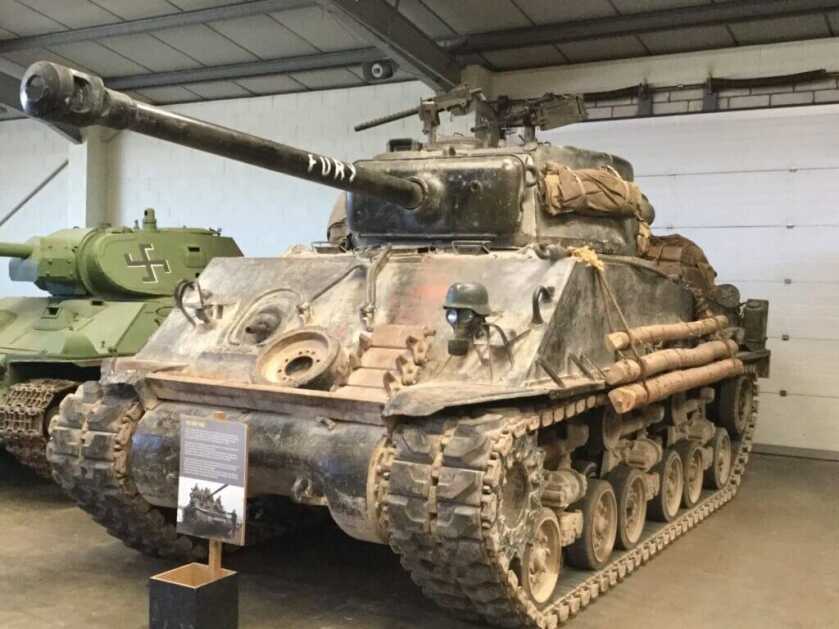
The modern tank was a reactionary design contrived in response to the trench warfare that characterized that ghastly conflict. By wrapping troops inside an effective mobile armored shell, commanders hoped to restore mobility to an otherwise hopelessly static fight. The British Mark I heavy tank, though glacially slow, scratched that itch.
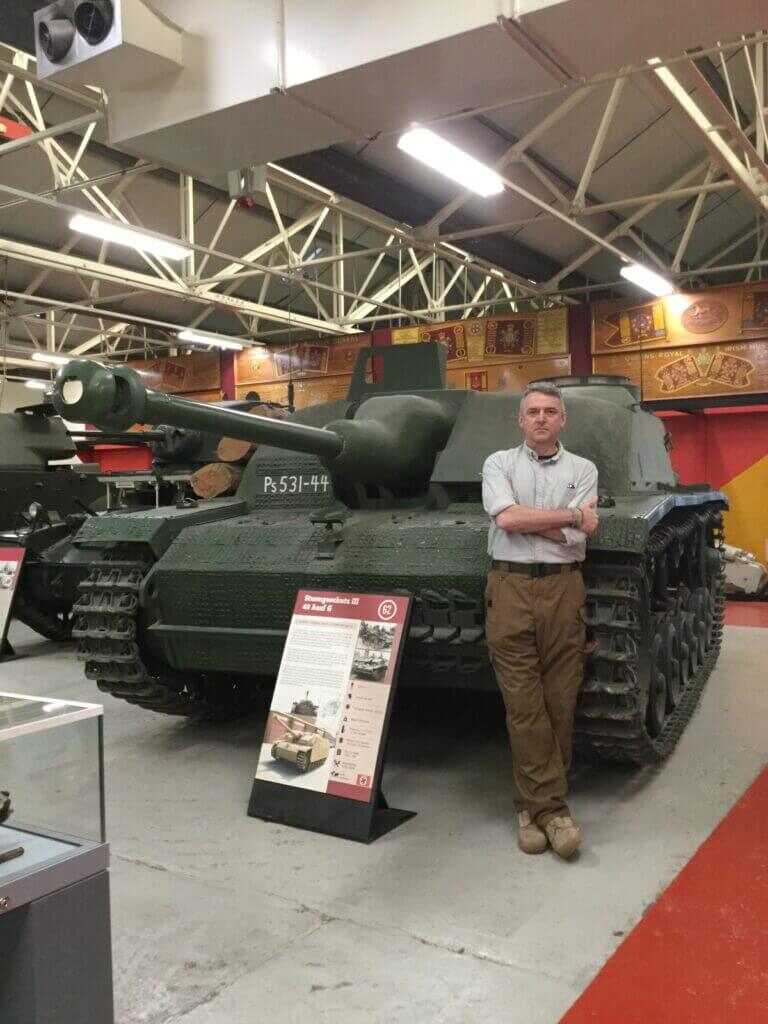
The military mind is, historically speaking, a fairly blunt instrument. One of the challenges associated with employing these radical new weapons was to see who should own them. Most militaries relegated those early tanks to their cavalry. During WW2, the Germans, bless their hearts, trained dedicated panzer troops for their turreted vehicles. However, assault guns like the Sturmgeschutz and Jagdpanther were manned by artillerymen.
The traditional tank’s two prime raisons d’etre were to support the infantry and to kill other tanks. By encasing soldiers within these hulking armored boxes, commanders could convince troops to putter across no man’s land to take the fight to the enemy. However, tactics lagged behind technology.
Armored Pioneers
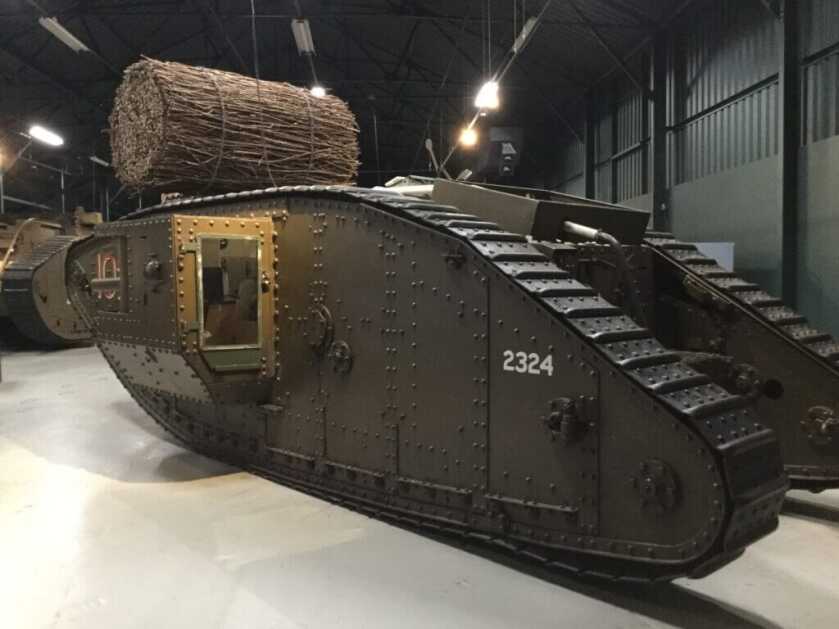
The Allies’ earliest effective tanks were clumsy, clunky, noisy, and miserable. They also embodied a curious nautical flare. The British only produced 150 Mk I tanks. Half were designated male and armed with cannons. The other half were female, equipped solely with machine guns. Each vehicle had a crew of eight. They were developed by an organization called the Landship Committee. The prototype was christened, “His Majesty’s Landship Centipede.”
Technology advanced apace from there. By 1944, tanks were fully integrated into combined arms warfare. Dozens of models of all shapes and sizes fought on both sides of the line. However, there yet remained just a smidgeon of that naval flavor in the massed employment of main battle tanks.
The Threat for Gorman
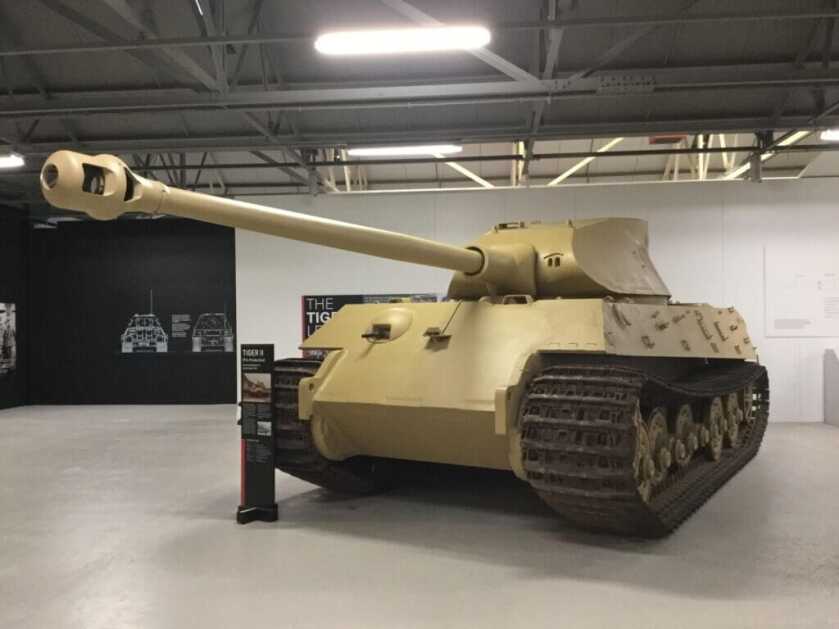
Operation Goodwood was the planned British breakout from Normandy in 1944. The objective was Caen. Hitler knew that once the Allies got loose from the Norman stranglehold they would run amok. As a result, he threw everything he could spare into stopping them. That included his latest, greatest massive heavy tank, the Konigstiger or Tiger II.
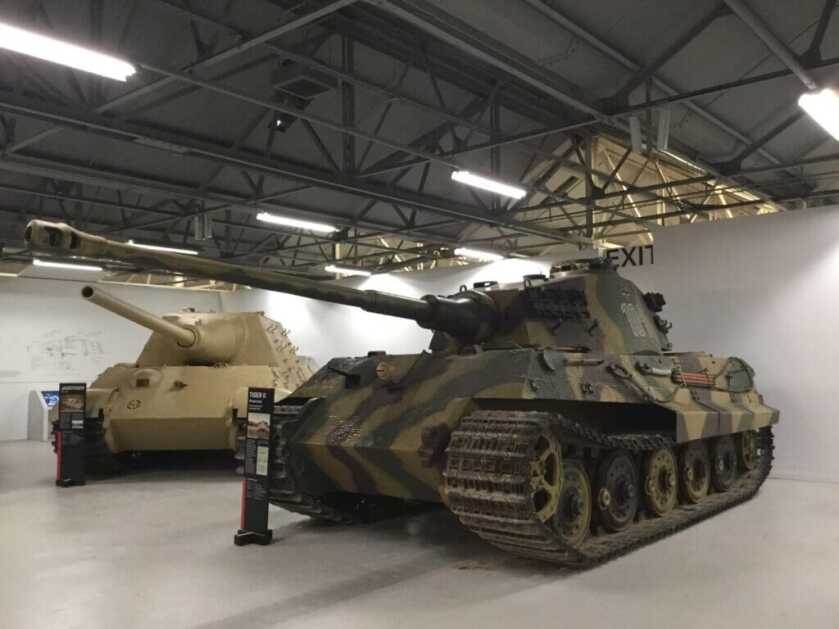
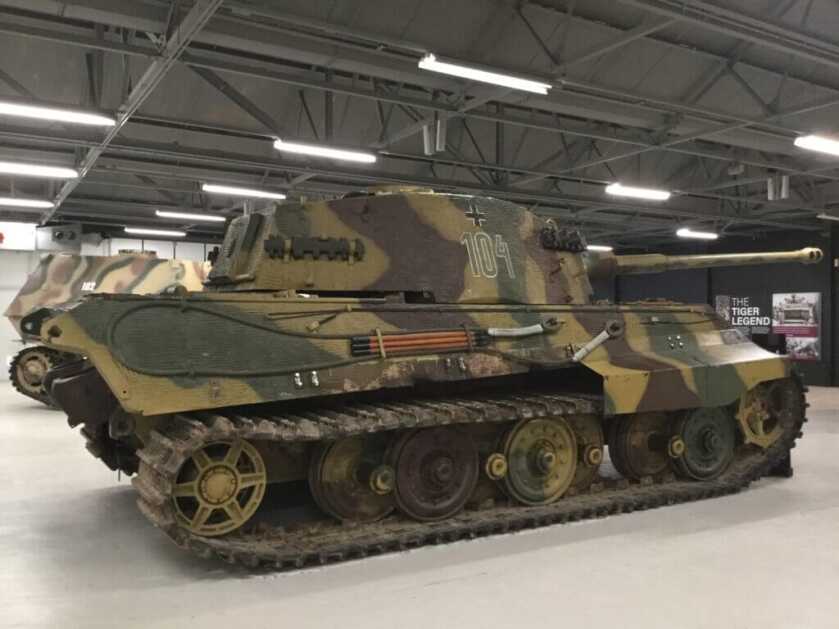
The Panzerkampfwagen Tiger Ausf. B was also known as the King Tiger or Bengal Tiger. It was a horrifying beast. It tipped the scales at a whopping 69.8 tons and featured an enormous 88mm KwK 43 gun. This high-velocity weapon was effective against almost anything the Allies fielded out to a range of around 1.6 miles. By comparison, the Allied Sherman medium tanks were lyrically outclassed.
The Fight
On 18 July 1944, an officer in the Irish Guards named LT John Gorman commanded a section of three M4 Shermans out looking for trouble as part of Operation Goodwood. Gorman’s tank became bogged down in a creek and had to be abandoned. Gorman, therefore, mounted one of the other tracks and continued the mission with his two remaining vehicles.
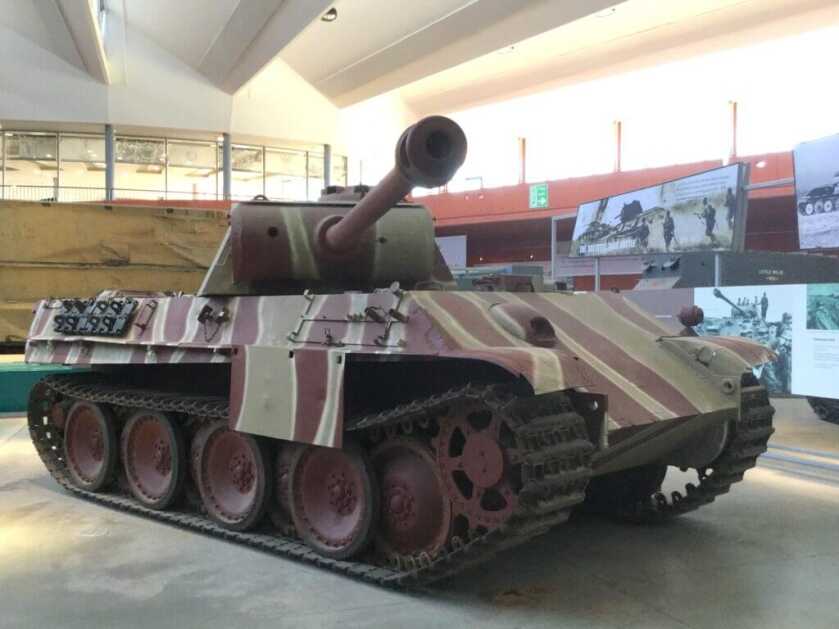
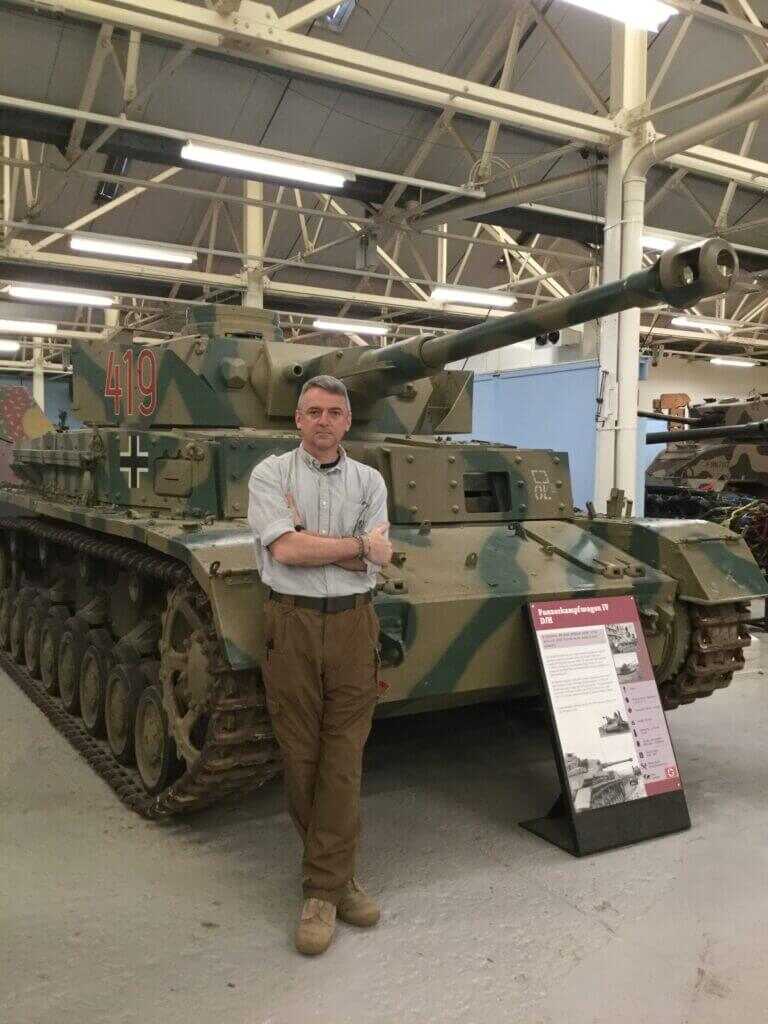
Gorman’s two-tank section crested a hill overlooking a field containing four enemy armored vehicles. Curiously, this German scratch unit consisted of a massive Konigstiger, an earlier Tiger I, a Mk V Panther, and an older Mk IV with a 75mm gun. Any one of these German tanks could make quick work of his own Sherman. Gorman had a big decision to make.
A mere 900 feet separated Gorman’s Sherman from the 70-ton German beast. The panzer crews spotted the two Allied tanks and began to slew their turrets to engage. With every gun on his Sherman barking fire, Gorman ordered his driver to charge the big German cat. Hopelessly outgunned, he intended to ram the monster.
Method to the Madness
There was a certain maniacal wisdom to LT Gorman’s plan. If he could get in close to the nearest German tank, he could potentially negate the other vehicles’ capacity to engage him. Additionally, if he could get his tank close enough to the King Tiger before they could slew that gigantic barrel around he could perhaps get his blows in before getting pulverized himself. That and he hadn’t had time to think things through.
LT Gorman’s tank was named Ballyragget. That’s an Irish term that means “Mouth of Ragget’s Ford.” Ballyragget was about to give its all for the cause.
Physics
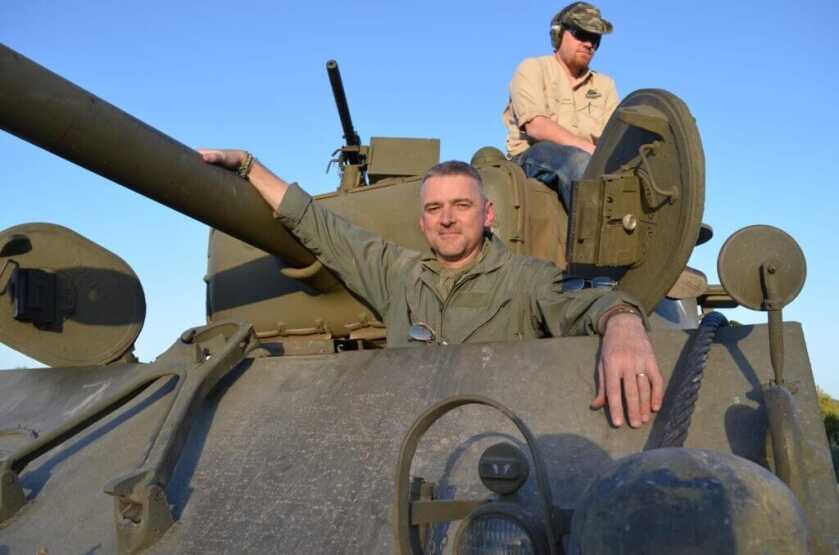
It has been my enormous privilege to drive and shoot a vintage restored Sherman tank. I likened the experience to driving a condominium. Despite being markedly smaller than the big Tiger it was facing, the typical Sherman still weighed 80,000 pounds. Ballyragget’s driver accelerated to maximum speed using the down-sloped terrain to help accumulate momentum. In this configuration, the screaming Sherman slammed headlong into the rear of the German Tiger tank.
Visibility in those vintage armored vehicles was lousy. The impact wrecked Gorman’s M4, but it also delivered a mighty wallop to the hulking Tiger. The German crew mistook the shock for a catastrophic hit and bailed out. Don’t judge. These things brewed up quickly. Nobody felt particularly inclined to burn to death.
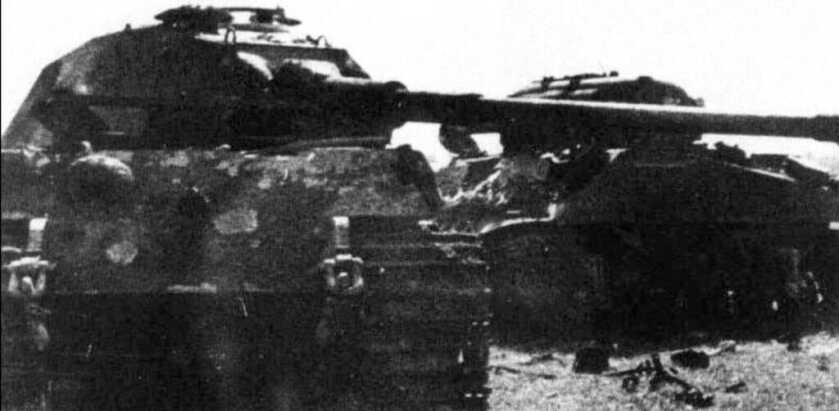
LT Gorman had indeed neutralized the greatest threat on the battlefield, but that still left the other three German panzers fully intact. They all turned their attention to Gorman’s second Sherman, an M4 commanded by SGT Harbinson, and blew it to pieces. Three of the Sherman’s five crewmen were killed outright.
The Fog of War
LT Gorman used the chaos as cover to evacuate Ballyragget with his crew and escape the field. Curiously, Gorman and his men leaped into a ditch right alongside the crew of the demised German Tiger. Gorman threw up a smart salute, the Germans glared back, and the opposing troops peaceably went their separate ways.
After ensuring the wounded survivors from Harbinson’s tank were safe in a nearby cornfield, Gorman ran to the rear looking for help. He found a disabled British Firefly. Though the Firefly’s crew was combat-ineffective, the vehicle remained relatively intact.
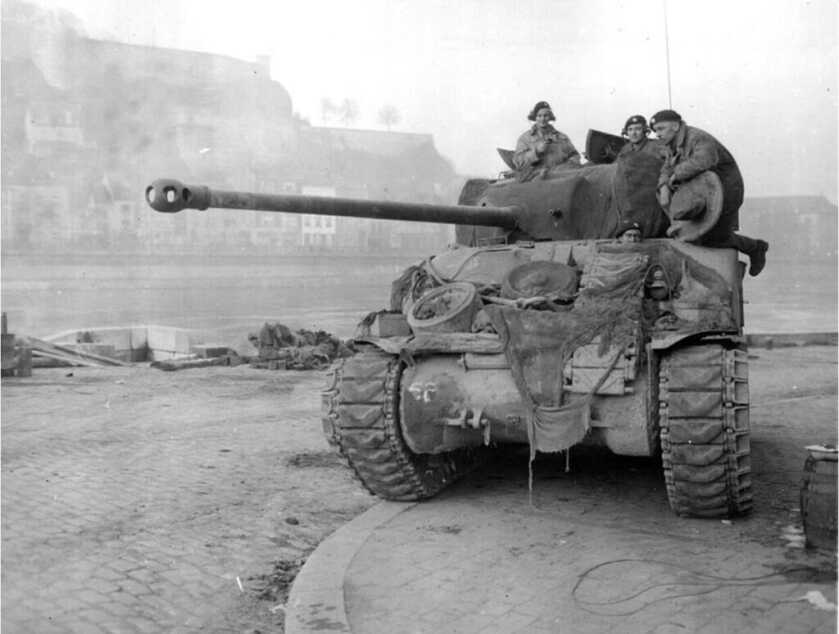
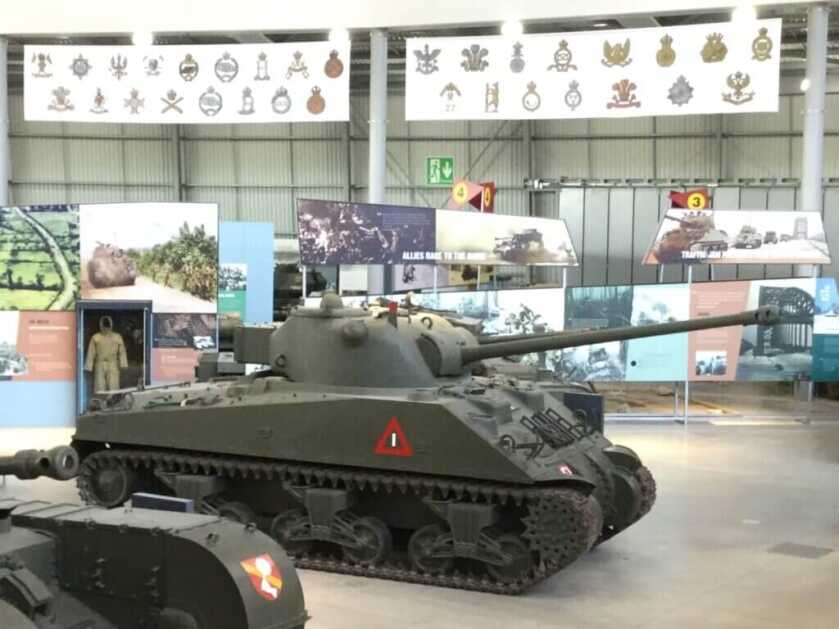
The Firefly was a standard Sherman chassis fitted with a huge long-barreled 17-pounder gun. This British weapon sported a standard 76mm bore, but its generous barrel gave it a markedly higher velocity. The gunner of this particular Firefly had been decapitated in an earlier engagement. His corpse had trapped two of the crew inside the vehicle and rightfully rendered their combat ineffective. LT Gorman got that sorted, crewed the bloody Firefly with his men, and returned to the scene of the recent action.
Gorman Establishes Tactical Priorities
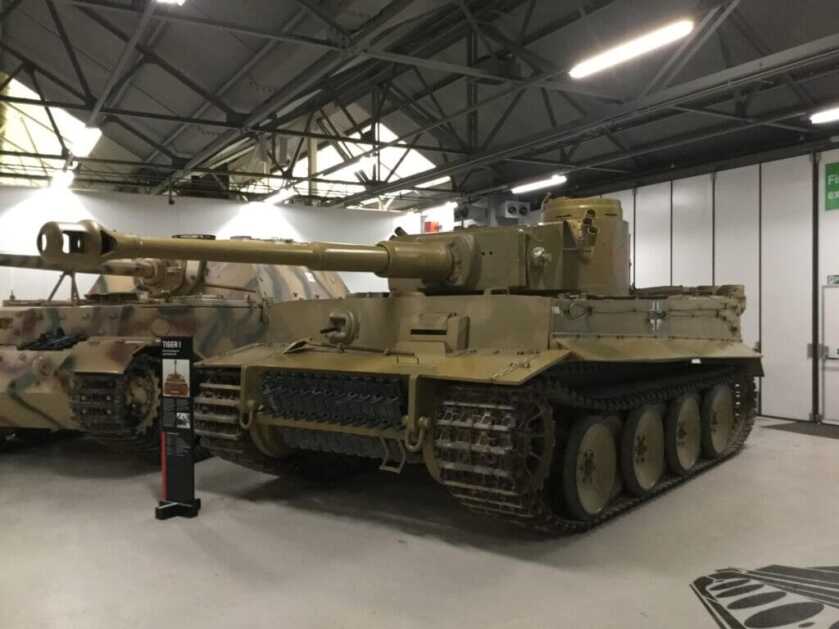
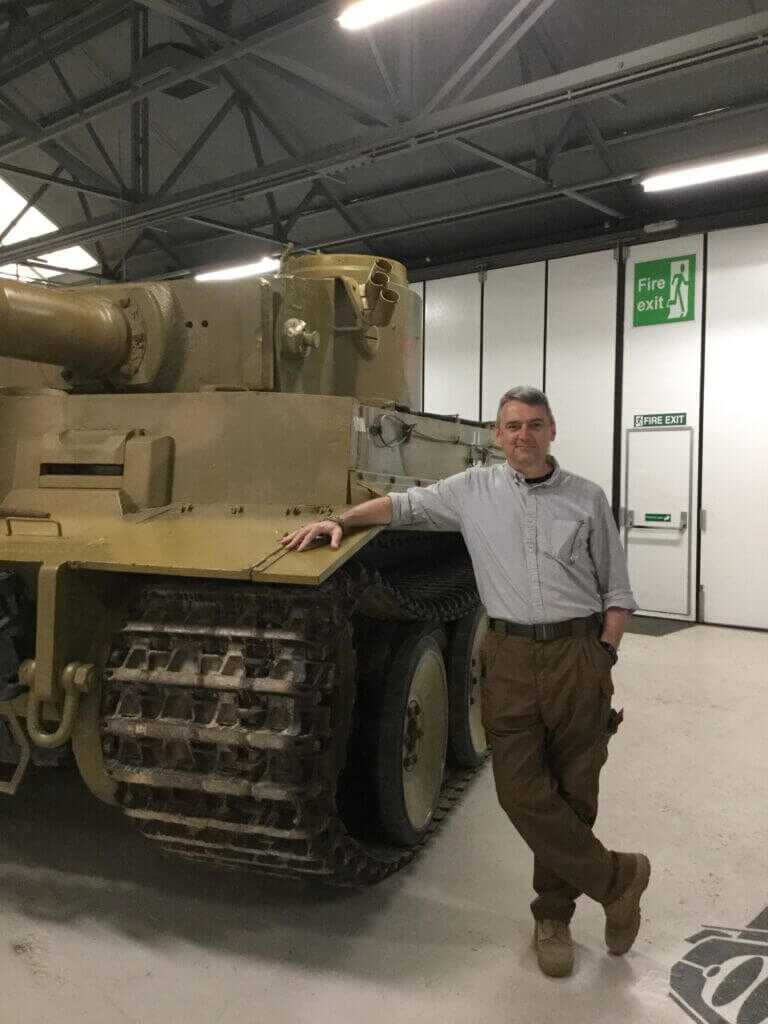
Once he crested the hill, Gorman had his gunner focus on the intact Tiger I. After a couple of frantic rounds, his Firefly connected and disabled the enemy behemoth. He then pumped a couple of shells into the Konigstiger from the rear, setting it afire. By then, however, the Mk IV and the Panther were fully tooled up. Gorman wisely pulled his commandeered Firefly back under cover of terrain.
Realizing he had already pushed his luck, LT Gorman retrieved the injured members of Harbinson’s crew and fell back to regroup. He left two Tigers in the field burning. Considering how outclassed and outnumbered his vehicles had been, LT Gorman had given a superb accounting of himself.
The Rest of the LT Gorman Story
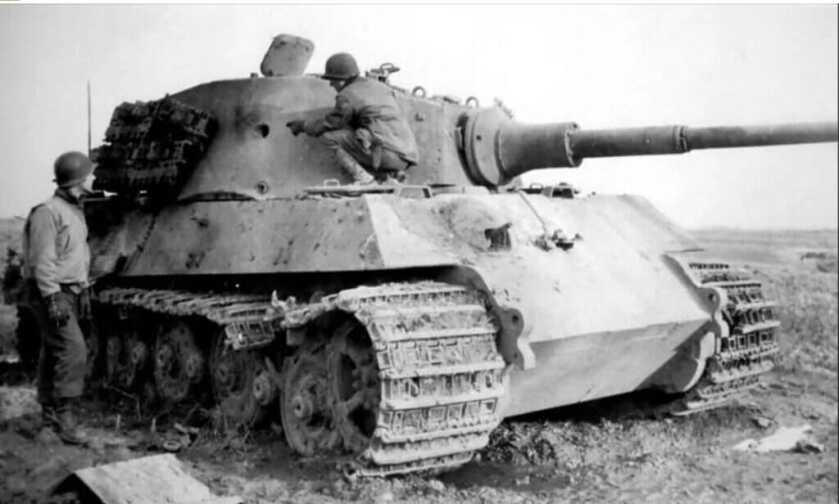
LT Gorman earned the Military Cross for his actions on that chaotic Norman battlefield. The hulk of the King Tiger he brewed up remained in place for years afterward before finally being policed up. After the war, Gorman returned home to Northern Ireland and worked with the Royal Ulster Constabulary (RUC).
READ MORE WILL DABBS STORIES: Lior Raz: Art Imitates Life
Throughout most of the 20th century, Northern Ireland was just a mess. The Irish Republican Army (IRA) prosecuted a bloody insurrection against British troops in the area, while the Brits gave that back with interest. Amidst that gory milieu, John Gorman went to work for the British Secret Intelligence Service.
A Fitting End to a Life Richly Lived

Undercover operations against the IRA represented arguably the most dangerous job on the planet at the height of the Troubles. Discovery generally meant that you would be meticulously dismembered while being simultaneously aggressively grilled for information. For his part, John Gorman survived his time undercover in the field before moving to Canada and taking a job with the British Overseas Airways Corporation.
Gorman left the airline in 1979 and returned home to Northern Ireland to try his hand at politics. He finally retired after the long and esteemed career that earned him a knighthood. John Gorman died in 2014 at the ripe old age of 91, a card-carrying man of action.

Will is still trying to figure out what he really wants to be when he grows up. However, shooting guns and claiming it was work seemed like a pretty sweet hustle. As a result, Will serendipitously transformed an avocation into a vocation.
Raised in the Mississippi Delta, Will flew UH1H, OH58A/C, CH47D and AH1S helicopters operationally as an Army Aviator. He is SCUBA-qualified and has parachuted out of perfectly good airplanes at 3 o’clock in the morning. Will has summited Mount McKinley, Alaska, six times…always at the controls of an Army helicopter, which is the only way sensible folk climb mountains.
Will has delivered sixty babies and occasionally wrung human blood out of his socks. He is married to his high school sweetheart and has three awesome adult children. Turn-ons include vintage German machineguns, flying his sexy-cool RV6A airplane, Count Chocula cereal and the movie “Aliens.”
www.word-monkey.com
Experience:
-Professional Writer-thousands of publishing credits for dozens of titles
-Mechanical Engineer/Practicing Physician
-Instrument-rated Commercial Pilot
-Sunday School Teacher
Great story, as always. Please consider collecting all of your GA columns into a book (hard copy or soft/pdf). I would buy several!
B/R
Great job detailing the events that took place in WWII. Such an interesting period for me. I was stationed in Germany 80-82 so I was able to work alongside German troops. Got to get inside some of their newest and some vintage equipment at a show they were putting on.
Thank you
Where does he get these extremely interesting and entertaining stories? Excellent job as usual Dr. Thank you!
Another Great story by Dr. Dabbs. How cool to get to drive a Sherman.
Great article. So many hidden accounts of the fighting men in World Warr II. Thank you to all our armed services “ALL AND I MEAN ALL OF YOU ARE HEROS FROM THE GENERALS TO THE COOKS”!!!!! My Father is included this Hero’s group as well!!!! At the age of 67 I remain in awe of all of them. EWWWRAHHHHH! See all of you in Valhalla.