
Estimated reading time: 16 minutes
Outnumbered, nearly surrounded, and staring into the muzzle of a German MP40, 1SG Leonard Funk did the only sensible thing. He started laughing, swung his Thompson, and carved his name into Medal of Honor history.
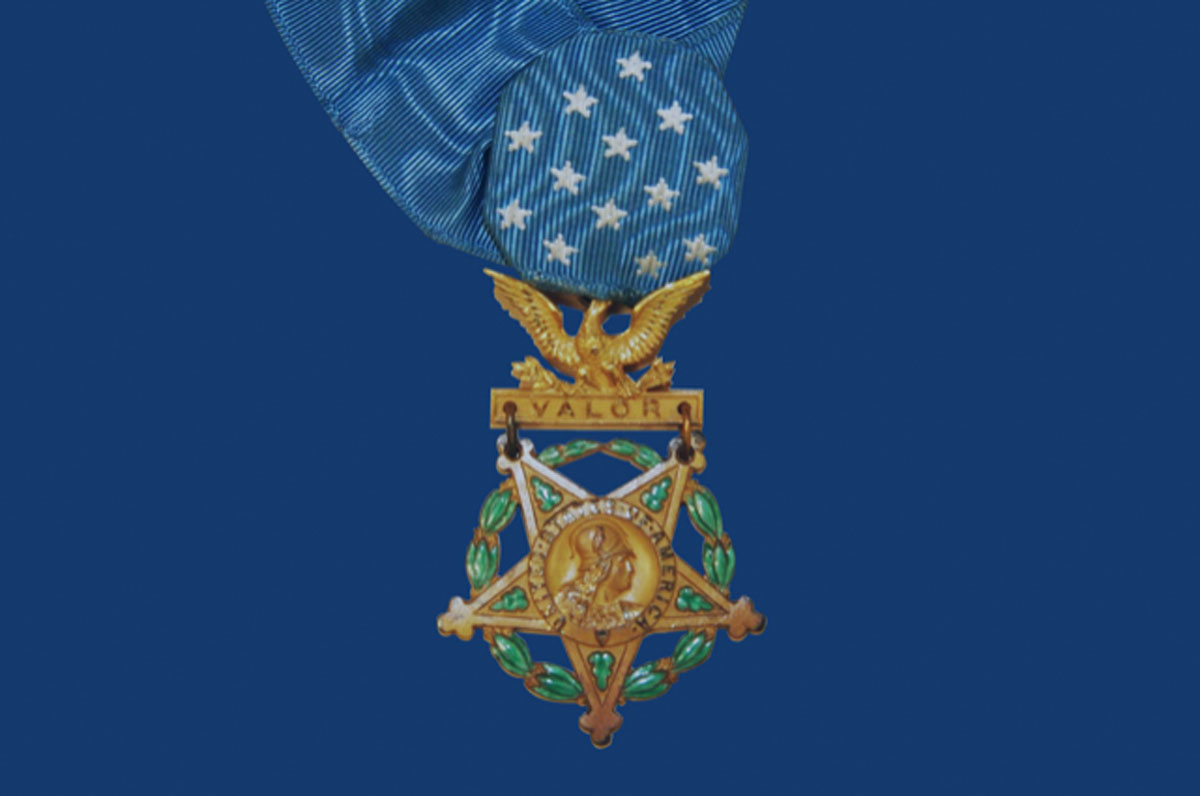
Today we begin a series on Medal of Honor (MOH) recipients, America’s highest award for gallantry in combat. The MOH is a holy thing that is earned only at extreme risk of life in active combat with the enemy. The MOH is the only American military award worn around the neck and is generally presented by the President of the United States in the name of the US Congress.
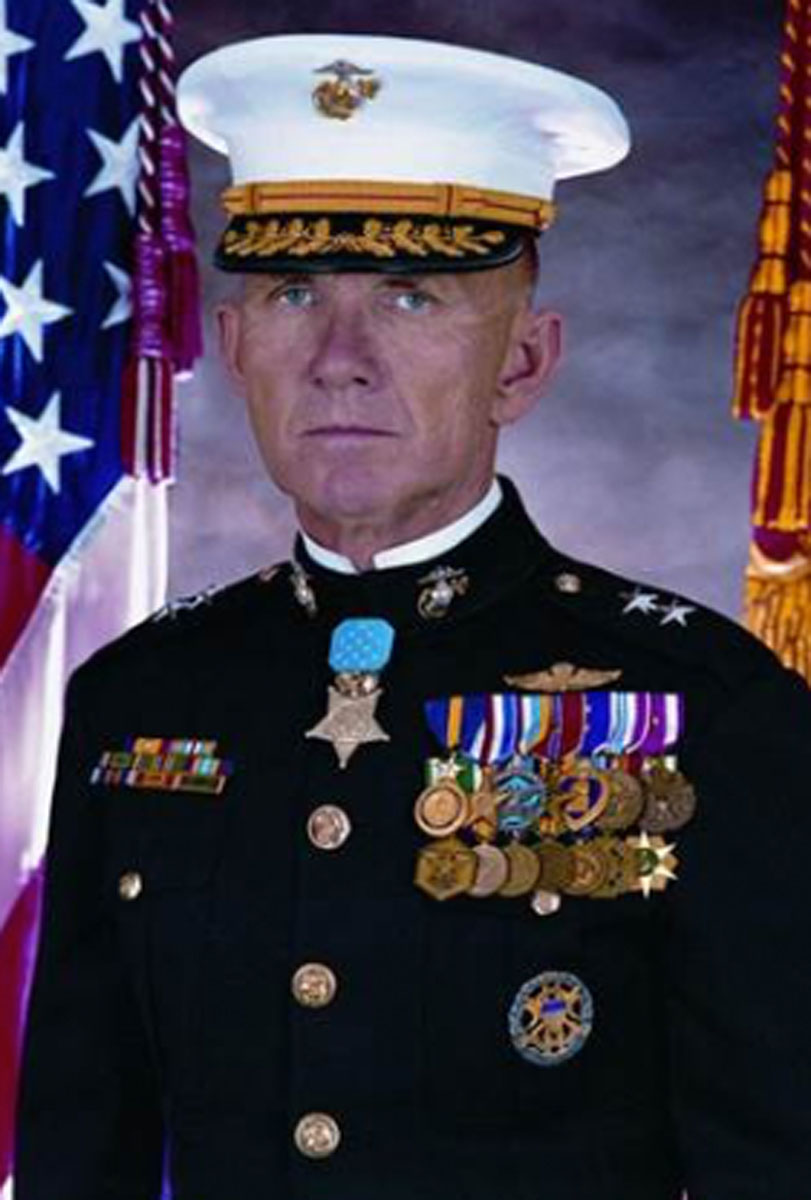
First awarded in 1863, there have been 3,522 of the medals distributed. 623 of these were posthumous. While the standards for the award were lax during the American Civil War, in 1918 an act of Congress made the MOH into the justifiably revered thing it is today.
A Short, Steely-Eyed Paratrooper Who Refused to Break
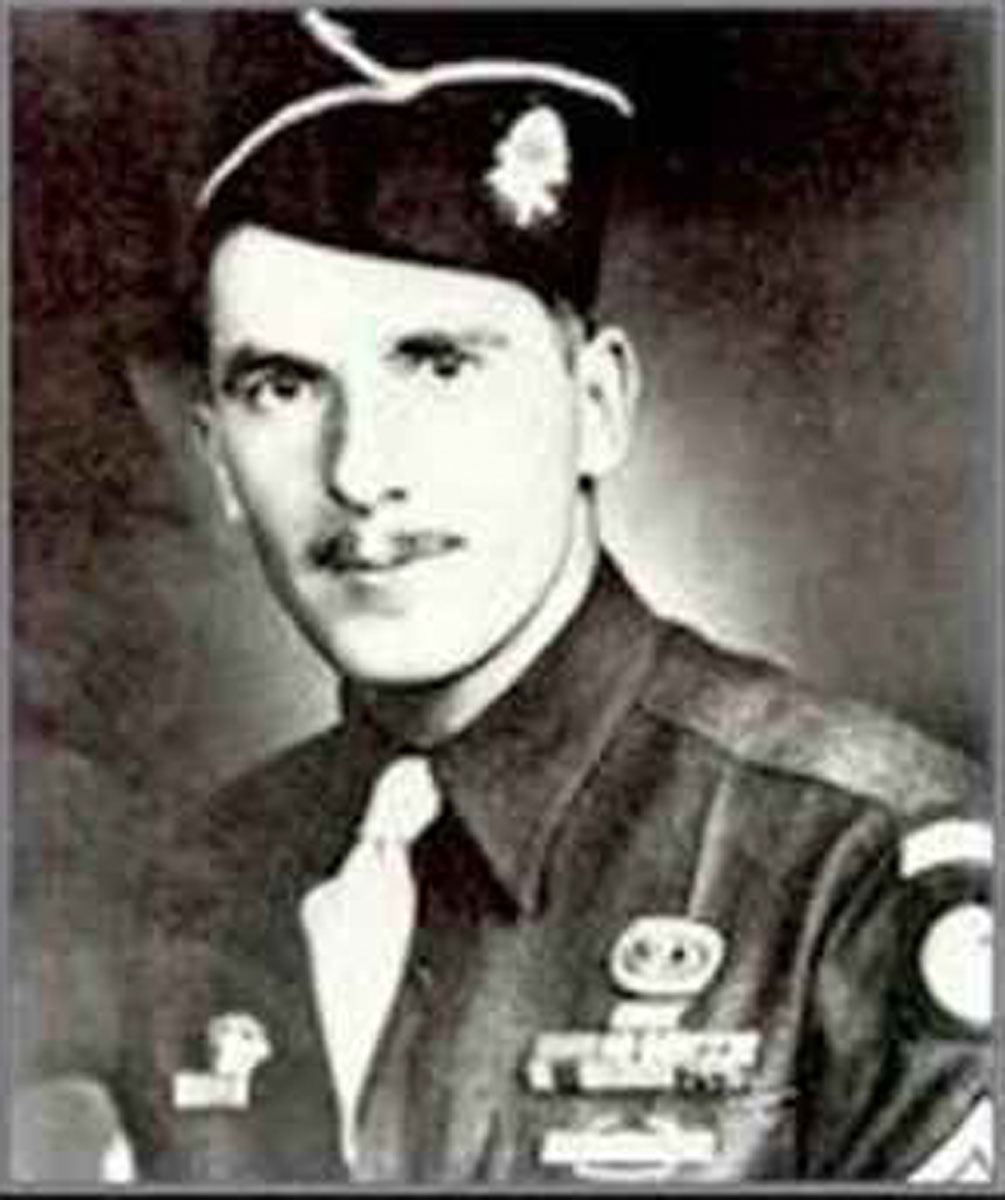
Leonard Alfred Funk was born in 1916 in Braddock Township, Pennsylvania. Spending most of the war serving with the 82d Airborne Division, Funk was the most highly decorated American paratrooper of World War 2.
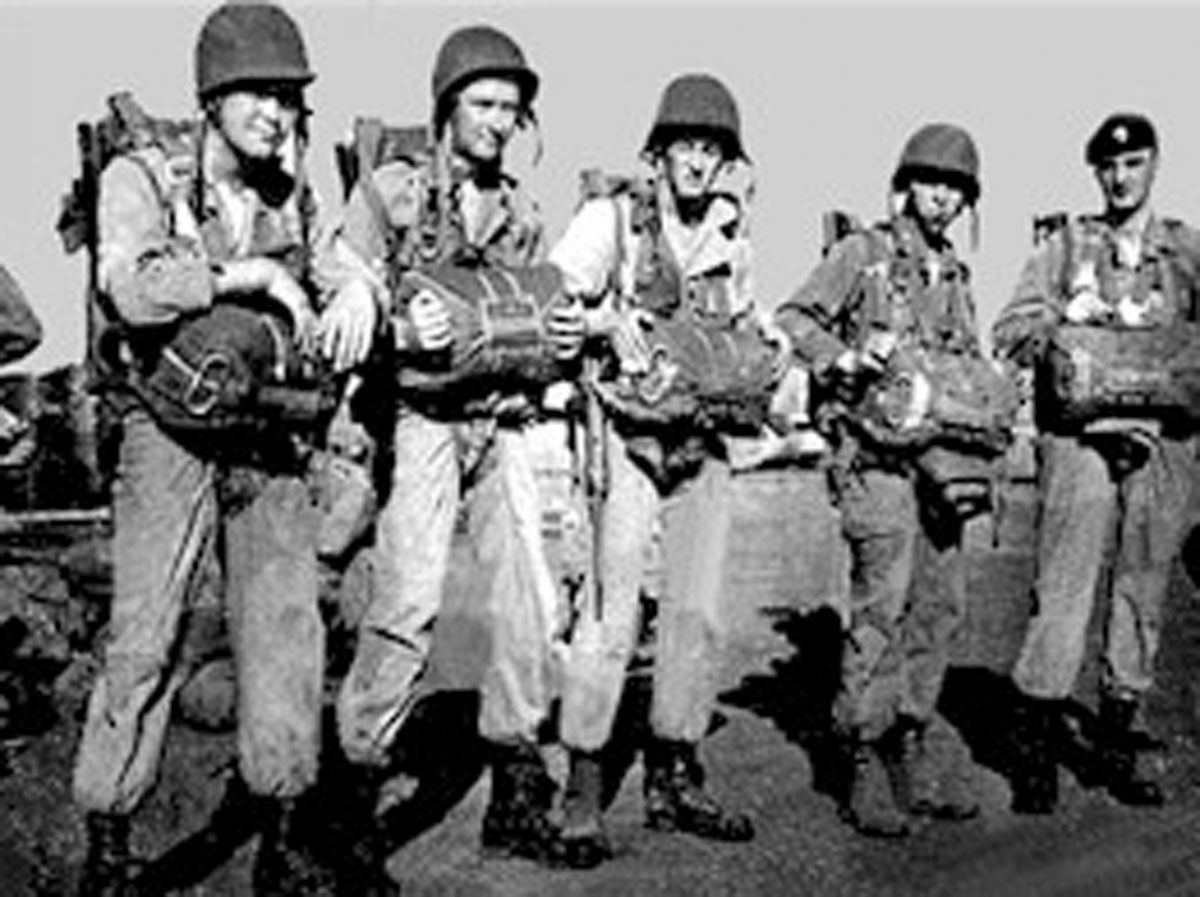
Funk enlisted in June of 1941 and volunteered for airborne training the following year. Jump pay during the war was a cool $50 per month. Given that $50 was also the monthly payment for an enlisted Private, this meant serious money for lean Americans raised during the Great Depression.
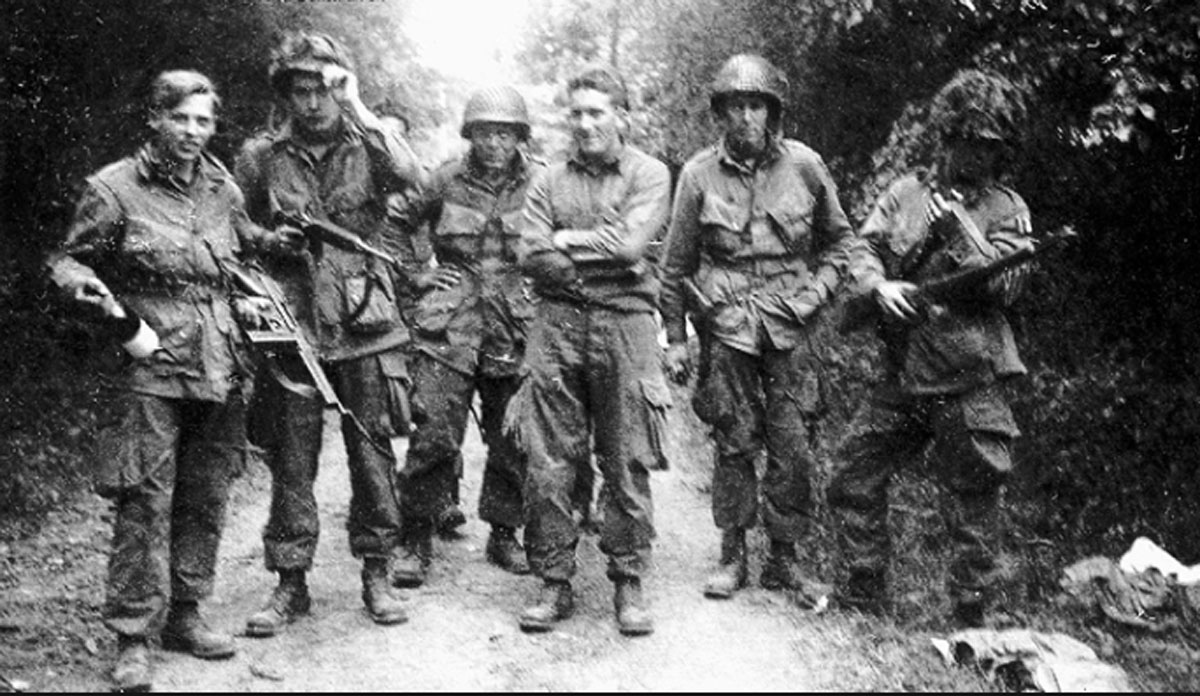
After completing his jump training, Funk was assigned to Company C of the 1st Battalion of the 508th Parachute Infantry Regiment. He spent the entire war with the 508th and was eventually discharged in June of 1945. Standing only five foot six inches tall, Funk was known as “Napoleon” by his mates.
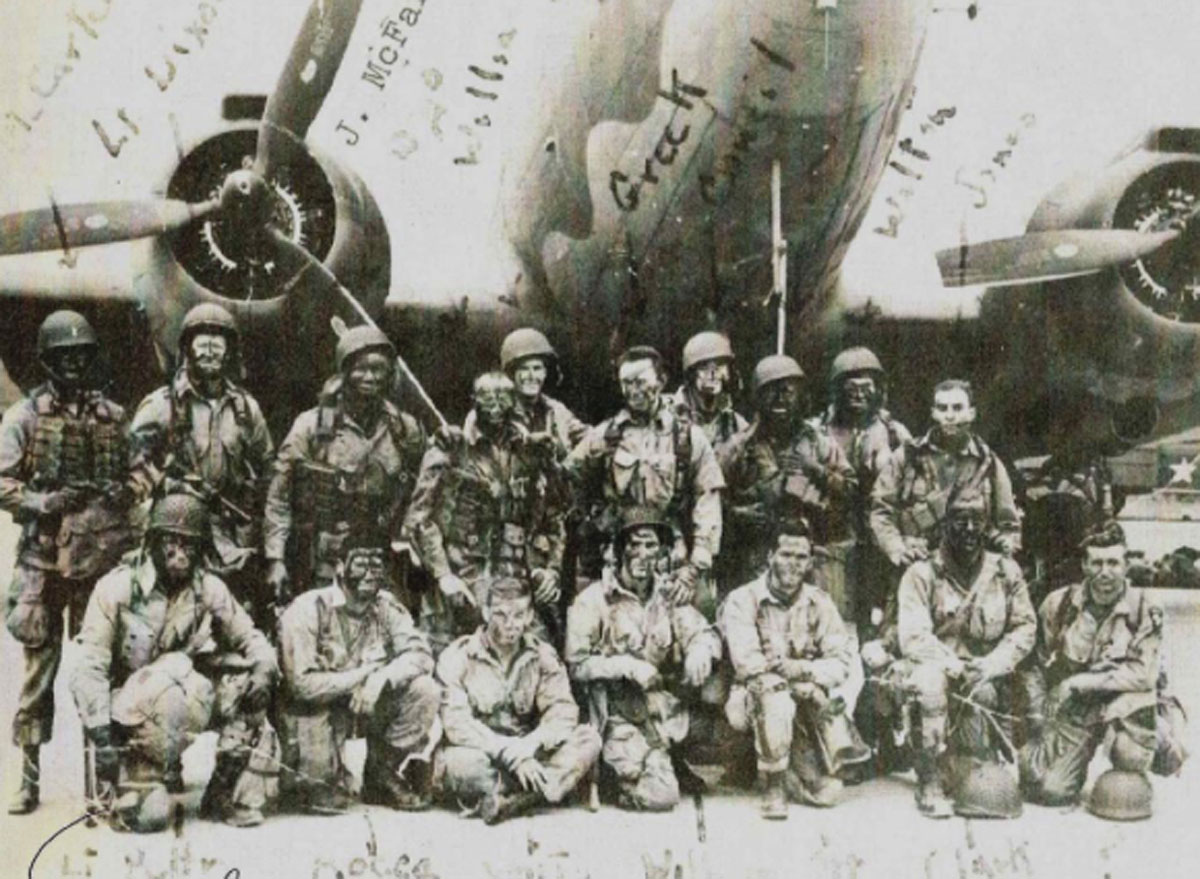
Nowadays it takes many years of service to earn the position of First Sergeant of an Infantry company. In the 1940’s, however, the military was a growth industry. In January 1945, less than four years after his enlistment, Leonard Funk was serving as Top Sergeant in his Airborne Infantry outfit.
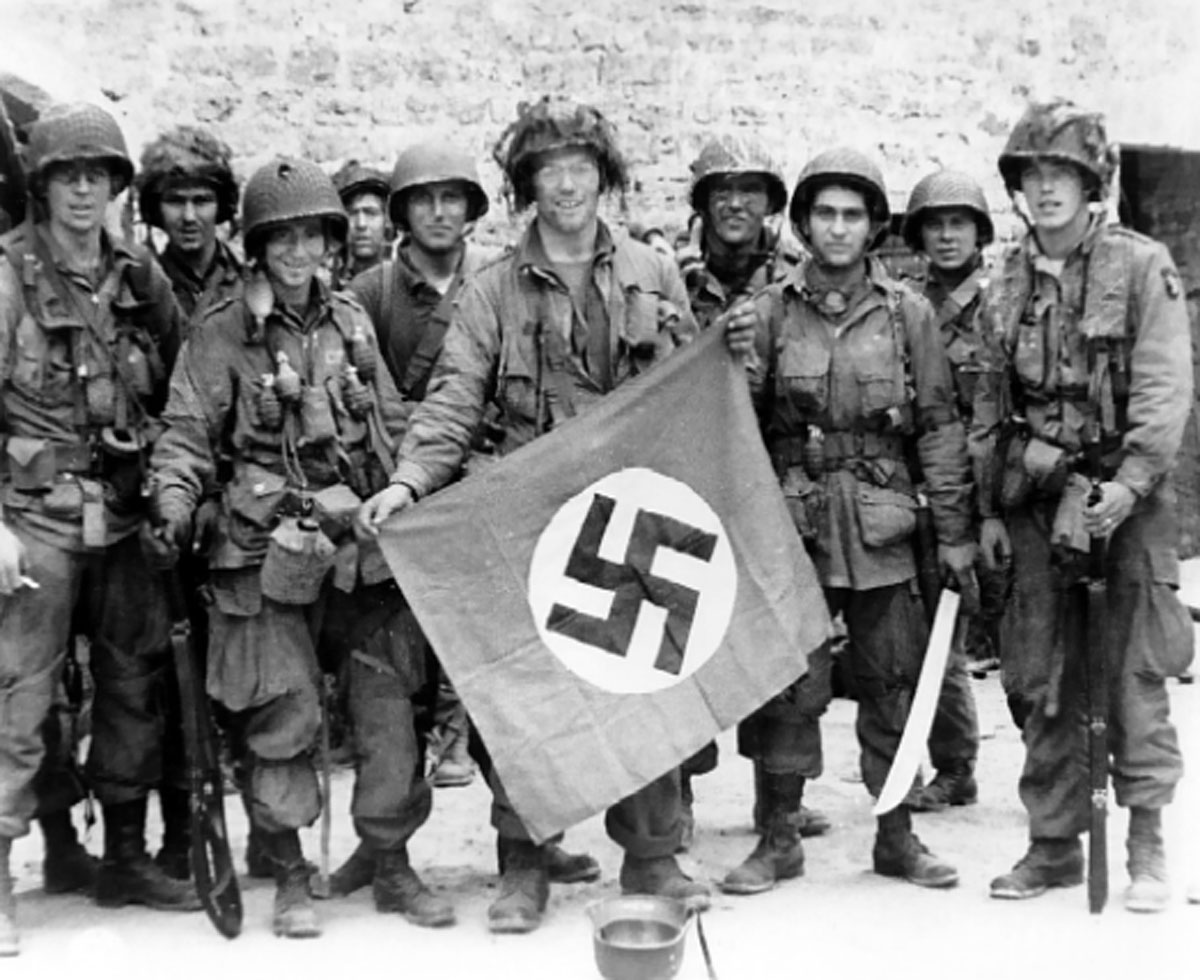
By 1945 Leonard Funk was a seasoned veteran. He had jumped into Normandy on D-Day and fought in Operation Market Garden as well as at the Battle of the Bulge.
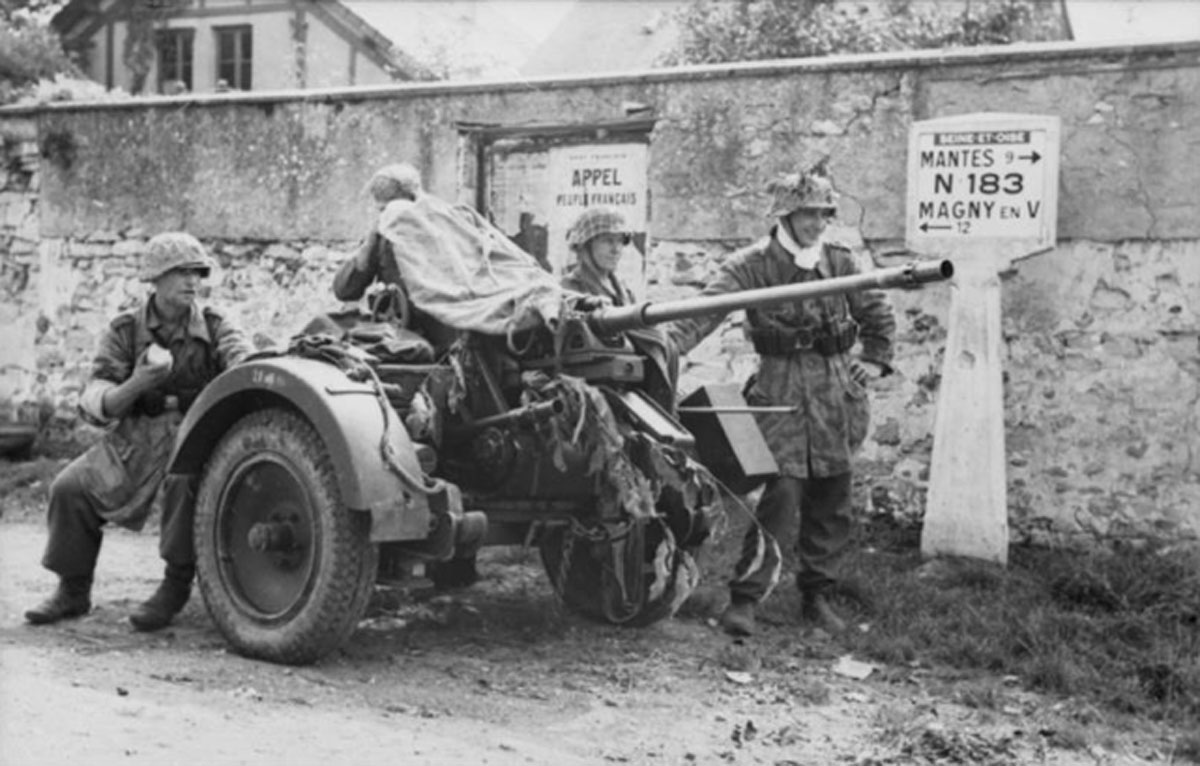
During Market Garden, Funk and two other American paratroopers attacked and destroyed three fast-firing 20mm antiaircraft guns that were engaging gliders as well as landing Airborne troops. For this action, he was awarded the Distinguished Service Cross, America’s second-highest award for bravery.
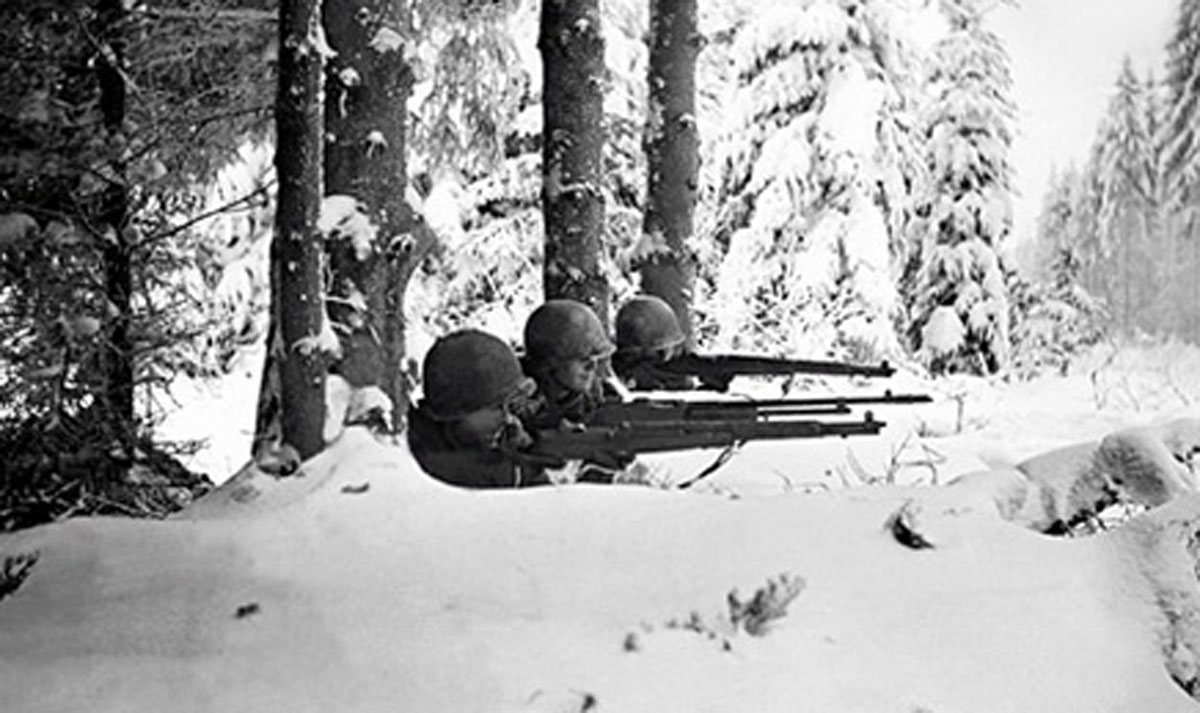
By January of the final year of the war, Funk found himself in Holzheim, Belgium, in the midst of a running gun battle.
The Thompson at War: Heavy, Obsolete, and Still Terrifying
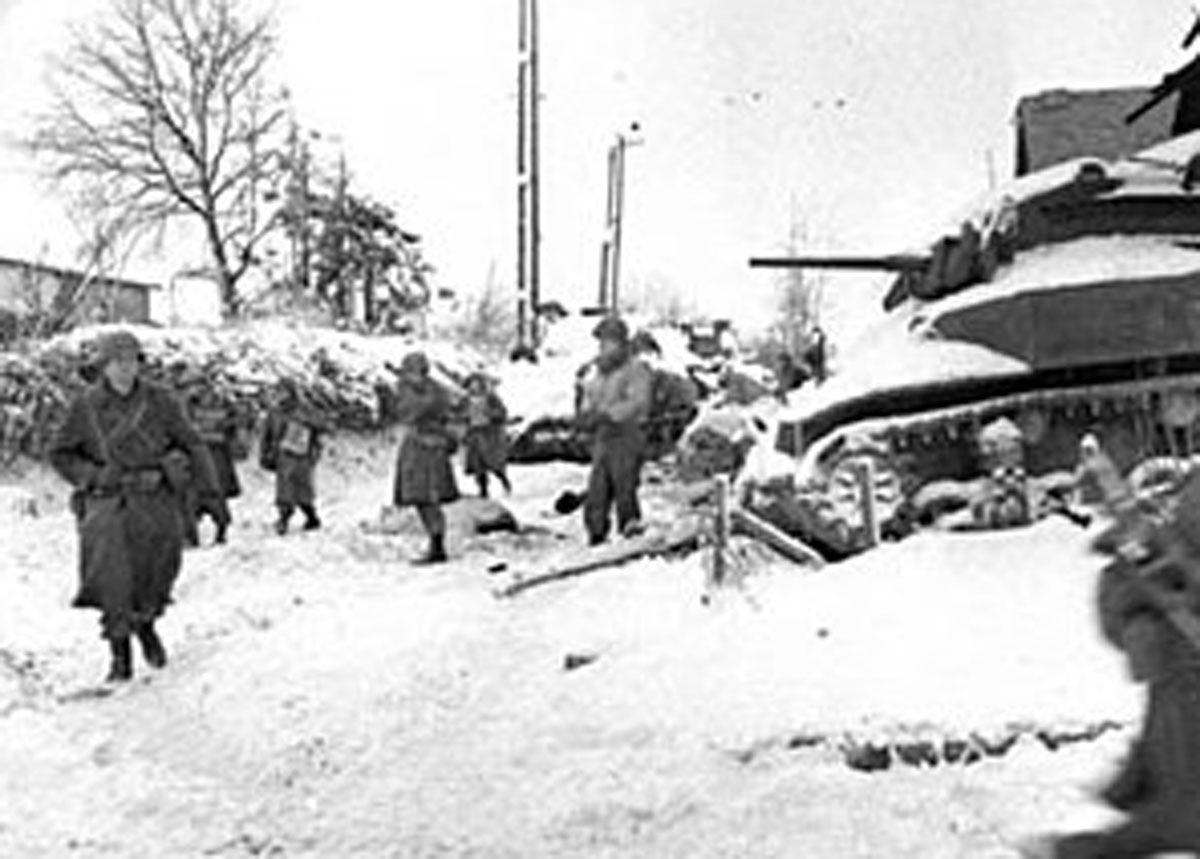
The Belgian winter was frigid, and Funk and his men were still reeling from their recent pounding during the Battle of the Bulge. On January 25, 1945, 1SG Funk and his company had already advanced fifteen miles in a blinding snowstorm. While preparing to attack through waist-deep snow drifts, the company Executive Officer was hit. 1SG Funk took over his duties and formed a scratch combat element out of headquarters personnel to help shore up the tactical situation.
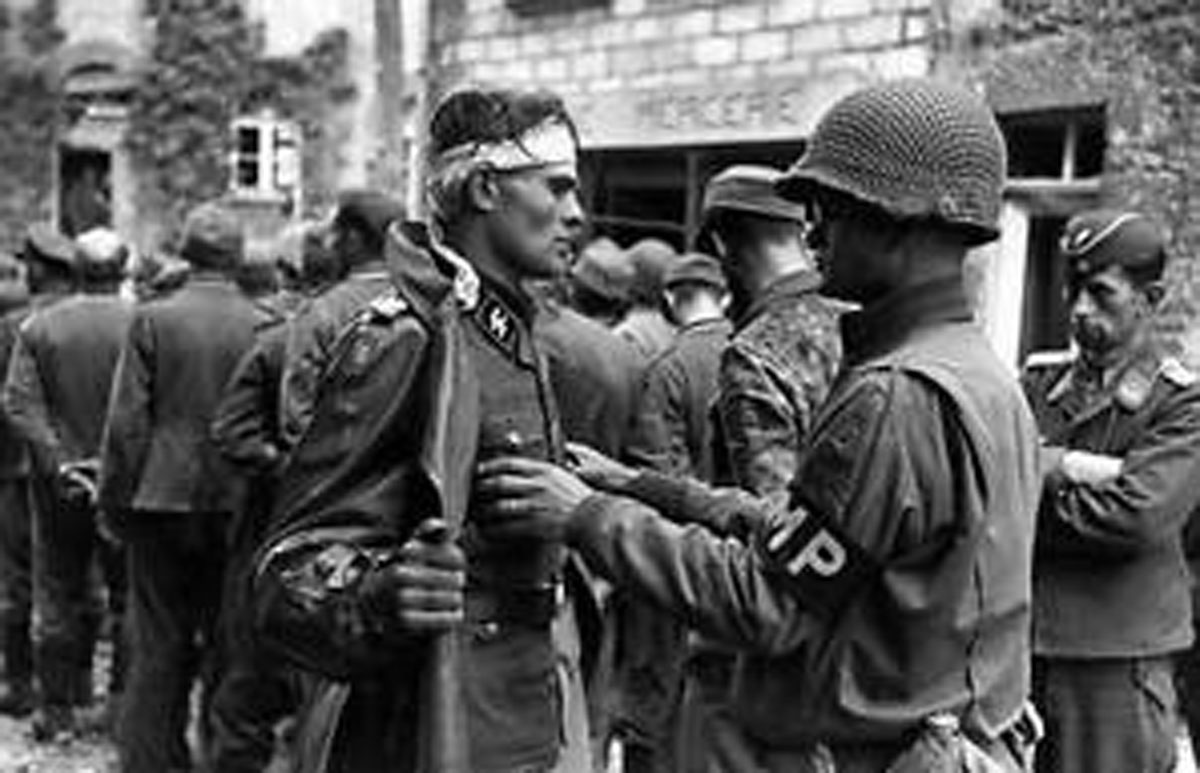
Under fearsome artillery fire, 1SG Funk led his group to assault and seize fifteen houses in close quarters combat. Along the way, they took eighty prisoners as well as the city of Holzheim. Dangerously short on manpower, 1SG Funk left four airborne soldiers to guard this large contingent of captured Germans. The fighting was still raging all around them and four men were all that could be spared.
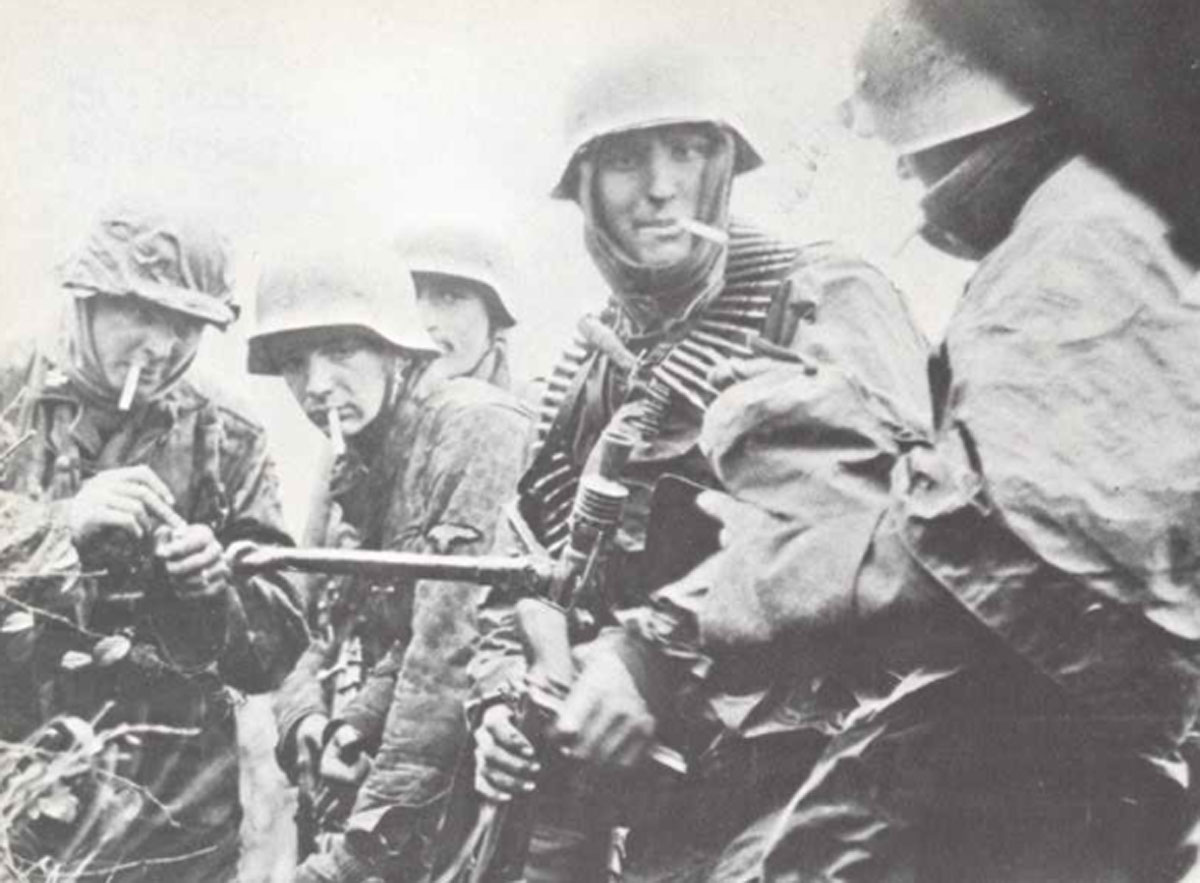
While the rest of his unit mopped up pockets of resistance, a German patrol penetrated to the prisoner holding area and successfully captured the four American guards by means of a ruse. The liberated German prisoners began rearming themselves and preparing to attack 1SG Funk’s company from the unprotected rear.
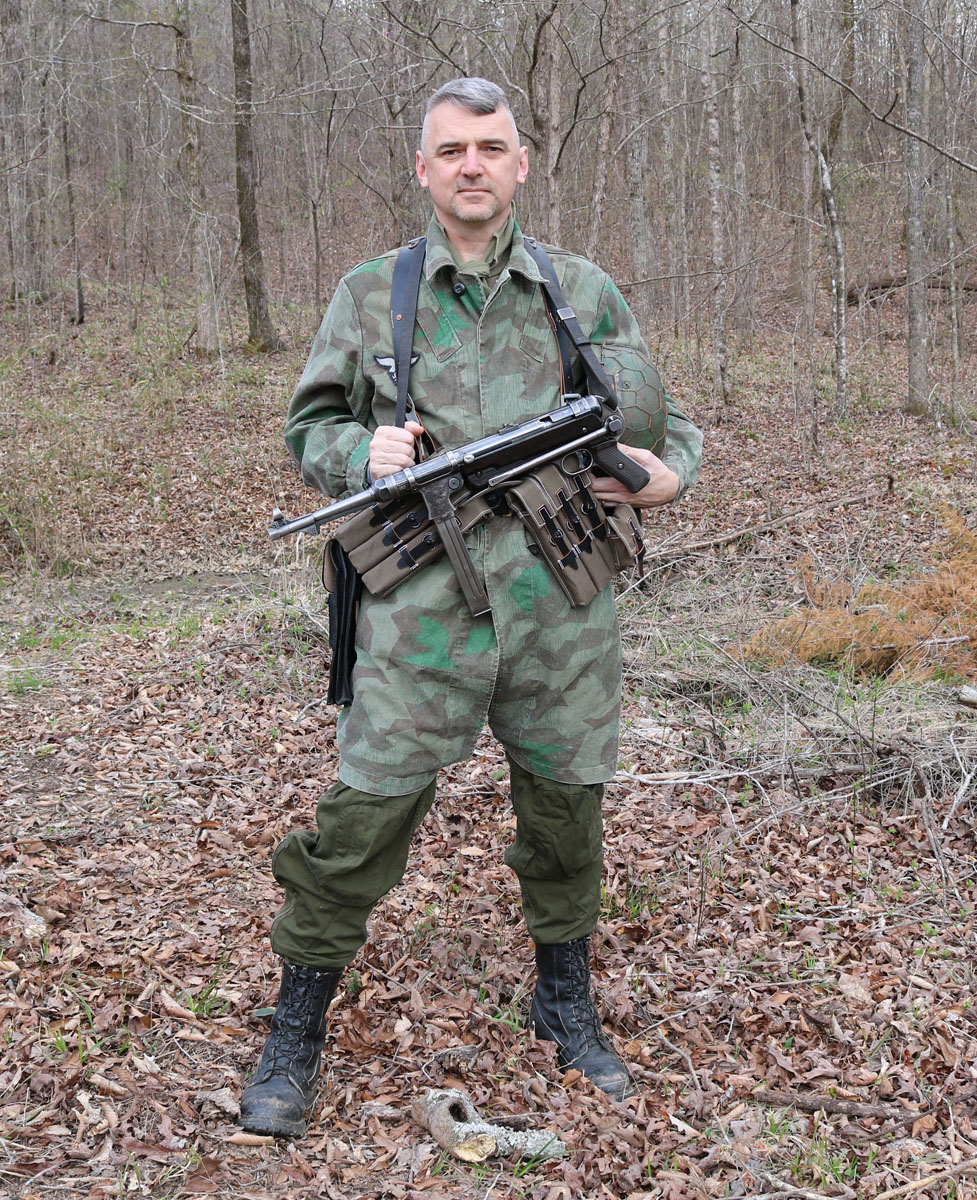
1SG Funk returned to check on the prisoners only to find them free and gunned up.
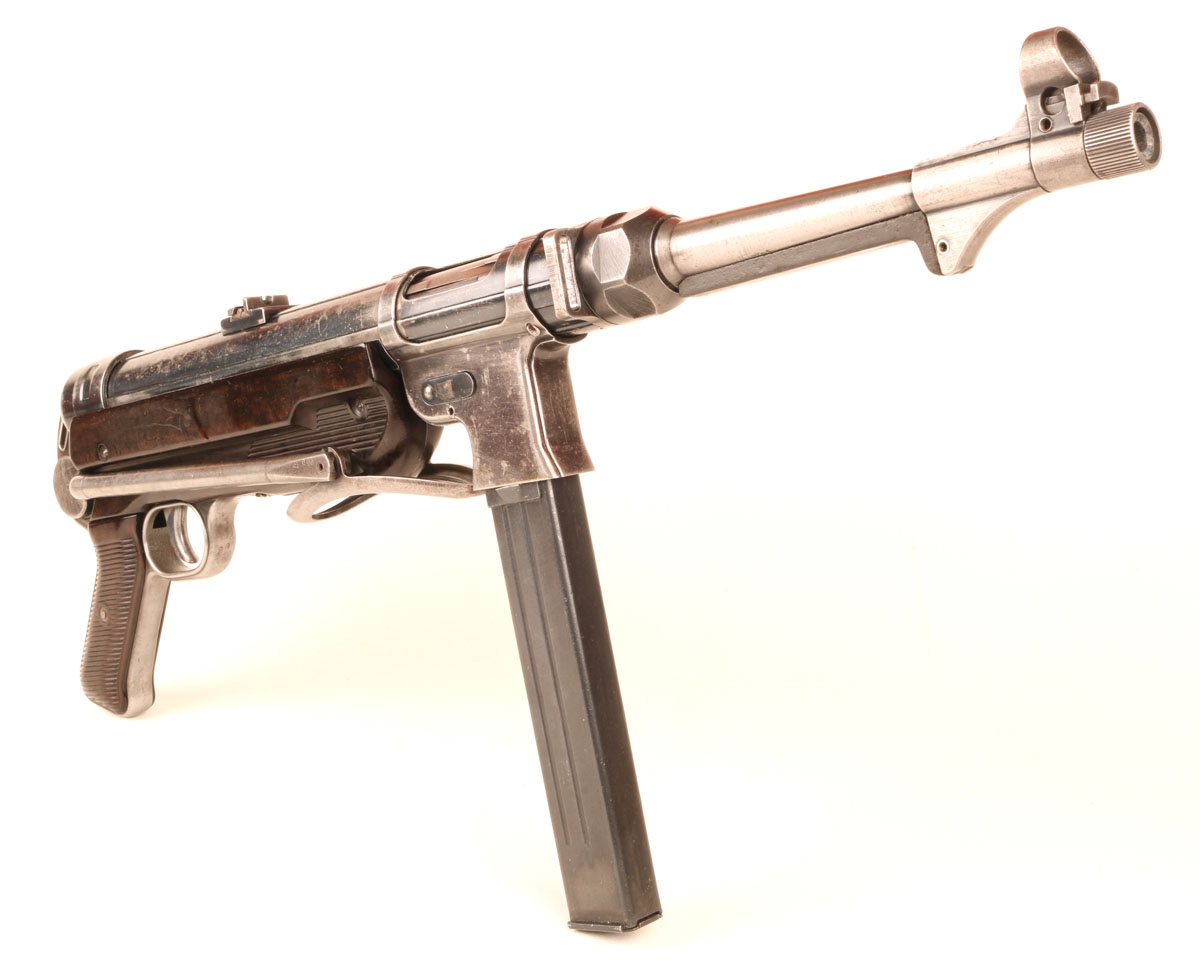
A kraut officer immediately shoved an MP40 submachine gun into Funk’s gut and began shouting at him in German.
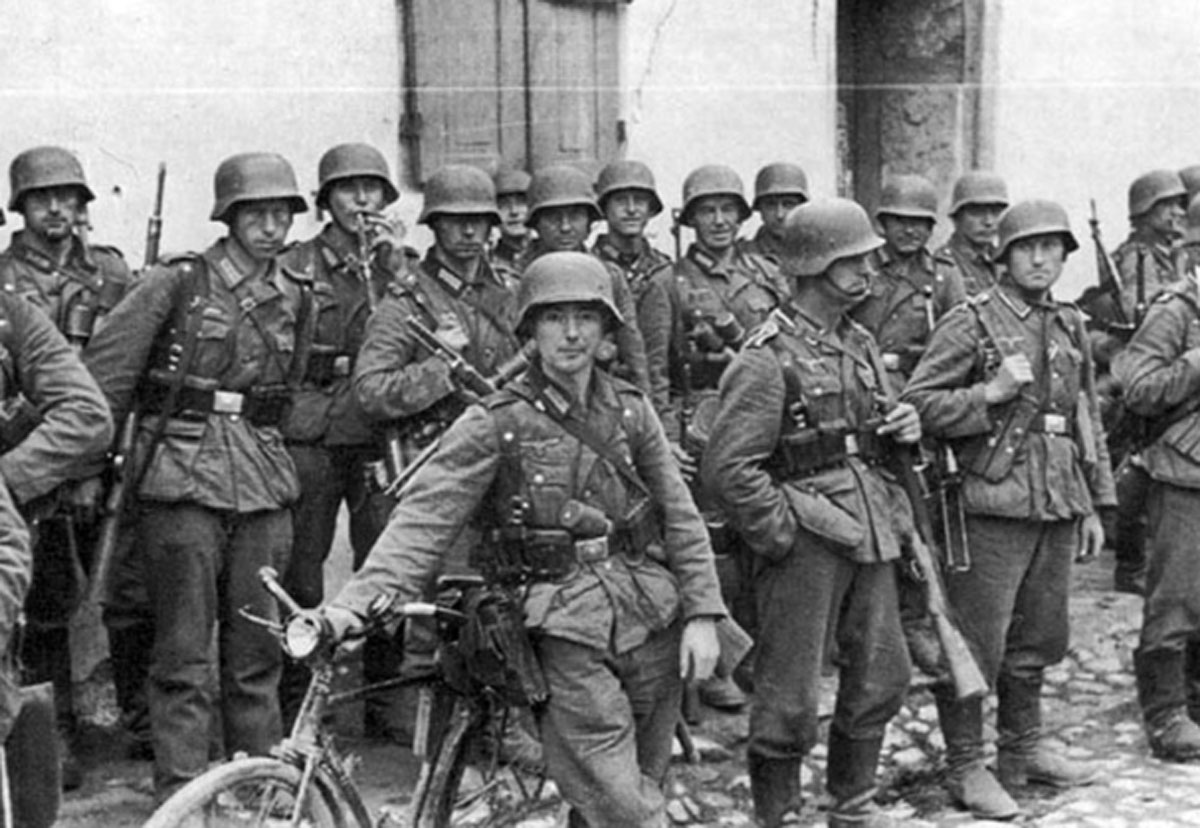
At this point, there were ninety Germans, about half of them with weapons, against five Americans, only one of whom was armed. In the face of such overwhelming odds, Leonard Funk found himself overcome with mirth.
Funk did not speak German, nor did any of the other four Americans present. He later said he had no idea what the enemy officer was shouting about and he soon found himself laughing hysterically as a result. The absurdity of the moment caused any number of the present Germans to begin laughing themselves. Funk called to his men, “I don’t understand what he’s saying!” before doubling over in comedic rapture. This made the German officer all the more agitated.
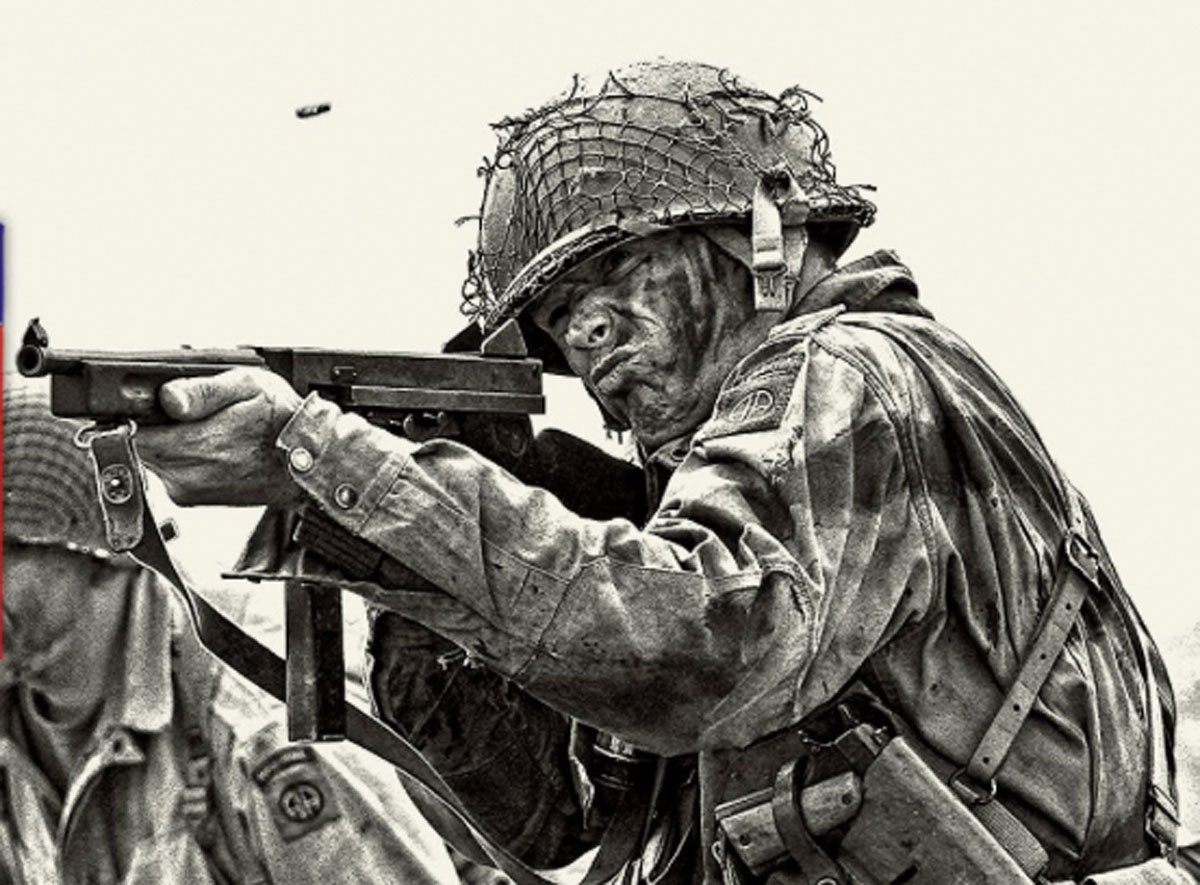
Funk began to slowly unsling his Thompson submachine gun as though he was handing it over to his German captor. In what was described as a lightning motion, the laughing First Sergeant spun his Tommy gun around and riddled the German officer with a full thirty-round burst.
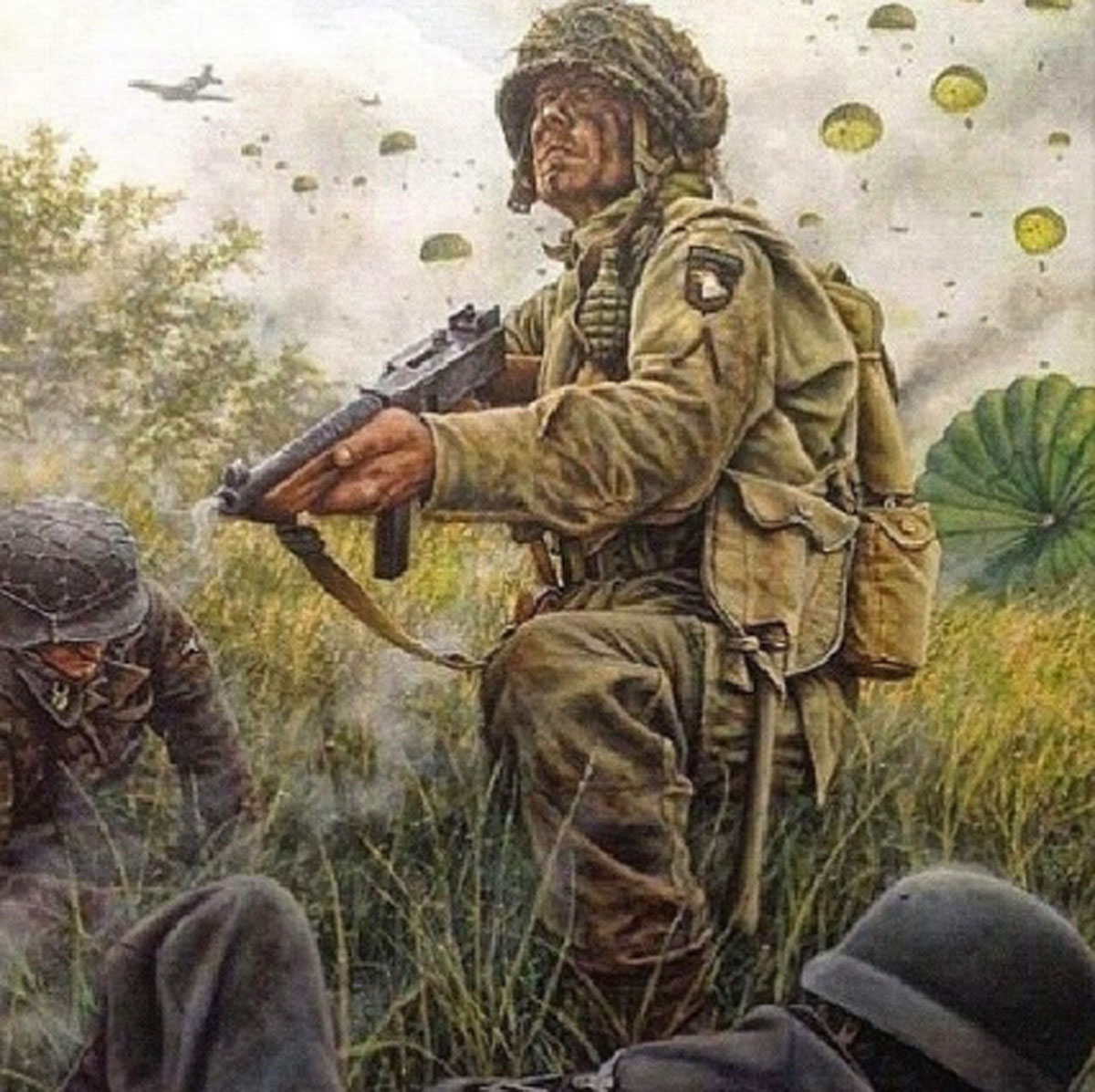
Funk then dropped his empty magazine and made a quick combat reload before engaging the other armed German soldiers nearby. The remaining four Americans dove onto nearby weapons and a vicious close-quarters firefight ensued. In moments, the five American paratroopers had killed twenty-one Germans at bad breath range. They left another twenty-four wounded. At this, the remaining Germans had had enough, threw down their weapons, and surrendered for real.
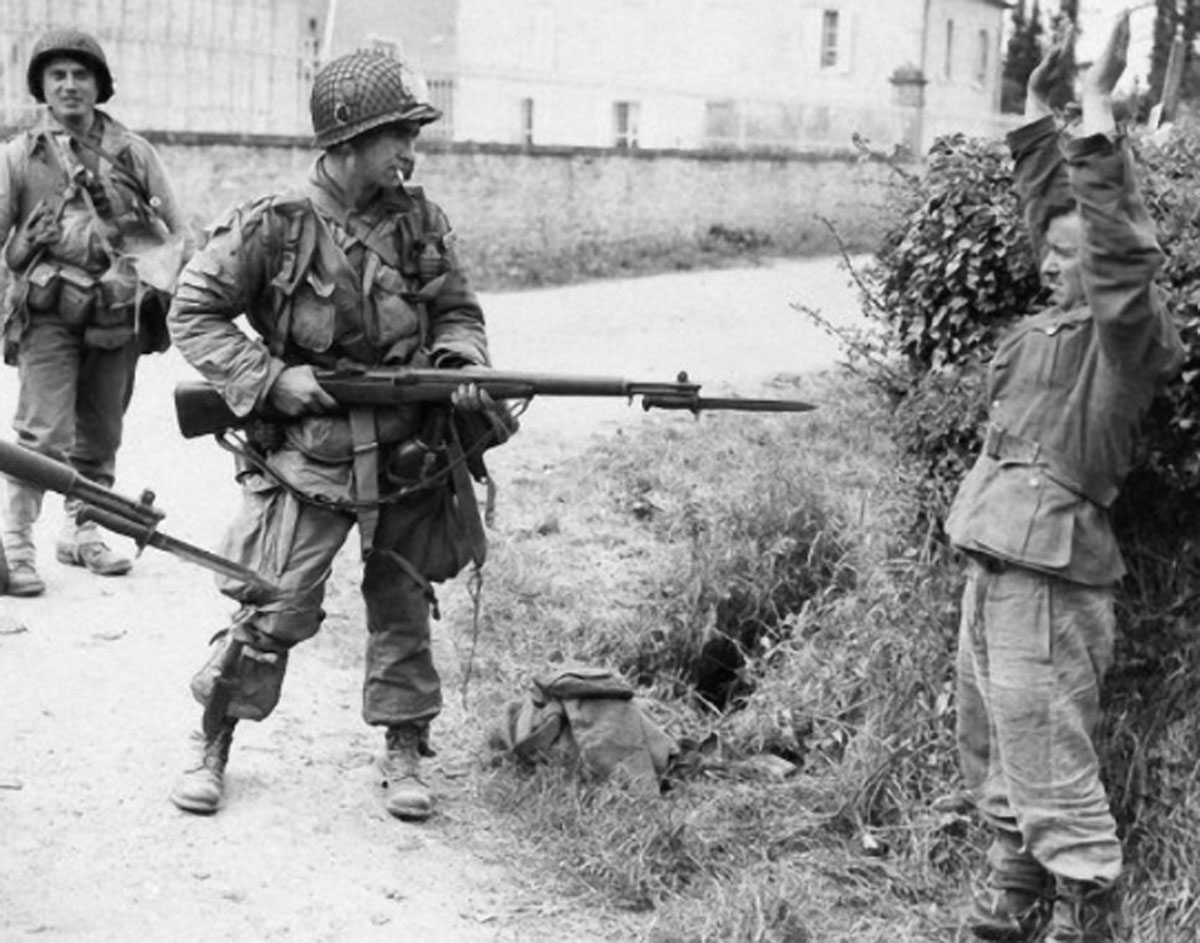
When the smoke cleared, 1SG Funk found himself yet again overcome with laughter. Between howls, he exclaimed to his men, “That was the stupidest f-ing thing I’ve ever seen!”
The M1A1 Thompson: A Ten-Pound Brick of .45 ACP Violence
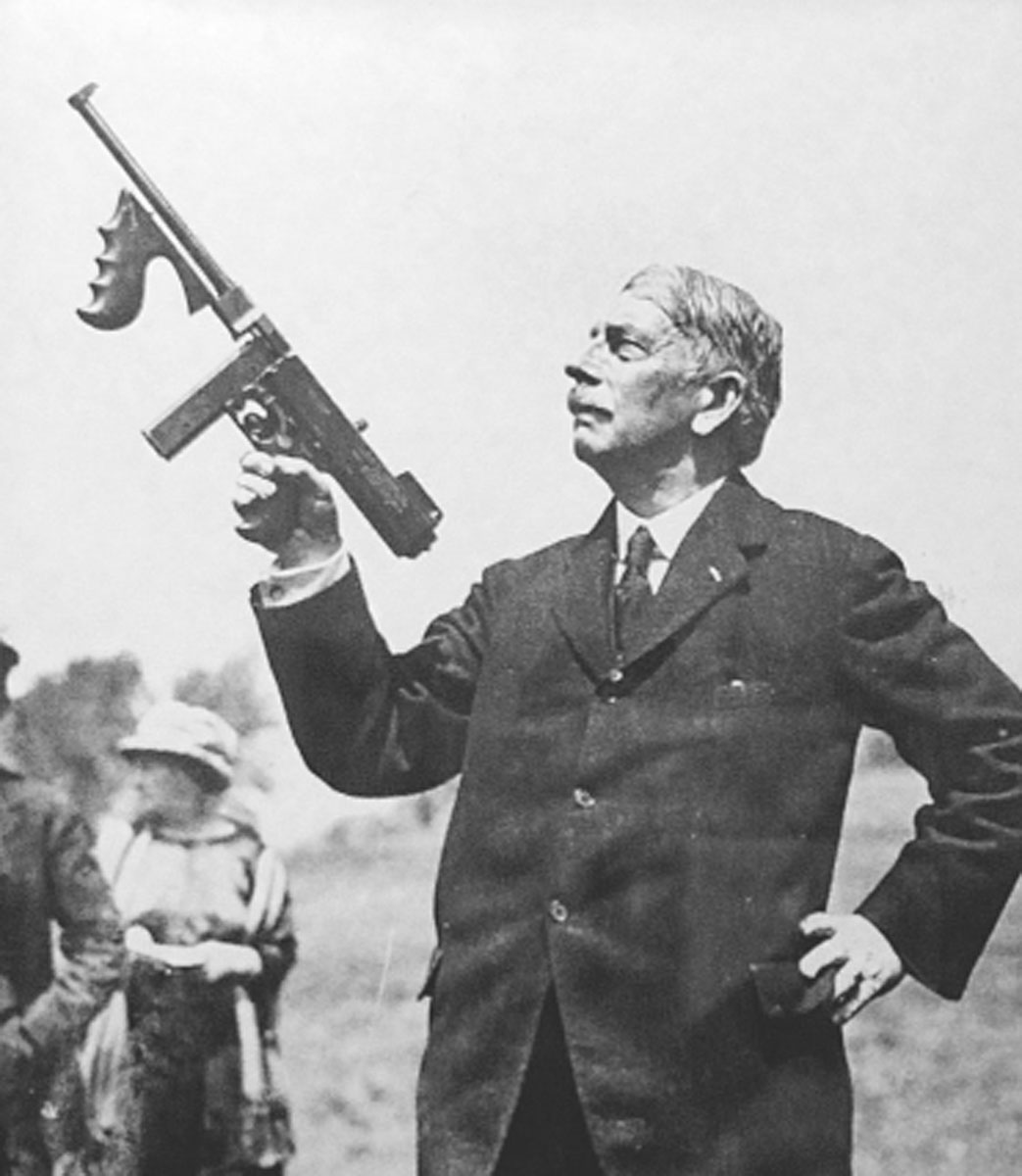
The Thompson submachine gun first drew breath in 1921, but it was not formally adopted for US service until 1938. Heavy, expensive, and awkward, the Tommy gun was technically already obsolete by the time the US entered WW2. However, it was the only submachine gun available at the time and soldiered on well into Vietnam. The Thompson was not fully purged from US military arms rooms until 1971. We produced around 1.75 million copies all totaled.
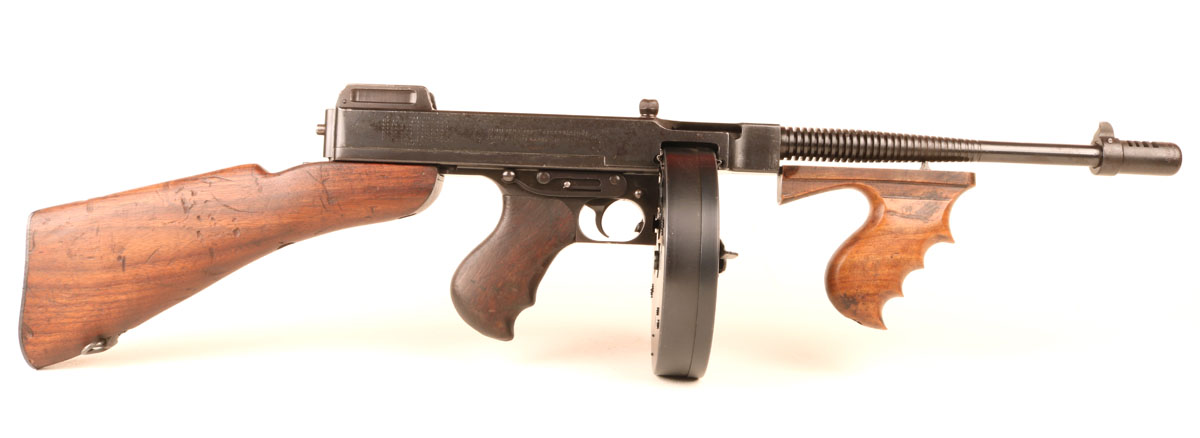
The M1921 and M1928 look very similar and can be discerned at a glance by their top-mounted actuators. These guns will accept 50 and 100-round drums and usually but not always include a finned barrel and a Cutts compensator.
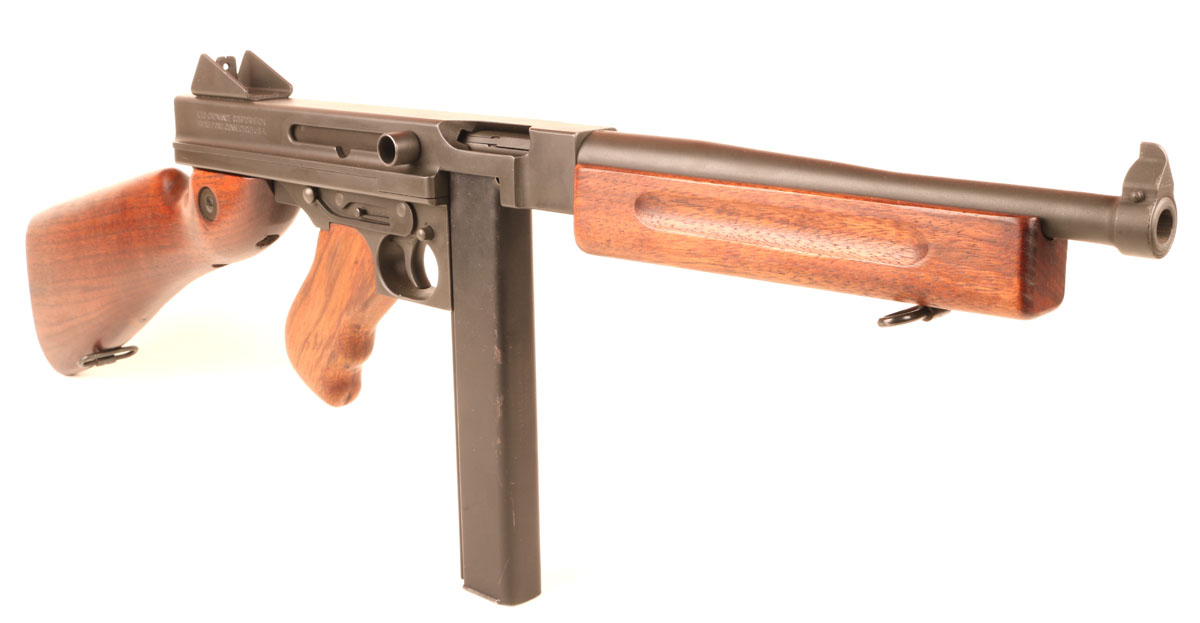
The later militarized M1 and M1A1 versions were somewhat cheaper to produce and sported an actuator knob on the right side of the receiver. They also included fixed sights and an unadorned muzzle.
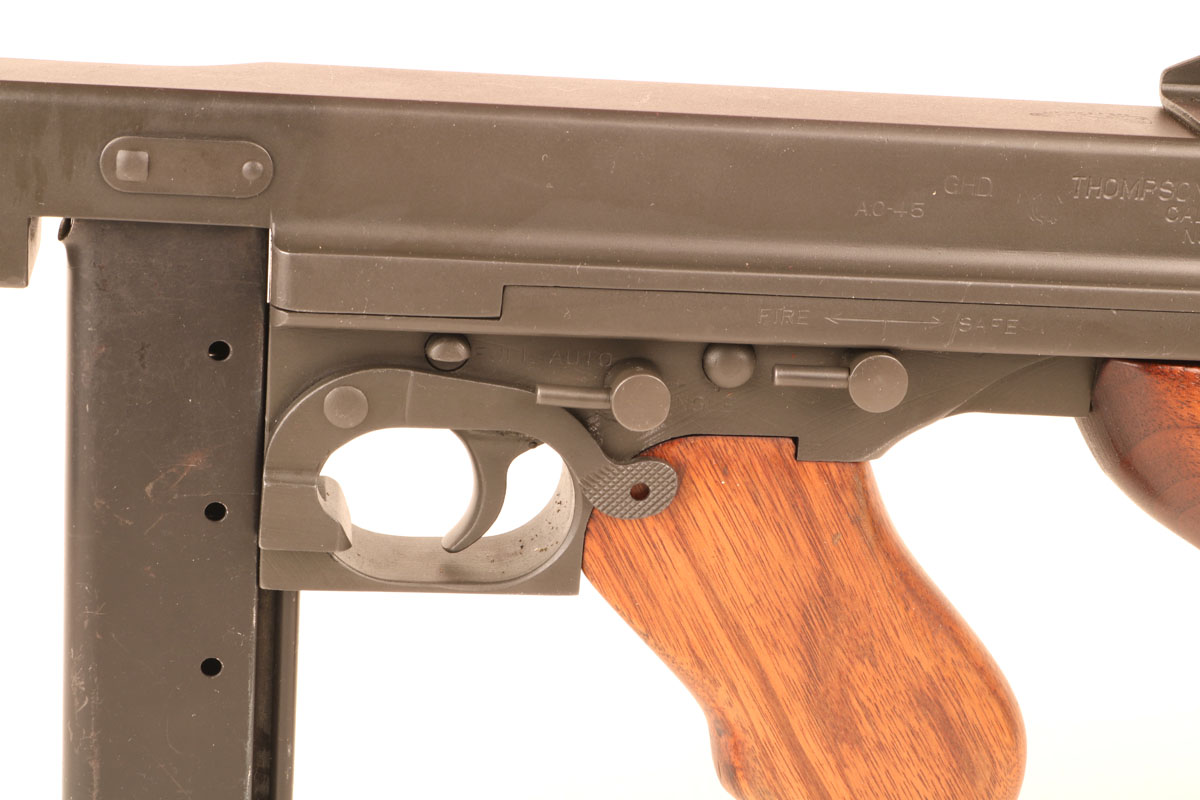
The Thompson features separate levers for safety and fire control purposes as well as a thumb-activated magazine release. All the controls are configured for right-handed firing.

The recoil vector is substantially higher than the buttstock, so this equates out to muzzle rise. However, the prodigious 10-pound weight of the gun combined with proper technique still keeps the weapon controllable. The latter M1 and M1A1 versions differed solely in the design of their bolts and fed from 20 or 30-round box magazines.
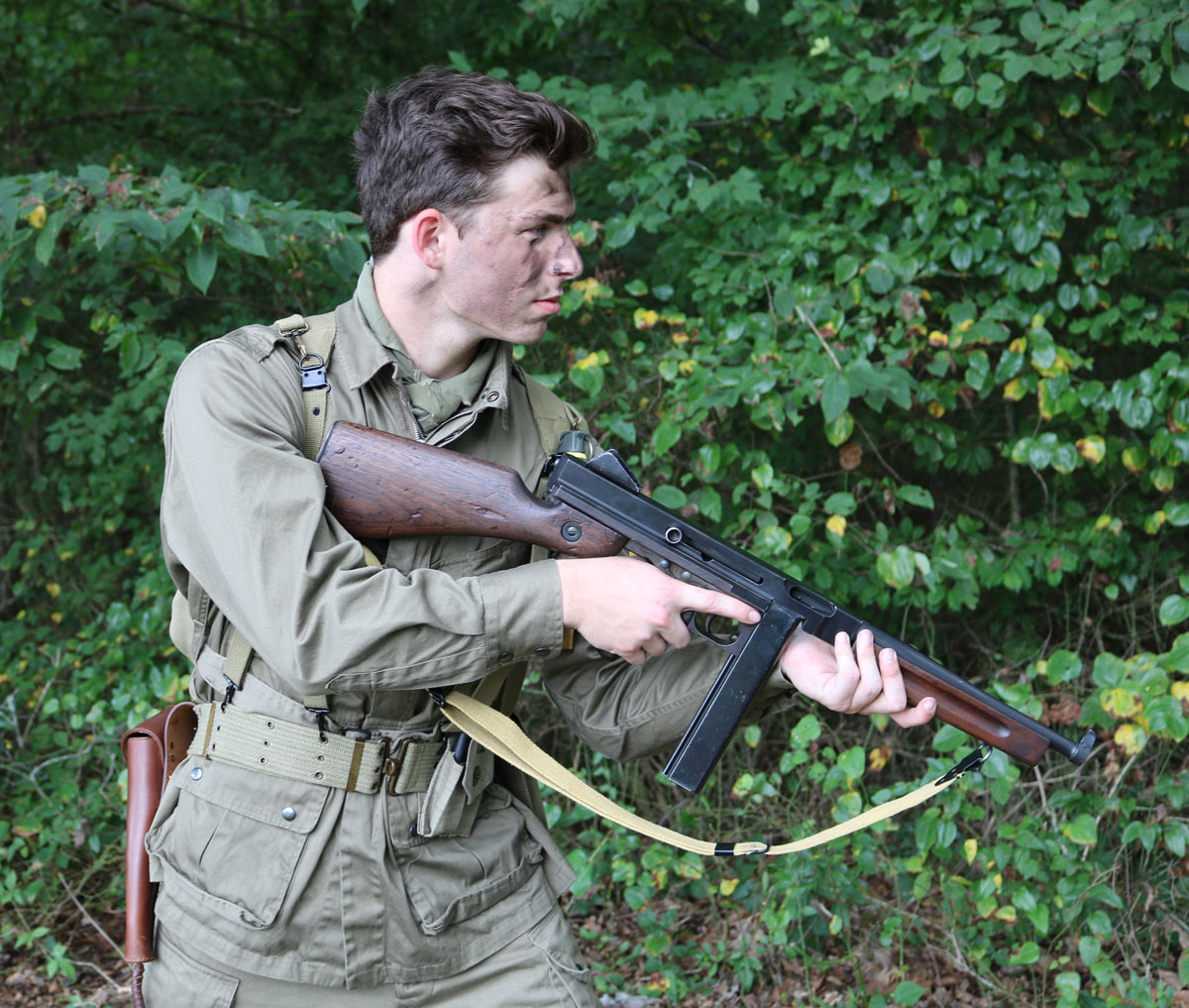
What the Thompson did phenomenally well was magazine changes. Nothing before or since even comes close. The guns fire from the open bolt, but a mechanism built into the magazine follower locks the bolt open on the last round fired. Simply drop the magazine, slap in a fresh one, and squeeze the trigger to get the gun back in action. Literally, nothing is faster. 1SG Funk put this feature to good use when he did a combat mag change while hosing down his surprised German opponents.
After the Smoke Cleared, Leonard Funk Had Saved C Company
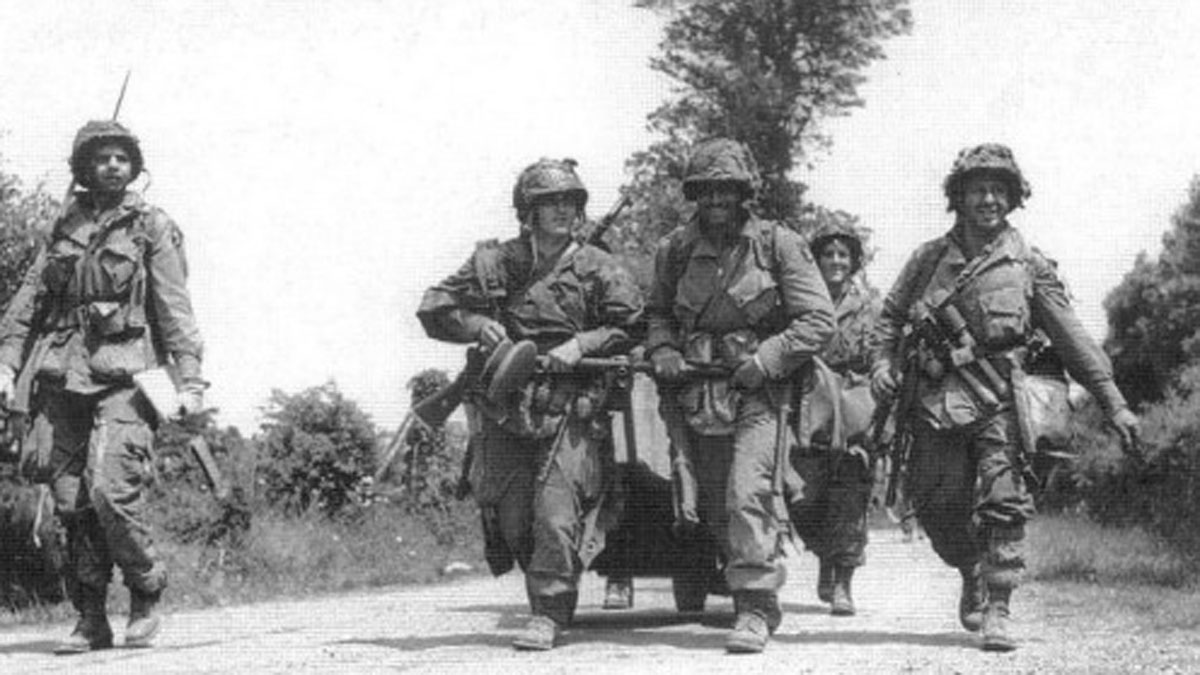
1SG Funk’s instinctive and audacious actions were credited with neutralizing the substantial enemy threat to the company’s rear. Had the Germans not been stopped, they could have readily wiped out C Company from behind before support could have arrived. 1SG Leonard Funk earned the Medal of Honor for his actions that day.
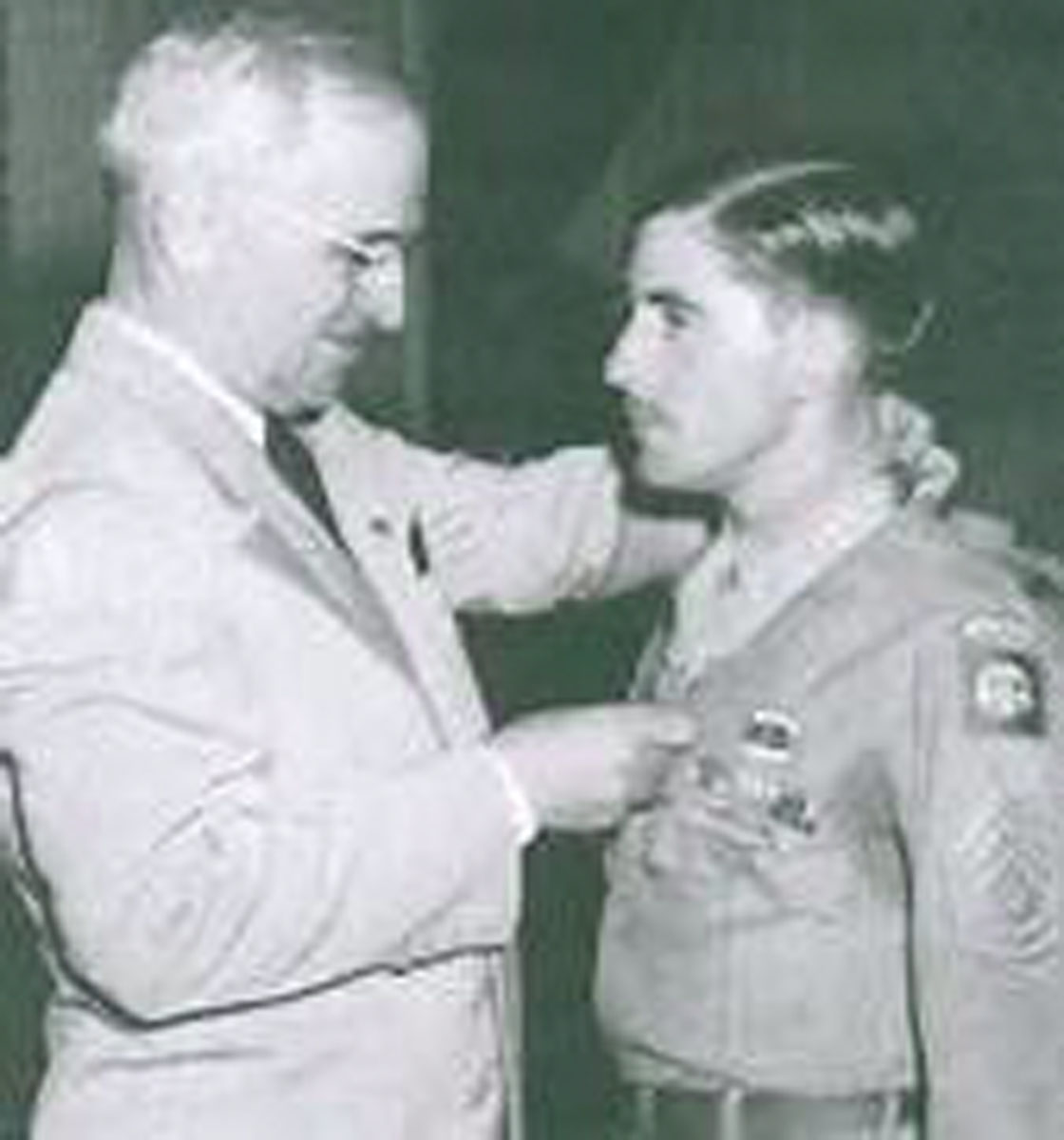
1SG Leonard Funk was a citizen soldier with the heart of a warrior.
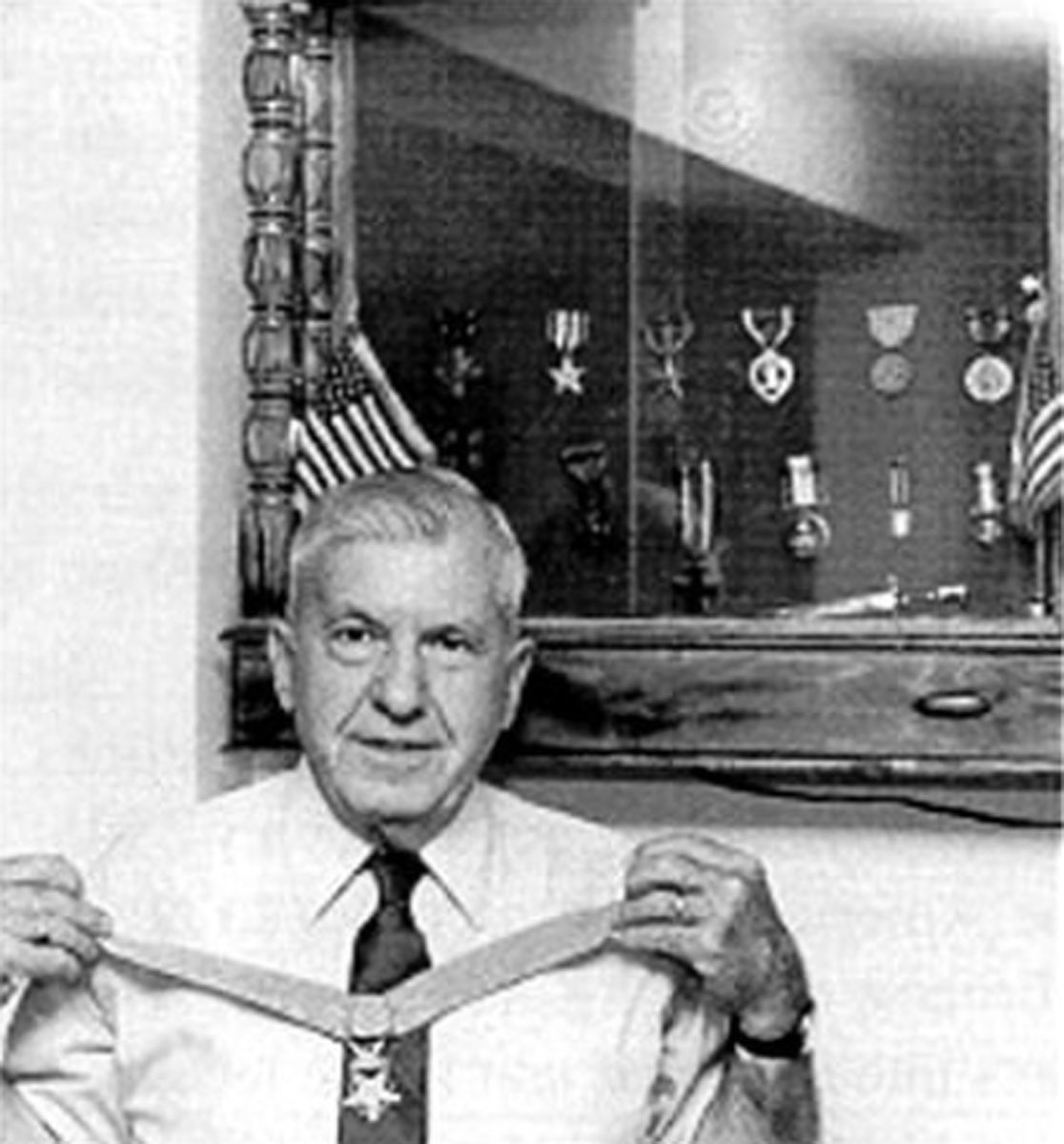
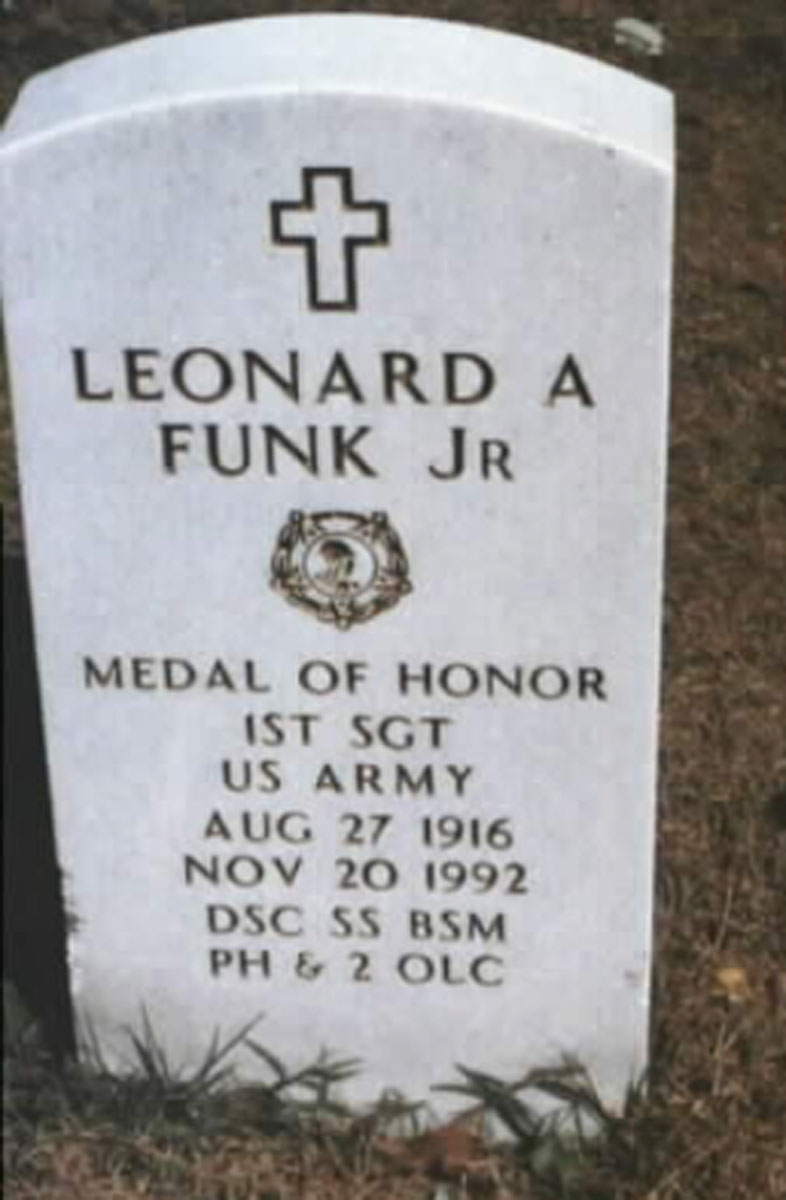
Leonard Funk also earned the Distinguished Service Cross, the Silver Star, and the Bronze Star as well as the Purple Heart on three different occasions. He wore the Combat Infantryman Badge and received the Belgian Croix de Guerre with Palm.
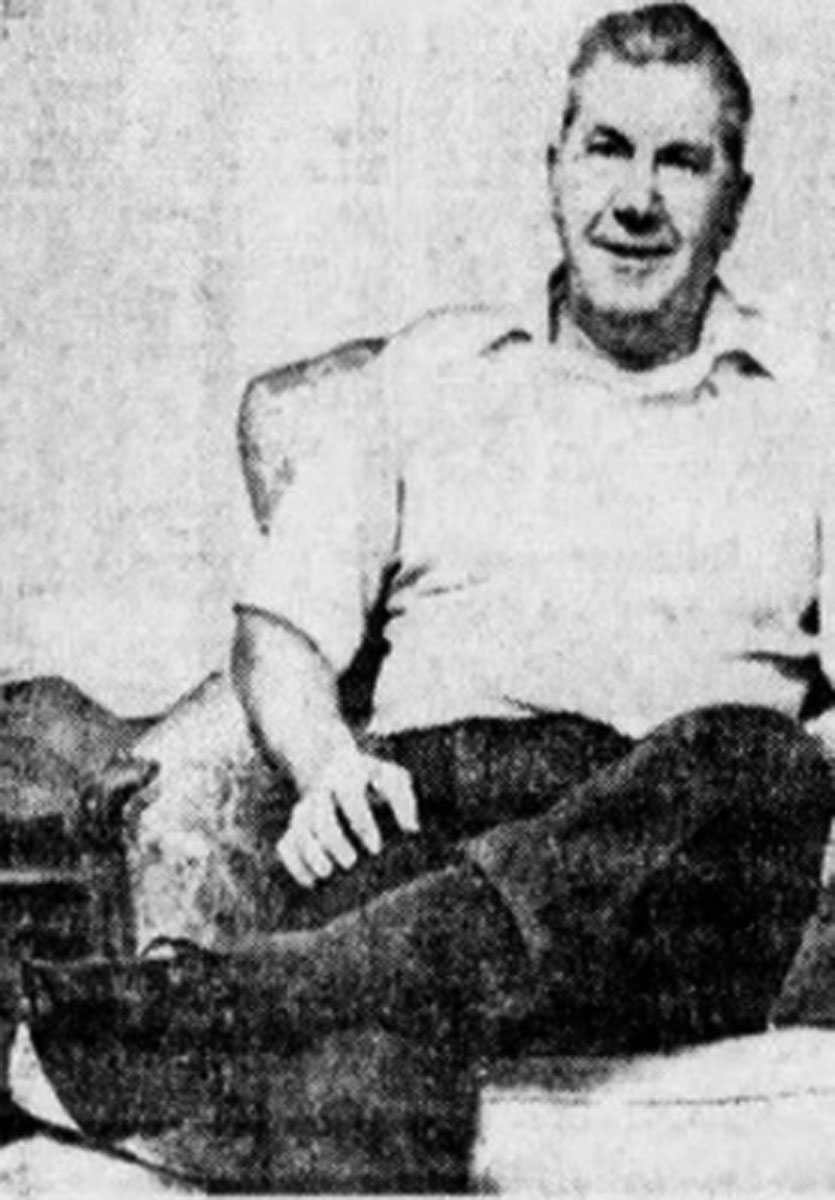
Leonard Funk took a job with the Veteran’s Administration after the war and retired in 1972. He died in 1992 and was buried at Arlington National Cemetery.
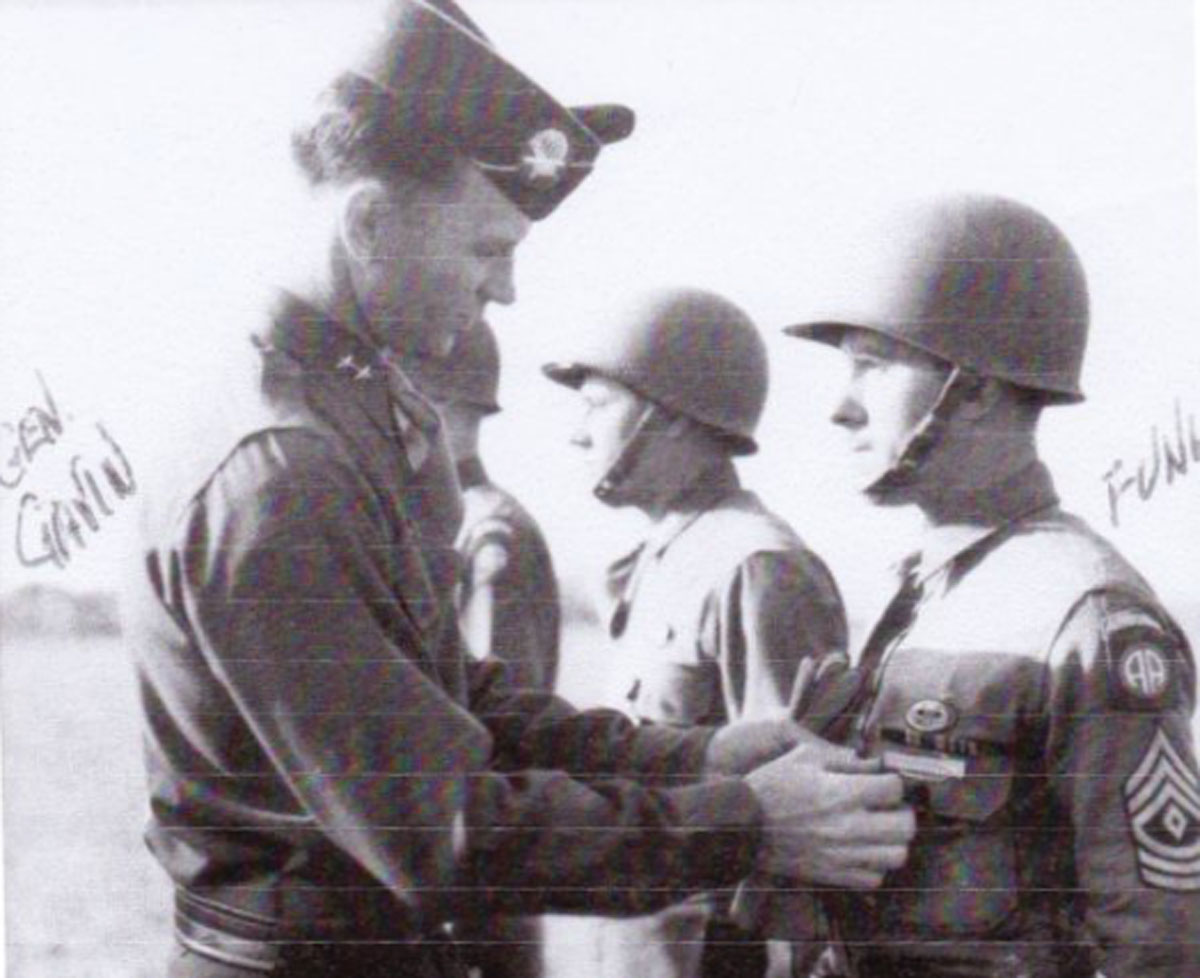
The Greatest Generation showed us what ordinary men could do under extraordinary circumstances. By today’s standards, a soldier with Leonard Funk’s time in service might be a Specialist or buck Sergeant. In 1945, however, this young twenty-nine-year-old sky soldier was a veteran of multiple hard-fought campaigns and some eight months under fire. At a time of truly mind-boggling peril, Leonard Funk responded with uncontrollable laughter and a Thompson submachine gun to defeat the enemy and save his company from near certain destruction.
M1A1 Thompson Specifications: The Gun Behind the Laugh
M1A1 Thompson Submachine Gun
| Caliber | .45ACP |
|---|---|
| Weight | 10 pounds |
| Length | 31.9 inches |
| Barrel Length | 10.52 inches |
| Action | Open-Bolt Blowback |
| Rate of Fire | 700-800 rpm |
| Feed System | 20 or 30-round Box Magazines |
Related Reads from GunsAmerica Digest
- More Military History from GunsAmerica Digest
- Classic Firearms and Battlefield Guns
- More Stories from GunsAmerica Digest

Will is still trying to figure out what he really wants to be when he grows up. However, shooting guns and claiming it was work seemed like a pretty sweet hustle. As a result, Will serendipitously transformed an avocation into a vocation.
Raised in the Mississippi Delta, Will flew UH1H, OH58A/C, CH47D and AH1S helicopters operationally as an Army Aviator. He is SCUBA-qualified and has parachuted out of perfectly good airplanes at 3 o’clock in the morning. Will has summited Mount McKinley, Alaska, six times…always at the controls of an Army helicopter, which is the only way sensible folk climb mountains.
Will has delivered sixty babies and occasionally wrung human blood out of his socks. He is married to his high school sweetheart and has three awesome adult children. Turn-ons include vintage German machineguns, flying his sexy-cool RV6A airplane, Count Chocula cereal and the movie “Aliens.”
www.word-monkey.com
Experience:
-Professional Writer-thousands of publishing credits for dozens of titles
-Mechanical Engineer/Practicing Physician
-Instrument-rated Commercial Pilot
-Sunday School Teacher
Very nice work!
Will,
Another great MOH story would be about Sammy Davis, Jr. No, not the Candyman, but the real Forest Gump. I had the pleasure of visiting with Sammy for an hour several years ago at SHOT. What a magnificent man. Quite a story.
Wow
I love these stories, and I only ever see stories like that on here.
Will, your stories are the greatest. Never stop. Hopefully you will consolidate all of them into a book.