
Estimated reading time: 10 minutes
As a hunter, you become adept at making holes. Shot placement is key, and you quickly learn precisely where to shoot your target for the quickest, most ethical results. That ability to visualize a deer’s vitals is fantastic, and it’s great that you’re able to fill your freezer with healthy, lean meat. You probably have a carefully thought-out rifle-and-optic setup and possibly spend time every day mapping out a food plot or feeders. Maybe you have a tree stand; maybe you have raised blinds. You take hunting seriously, and you have the gear to show for it. Or do you? Do you have a good trauma kit ready and waiting? We’re going to tell you why you need one, what to put in it, and even where to learn to use it.
Quick disclaimer: This is not medical advice. It’s informational and educational only.
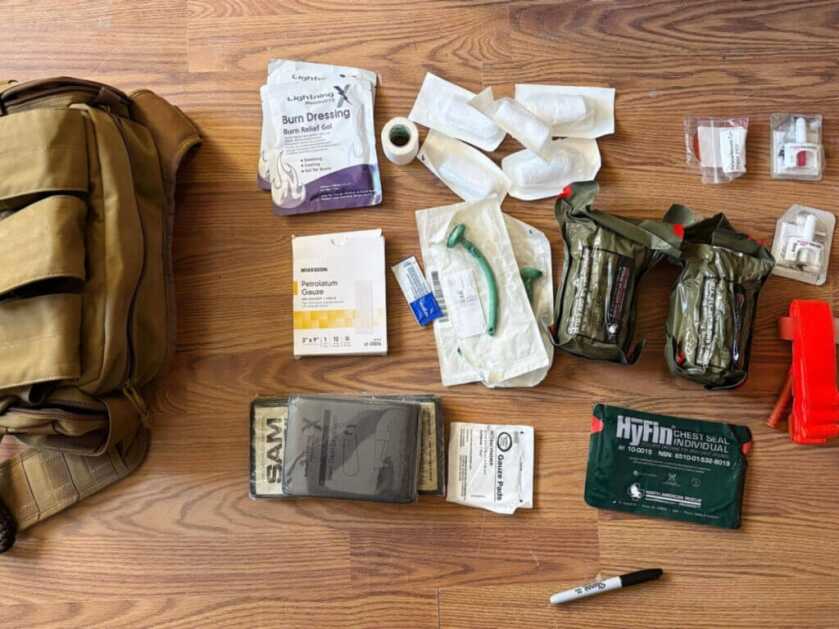
Table of contents
Trauma Kit Contents
Trauma kits contain all the odds and ends you could find yourself needing in a true emergency. That includes simple things like band-aids and cloth tape, and more complex items such as tourniquets and QuikClot (which aren’t that complex at all). Statistically, you’re more likely to need a tourniquet than you are a handgun for self-defense. And if you’re a hunter, the odds of you needing a trauma kit of some sort are even higher than the average gun owner (we’ll explain that in a minute).
Setting up a good trauma kit isn’t that time-consuming or inordinately expensive. Just a few basics—frankly, just one—is enough to keep you or a friend alive at least long enough to get to a hospital. You can get elaborate with the trauma kit you keep in your truck, because it doesn’t need to be compact enough to carry with you, but the trauma kit you add to your backpack or pants-leg pocket can be a lot smaller. We’re going to cover both.
Need for a Trauma Kit
Huntiner and Shooting Accidents
According to the NSSF, there are approximately 27 injuries for every 100,000 hunters each year. Of those, an average of 100 injuries sustained by hunters are fatal. That includes falls from tree stands—those are more common than you might realize, so don’t forget your harness. Some states are enjoying vastly improved injury rates. For example, in my home state of Texas, there were only 10 non-fatal injuries in 2023 and one fatal. injury That marked the lowest number of injuries in 59 years for a state that’s enormous and has huge hunter participation.
Accidents—whether due to negligence or bad luck—aren’t the only danger to hunters. Murders are also carried out during the various hunting seasons. That includes strangers killing landowners, random men murdering fellow duck hunters, and shots fired in anger against someone the perpetrator knows. Yes, it happens. It isn’t that common, but it’s not at all unheard of.
Vehicle and Other Accidents
Then there’s the hunting-adjacent reality of deer who flee at the first crinkle of a Little Debbie wrapper but who enjoy playing a game of chicken with a speeding one-ton truck. Deer don’t seem to use a shred of instinct over the fall and winter, and that results in a lot of injuries and a few deaths. The Insurance Institute for Highway Safety states there are about 1.5 million—yes, million—deer-and-vehicle collisions annually. Those collisions result in a lot of injuries and approximately 150 deaths. Statistics also show there are around 59,000 injuries every year from deer diving headfirst into vehicles. And if you’re a hunter, you’re significantly more likely to frequently travel in areas with more deer movement, majorly increasing the risk of collision and resulting injury.
These numbers might all make you feel bulletproof, but I have news for you—you aren’t. Safety and awareness can only take you so far when it comes to injuries. Accidents happen, and those incidents are often out of our control. What you can control is your preparedness and how ready you are to handle an accident.
IFAK and What It Should Contain
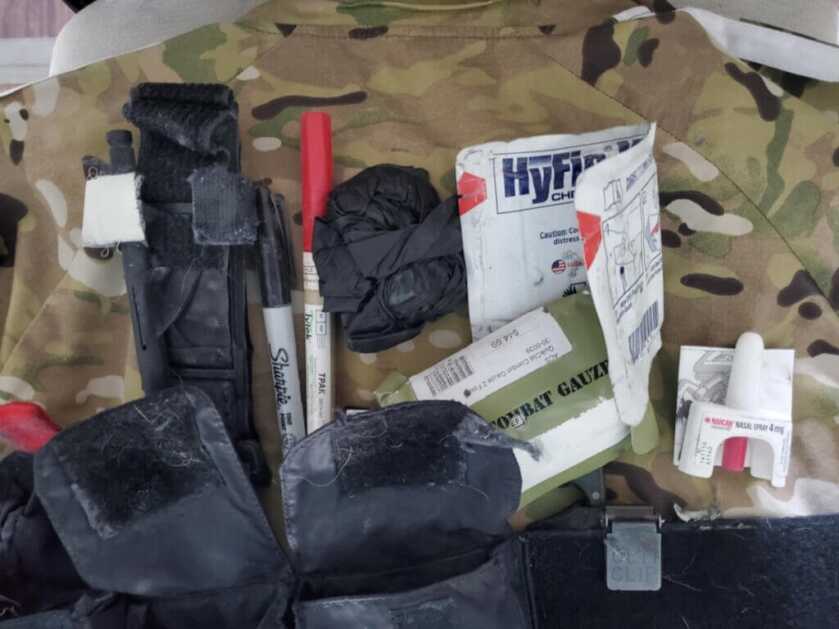
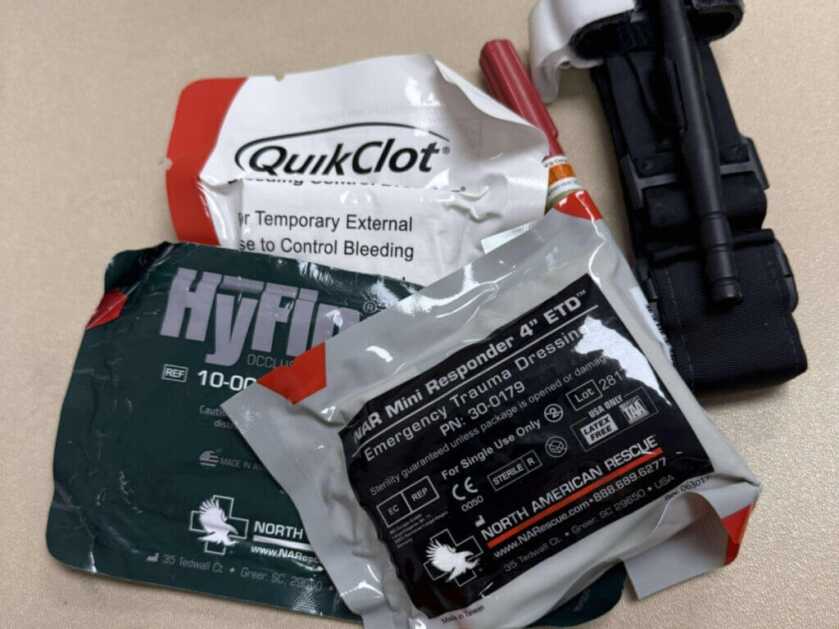
IFAKs (Individual First Aid Kits) are designed to be compact, portable, and streamlined to include only the essentials. You can get an IFAK already assembled, or you can purchase an appropriately small case and fill it with whatever items are needed. If you’re going to get one already put together, take care to get it from a reputable manufacturer like Dark Angel Medical. There are lots of subpar IFAKs for sale on sites like Amazon that contain unnecessary items and low-quality tourniquets—if they have one at all.
Things to put in an IFAK:
- Tourniquet (CAT or SOF-T)
- Trauma shears (preferably full-size)
- Mylar blanket
- Hemostatic gauze (such as QuikClot)
- Compressed gauze
- Vented chest seal
- Compression bandage
- Nitrile gloves
- Optional: Sharpie
Although it’s okay to have a trauma kit with some items mounted to the exterior of the pack, it’s something hunters should avoid if possible. As hunters, we spend so much time in the trees and dirt we’re more likely to damage our gear, and that includes an IFAK with a tourniquet and shears on the outside of the case.
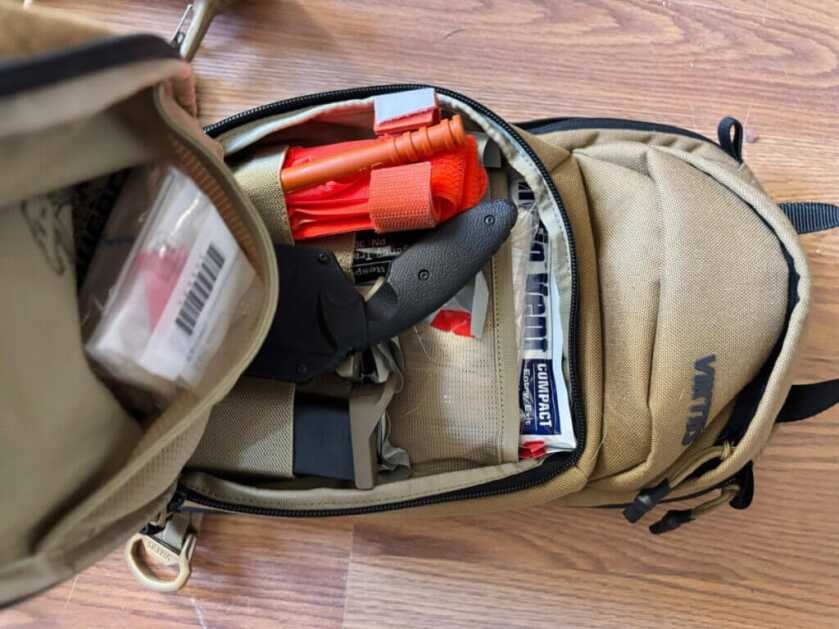
Larger Truck Trauma Kit and Contents
If you’re able to put together a larger trauma kit that stays in your vehicle, do it—you’d be surprised what incidents you might come across where it’s needed. You can simply put an IFAK in your vehicle, too. If you do that, make sure the IFAK is placed somewhere it’s readily accessible and unlikely to fly to parts unknown in case of a wreck.
Things to put in a larger trauma kit:
- Tourniquet (CAT or SOF-T, possibly also a SOFTT-W)
- Sharpie
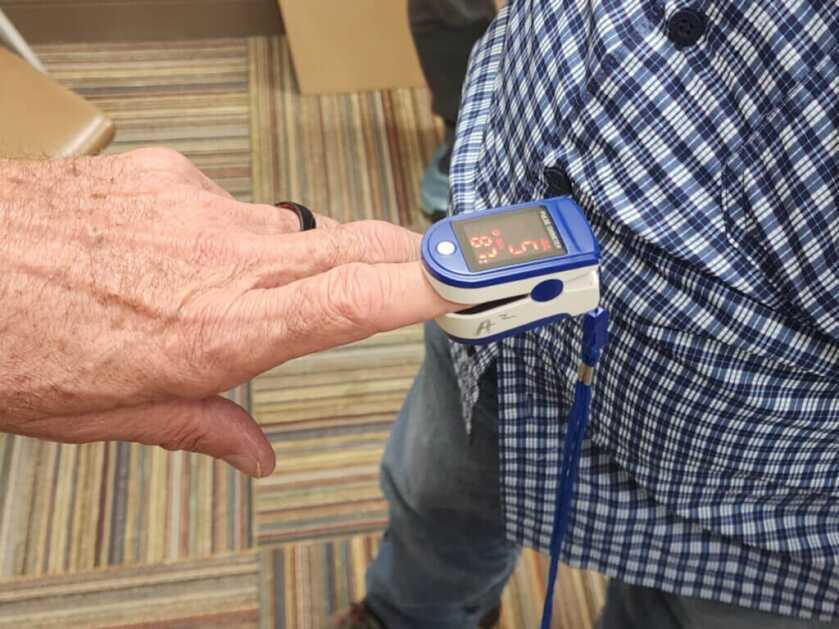
- Pulse oximeter (fingertip, portable, battery-operated)
- Nitrile gloves (multiple sets in your size)
- Trauma shears (full-size)
- Hemostatic gauze (QuickClot)
- Mylar blanket
- Compression bandage
- Compressed gauze
- Vented chest seal(s)
- Nasopharyngeal airway
- Eye shield (not to be confused with eye protection glasses)
- Emergency Trauma Dressing (ETD)
- SAM Splint
- Optional: Decompression needle, QuikLitter
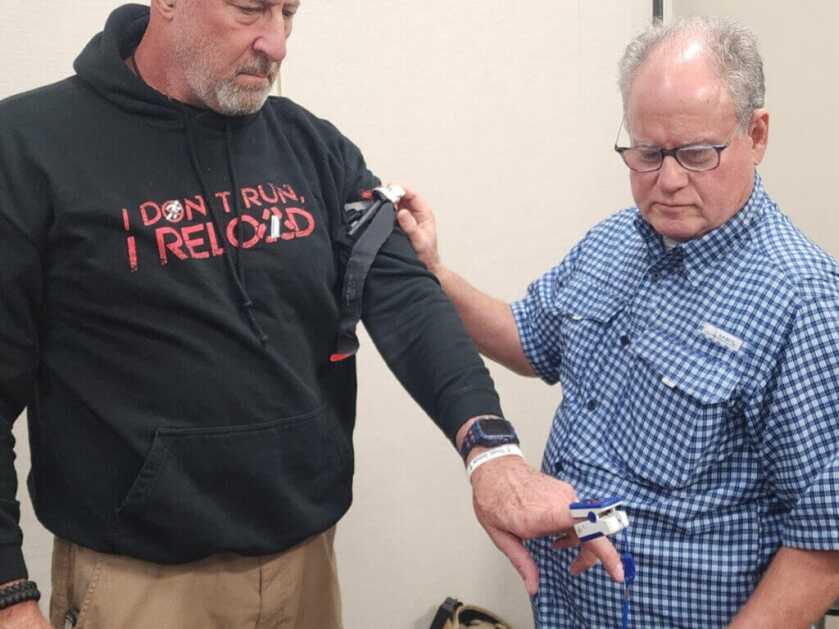
IFAK Use Training
Yes—and no. You need to know how to properly use a tourniquet, and that includes self-application. Some pieces of gear are self-explanatory, while others benefit a great deal from training. If possible, take a good class that goes beyond the basics of “slap a bandage on it and go.” This really should be part of the Hunter’s Education, most of us have been required to obtain—we all know how simplistic that course is. Adding serious first aid training would be great. Some good options include Direct Action Training from Dark Angel Medical and broader classes like Tactical Anatomy Summit, which originated with Dr. James Williams and is now being led by Dr. Andy Anderson, Steve Moses, Chuck Haggard, and Dr. Troy Miller. Tactical Anatomy addresses a wider range of topics—including live fire and self-defense—while also providing valuable hands-on trauma training.
Available on GunsAmerica Now
Tourniquets
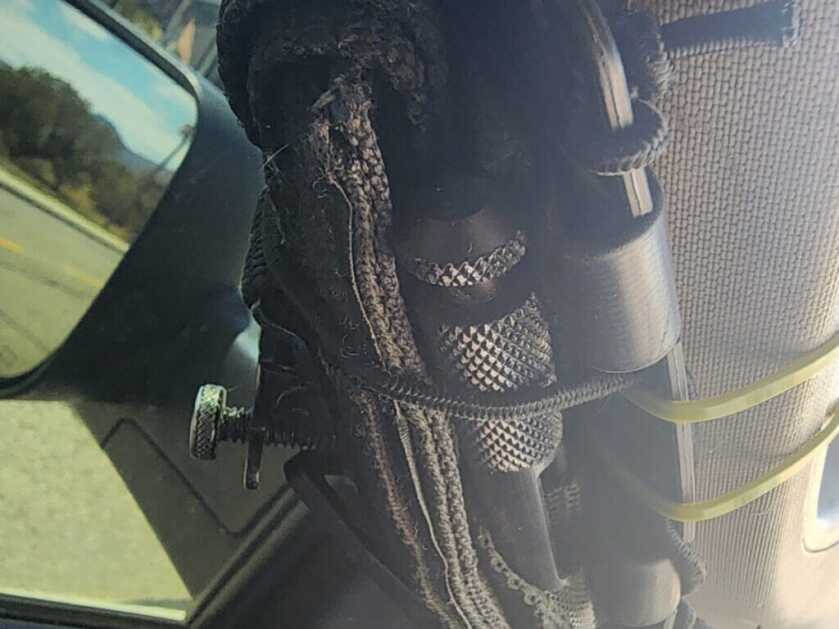
If you can’t afford anything else, get a good tourniquet. That means you’re looking for a CAT or SOF-T, not a RATS or SWAT-T. Tourniquets must have a windlass, should be large enough to properly fit larger limbs, and need to be, well, real tourniquets. Your belt, Paracord, rifle sling, and random objects aren’t tourniquets. Are they better than absolutely nothing? Yes, but it doesn’t cost much to have a quality tourniquet available, and it can easily save someone’s life.
Application
When you’re applying a tourniquet, there are a few things to consider. The first is debunking the idea that the use of a tourniquet will result in an automatic limb removal. That’s an outdated belief that needs to go away. Apply the tourniquet. Even if a limb was lost—which isn’t likely, not from the tourniquet itself—it’s better than a lost life. Second, you need to apply it as high on the affected limb as possible. This is due to a few things, including the way arteries retract much deeper into the body than you might realize. If you fail to apply the tourniquet high enough, it’s not going to stop the bleeding.
After the tourniquet is at the highest point on the limb, it’s time to tighten it as much as possible. It’s going to hurt when it gets tight enough—and that doesn’t mean you should stop. Keep going. Your goal isn’t the comfort of the patient; it’s stopping bleeding. Once you’ve cranked the windlass down tight and locked it into place, it’s time to consider whether the bleeding is stopping and if you can or want to label it for time of application. It’s useful to write down what time the tourniquet was placed—you can write it on skin if there’s no room on the tourniquet itself—but it’s not the end of the world if you forget or don’t have a Sharpie. There’s more to tourniquets than this handful of points, which is why it’s a good idea to take a class.
READ MORE HERE: Mystery Ranch Metcalf 75: Backcountry Hunting Pack Review
Trauma Kit Necessity
Yes, you do need a trauma kit! You can’t predict when a medical emergency will strike, and that means being prepared in advance. Items like tourniquets are literal lifesavers, and something like a SAM Splint can be a must for falls out of tree stands. It’s a good idea to be prepared, because the cost of a lack of preparation might be your life.
Find a Tactical Anatomy Summit class here and a Dark Angel Medical class here.
*** Buy and Sell on GunsAmerica! ***

Kat Ainsworth Stevens is a prolific outdoor writer based in North Texas. Her love and enjoyment of firearms extends to both self-defense and hunting, and she’s driven to teach safe gun handling. Kat’s the author of several books and thousands of articles as well as a successful editor with more than a decade of experience in marketing. With experience in everything from defensive handgun use to field dressing a deer, Kat’s background is varied and extensive. She firmly believes in the importance of protecting the Second Amendment as well as the First.
When she’s not behind a gun or processing her own game meat, Kat can be found trapping, boating, doing yoga, and mudding. The outdoors and the Lone Star State are where she belongs.
Experience
Author:
Handgun Hunting and anthologies including The Deer Shot Back: And Other Hunting Tales and How Not to Shoot Fish and Other Deer That Got Away.
Dedicated Outdoorsman:
Year-round enthusiast of hunting, trapping, and fishing.
Advanced Training:
More than 1000 hours of training in defensive handguns, long guns, edged weapons, self-defense law, force-on-force, handgun retention, and related topics.
Focused Specialty Skills:
Expert witness. Massad Ayoob Group certified Deadly Force Instructor and graduate of Active Self Protection The Practice & Preparation of Being an Expert Witness.