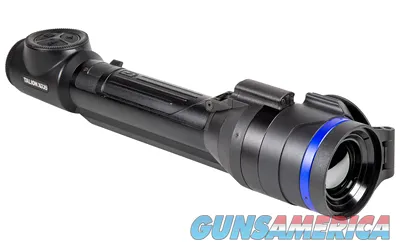
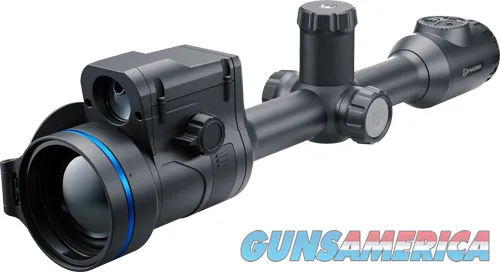
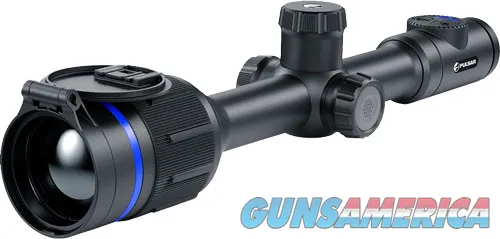
Thermal optics are no longer exotic. In 2025 they are standard kit for serious coyote crews, hog hunters, and anyone who wants to see the problem before the problem sees them. I have spent enough cold hours behind thermals to know what matters and what is marketing fluff. This guide to the Best Thermal Scopes (2025) cuts to the chase for hunters, CCW owners, home defenders, and collectors who want real capability without getting snowed by buzzwords. We will hit sensor resolution, lens size, refresh rate, and the ergonomics that keep you from fumbling in the dark. I will also show you where to save money and where spending more buys you real performance. For deeper dives, I link to full GunsAmerica hands-on reviews throughout, like the new large-format Pulsar flagship from SHOT 2025 and a clever micro clip-on that punches above its weight.

If you want a preview of how far image quality has climbed this year, start with our SHOT floor look at the latest large-format Thermion: Pulsar Thermion 2 LRF XL60. We will also cover flexible options like the InfiRay RH25 V2, a strong value newcomer from Nocpix, and Winchester’s new hunter-focused THSX 640.
Table of contents
Thermal Scope Buying Guide For 2025
The Best Thermal Scopes (2025) are built on the same physics. What separates winners is how well the pieces work together when the wind bites and the coyotes do not cooperate. Prioritize these factors.
Caliber And Recoil Rating
Thermals ride the gun. Electronics see every recoil cycle and every bad torque job. If you are running 308 or bigger, confirm the recoil rating and mount quality. Most units are fine on 5.56 and 300 BLK, but big boys need robust internals and honest zero retention.
Sensor Resolution And Pixel Pitch
Resolution is identity, not just detection. A clean 640 sensor helps you call dog versus deer at real distances. Quality 384 can still hunt inside 150 to 200 yards. Pixel pitch in microns matters, but only when paired with a real lens and smart processing. Judge the whole system, not one spec line.
Lens Size, Base Magnification, And FOV
Open country favors 50 to 60 mm lenses with 2x to 3x base for better PID on hang-up coyotes. Thick timber and hogs in brush lean toward 35 mm class with 1.5x to 2x base for wider field of view. Digital zoom is not a free lunch. Base mag and sensor quality decide what you can actually identify.
Refresh Rate, Latency, And Processing
Look for 50 to 60 Hz refresh and low perceived lag. Latency kills confidence on runners. Good processing gives you multiple palettes and contrast modes for humidity, fog, and smoke. Picture-in-picture is worth its weight if you shoot movers.
Reticles, Zeroing, And Ballistics
Reticles should be crisp in your favorite palette. Multiple rifle profiles save time if you share a unit across guns. One-shot zero and PIP are not gimmicks if implemented well. Built-in laser rangefinders make holds faster and decisions safer.
Power Strategy
Thermals chew batteries, then cold makes it worse. Plan real runtime and carry spares in an inner pocket to keep them warm. External power banks are insurance for long sits. Do not trust brochure hours alone.
Controls And Ergonomics
Big buttons, simple menus, fast boot. You will use this with gloves and adrenaline. An optic that remembers your last settings is worth more than an extra recording mode you will never use.
For a deeper look at a compact that can run as a clip-on or a tiny stand-alone, see our review of the InfiRay Outdoor RH25 V2.
Best Thermal Scopes Roundup
Pulsar Thermion 2 LRF XL60: Best Overall Image Quality And Range (2025)

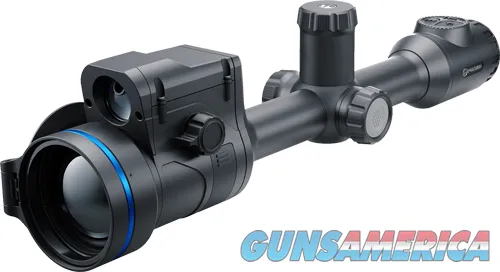
Pulsar’s Thermion 2 LRF XL60 is the 2025 standard bearer for clean images that hold up in bad atmospherics. The form factor stays traditional scope, so it mounts with rings and keeps a natural cheek weld. The integrated LRF removes guesswork when a coyote freezes at 280 and the wind is twitchy. If you chase the sharpest picture and the longest useful ID range, this sits on the throne.
Read our full Pulsar Thermion 2 LRF XL60 review here.
Key Specs
- Caliber Rating: Centerfire friendly
- Sensor: Large-format high resolution class
- Base Mag: Low to mid with digital zoom
- Lens: 50 to 60 mm class objective
- Refresh: 50 to 60 Hz
- LRF: Integrated
- Power: Interchangeable battery system
- Street Price: Premium tier
Pros
- Class-leading image for positive identification
- Built-in rangefinder speeds holds
- Traditional ergonomics and mounting
- Processing modes that help in humidity and fog
Cons
- Premium price and weight
- Large objective crowds some rails
- External power routing needs planning
InfiRay Outdoor RH25 V2: Best Multi-Role Micro Or Clip-On (2025)

The RH25 V2 is the Swiss Army knife of thermals. Run it as a tiny stand-alone optic on a light carbine, or clip it in front of your day scope and keep your zero. The image is better than its size would suggest, and the mounting options make it a natural for patrol rifles, truck guns, and minimalist predator rigs. If you want one unit that can wear several hats, start here.
Read our full InfiRay Outdoor RH25 V2 review here.
Key Specs
- Modes: Stand-alone optic or clip-on
- Sensor: High resolution micro class
- Lens: Compact for balance
- Refresh: Fast with low perceived lag
- Profiles: Multiple weapon profiles
- Power: Swappable cells, external compatible
- Street Price: Premium micro tier
Pros
- True flexibility across rifles and roles
- Lightweight and compact
- Surprisingly strong image for size
Cons
- Clip-on repeatability demands careful mounting
- Smaller lens limits far ID
- Premium price for the footprint
Nocpix ACE S60R: Best Value In The 60 mm Class (2025)

Nocpix is the new face with a chip on its shoulder. The ACE S60R brings a clean 640-class picture and controls that make sense in the dark, at a price that leaves gas money. It is a smart pick if you hunt big fields, want a larger objective for ID, and do not feel like paying flagship tax. New brand, but the performance per dollar is hard to ignore.
Read our full Nocpix ACE S60R review here.
Key Specs
- Sensor: 640 class
- Base Mag: Practical for open ground
- Lens: 60 mm class
- Refresh: Smooth for movers
- LRF: Select trims available
- Power: Removable pack or external
- Street Price: Value for the lens size
Pros
- Strong performance per dollar
- Good menu logic and tactile controls
- Solid image in cold and humidity
Cons
- Availability can be sporadic early on
- Accessory ecosystem still growing
- Firmware updates recommended on day one
Winchester THSX 640: Best New Hunter-Focused Thermal (2025)

Winchester surprised everyone by showing up with a real contender. The THSX 640 delivers a clean image, straightforward controls, and a scope-like form factor that feels right on a hunting rifle. If you want a trusted name on your thermal and a feature set aimed at hunters first, the THSX 640 is a confident first swing.
Read our full Winchester THSX 640 review here.
Key Specs
- Sensor: 640 class
- Base Mag: Balanced for mixed terrain
- Lens: 35 to 50 mm options
- Refresh: 50 to 60 Hz class
- Reticles: Multiple hunting options
- Power: Swappable pack
- Street Price: Mid to upper tier
Pros
- Trusted brand backing
- Clean image for ethical ID
- Glove friendly ergonomics
Cons
- Early availability may vary
- Accessory options still coming online
- Weight similar to other 50 mm class scopes
Thermal Monoculars That Make Your Scope Better
Scan with a monocular, shoot with a scope. That workflow saves your scope battery, reduces rifle fatigue, and keeps you faster on target. Two worth adding to your kit in 2025 are below.
SIG ECHO MV50 DV: Best Handheld For Scouting And Recovery (2025)

The ECHO MV50 DV is a compact handheld viewer that makes scanning painless. It is ideal for confirming movement before you shoulder the rifle and for finding downed game in brush. Pair it with any scope above for a two-tool thermal solution that wastes less time and battery.
Read our full SIG ECHO MV50 DV review here.
Key Specs
- Type: Handheld thermal monocular
- Use Case: Spotting, tracking, recovery
- Refresh: Smooth for panning
- Power: Rechargeable, field swappable
- Street Price: Mid tier
Pros
- Keeps your rifle down while you scan
- Good image for heat trails
- Simple controls in the dark
Cons
- Not an aiming device
- Runtime planning still required
- Recording features are basic
InfiTac FAST Mini FMP13: Best Pocket Thermal To Always Have On You (2025)

The FAST Mini FMP13 is a tiny viewer that rides in a pocket without complaint. It is perfect for quick checks on a trail, confirming a heat source near a feeder, or investigating a noise in the dark without flagging anyone with a rifle. It will not replace a 50 mm scope, but you will use it a lot because it is always there.
Read our full InfiTac FAST Mini FMP13 review here.
Key Specs
- Type: Micro handheld thermal
- Use Case: Pocketable scouting and verification
- Refresh: Fast enough for quick pans
- Power: Internal rechargeable, USB compatible
- Street Price: Budget tier
Pros
- Tiny and light, so you actually carry it
- Great for quick confirmation before you shoulder a gun
- Affordable add-on
Cons
- Not a weapon sight
- Limited ID range due to small lens
- Small controls with gloves
Thermal Scope Comparison By Budget
- Best budget thermal scope: Nocpix ACE S60R for big-lens value and clean 640-class image.
- Best thermal scope for predator hunting on big ground: Pulsar Thermion 2 LRF XL60 for top-tier image and built-in LRF.
- Best scope for hunters who swap between rifles: InfiRay RH25 V2 thanks to multi-role clip-on or stand-alone modes.
- Best new-for-2025 hunter pick: Winchester THSX 640 for trusted brand backing and practical controls.
Thermal Scope Pros And Cons
- Pros: See through darkness, fog, and light brush. Faster detection and safer identification. Video capture for training. Multiple profiles for several rifles.
- Cons: Cost and weight compared to day glass. Battery management in the cold. Digital zoom reduces fine detail. Menu logic varies by brand.
Field Tips That Save Hunts
- Zero Right: Use one-shot zero if offered, then confirm with a real three to five shot group.
- PIP For Movers: Run picture-in-picture so you get a high mag aim window without losing situational awareness.
- Battery Discipline: Rotate warm spares from a chest pocket. External banks are cheap insurance.
- Range And Hold: If you have an LRF, use it. If not, build a quick reference for common distances on your ground.
- Record Smart: Video is great for learning, but do not let the camera run your hunt.
Conclusion
The Best Thermal Scopes (2025) deliver more capability for less pain than any year prior. If you want the sharpest picture and the longest useful ID range, Pulsar’s Thermion 2 LRF XL60 is the hammer. If flexibility is your mission, the InfiRay RH25 V2 wears more hats than anything else on this list. Want a big-lens value pick that still looks good on fur, grab the Nocpix ACE S60R. For a trusted hunting name with modern performance, Winchester’s THSX 640 is a confident choice. Pair any scope with a handheld like the SIG ECHO MV50 DV or the pocket-sized FAST Mini FMP13 to scan smarter and shoot less tired.
Know your local laws on night hunting and thermal use. Confirm your target and backstop every time. For prices, availability, and more first-hand reviews, visit GunsAmerica.com. Train hard, shoot straight, and stay dangerous.