

Estimated reading time: 12 minutes
New Zealand’s McKerrow Mountain Range is rugged and vast, but it is also teeming with tahr, making it a dream destination for the hardcore bowhunter.
The climb was ruthless. The terrain was steep and gnarly. Rocks, which seemed cemented into the earth for centuries, gave way, causing us to push our hands into the mountain for support. New Zealand’s McKerrow Mountains are no joke.

Weirdly, though, I live for climbs like this, especially when I believe with all my heart that a pot of gold is waiting for me at the end. In this case, that pot of gold was, hopefully, a magnificent Himalayan bull tahr.
Table of contents
Patience, Please
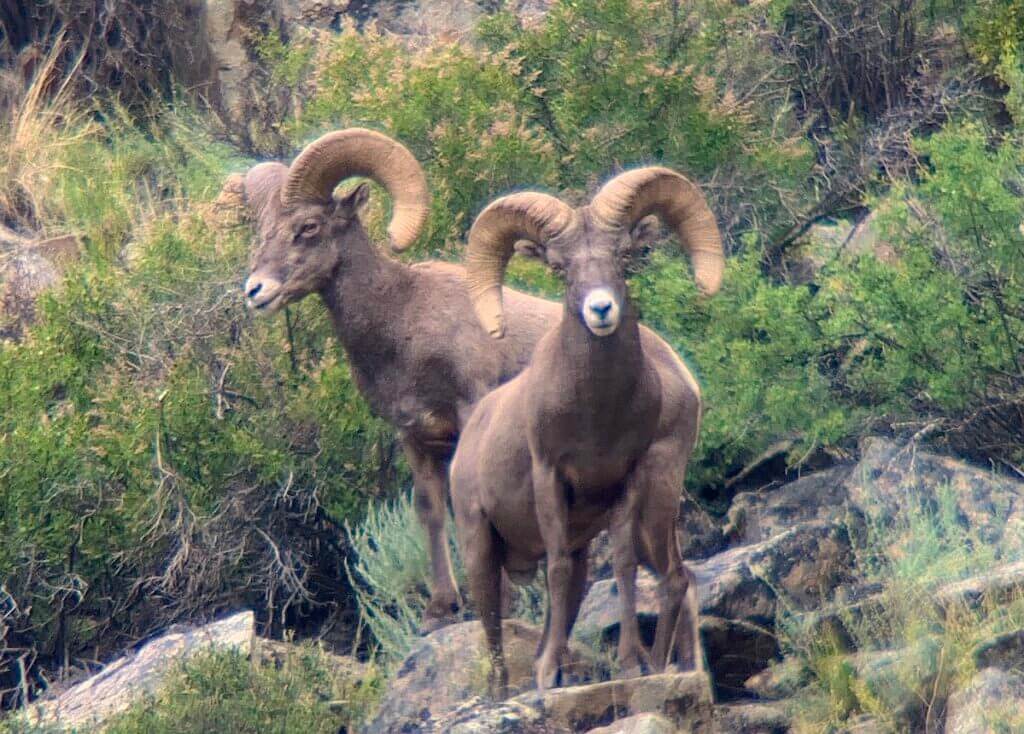
In 2021, I harvested my once-in-a-lifetime Colorado bighorn sheep with archery tackle. Before 2021 and several times since, I’ve assisted hunting buddies on their sheep quests.
One thing sheep hunting has taught me is patience. I’d spent seven full days behind the glass scouting the band of rams I’d be hunting. Once the seasons opened, I spent another two days behind my Leupold spotter. The goal was to wait, let the rams put themselves in a bad position, and then capitalize.
That’s what we’d done here. My good buddy and owner of SOE Hunts, Mike Stroff, and I had spent two mornings and one evening glassing the green mountainside from the valley below. Most mornings and evenings, no less than 30 tahr fed on the slope. We tracked their movements, made notes, studied the terrain, and put a plan of attack together.

There wouldn’t be much stalking cover, so my cameraman and I would have to sit against one of the many massive boulders littering the slope or burry into small bushes and wait.
Dust Time Means Tahr Showtime
The climb was over, and with a stiff north wind in our faces, we inched across the mountainside to get into position. This process was a few steps and glass, a few steps and glass affair. We had the wind, and the last thing we wanted to do was miss a tahr already out on the slope or that had bedded in a spot we’d fail to glass from below.
We still got busted. A young bull bedded in the shadow of a manuka tree suddenly stood. We froze. Mike, an excellent guide who has spent a lot of time in New Zealand, told me the day we arrived that if a tahr busts you and you remain statue-still, it will, sometimes, forget about you.

That was the case here. The young bull stared holes in us for 20 minutes before bedding back down. Still, this is but a chink in our well-laid plan. Mike huddled against a rock. My cameraman Stephen and I crawled backward and slowly descended down and across the mountain slope.
Mike texted me that we’d made it clean. Stephen and I spent the better part of an hour perfecting our hide and getting everything in order should the moment of truth present itself.
Dust Means Tarh Are Coming
I’ll never forget it as long as I live. This area of the McKerrow Range was in a drought. It was still vibrant green, but the edge of the steep canyon that the tahr were using to enter and exit the food source was chalky. Mike told us that before we started up the mountain, we should watch the canyon’s edge for big dust puffs.
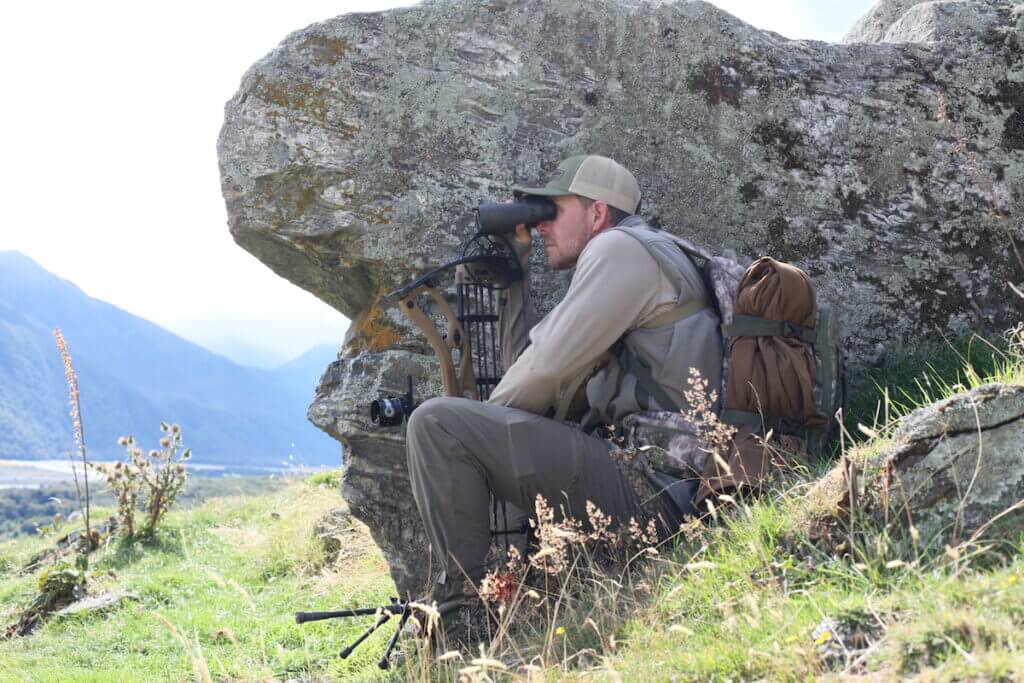
“You can’t see them, but when that north wind rolls dust over the canyon’s rim, you know they’re coming,” Stroff said.
Two hours passed before I saw the first puff, then another, and another. Seconds later, a bull tahr stood on a colossal boulder 112 yards away. Damn, they are a stunning creature. The bull reminded me of a mountain goat. The biggest difference is the blackish/blue mane and slightly larger, thicker horns.
Sweat poured off my brow. This was partly the beatdown of the midday New Zealand sun, and the other was nerves. The group of eight bulls—all shooters—were 53 yards away. More tahr mingled amongst them.

The problem was getting to full draw. There were young tahr above us, and a couple of the bigger bulls were starting to feed away. I took my chance. Inching out from behind the small bush, I told Stephen the tahr I planned to take. He told me he was on him, and I started to push and pull.
New Zealand Gear
Pardon the break in the excitement, but if you’re a serious bowhunter who gets their kicks hunting in extreme terrain, you demand extreme gear you know you can count on.
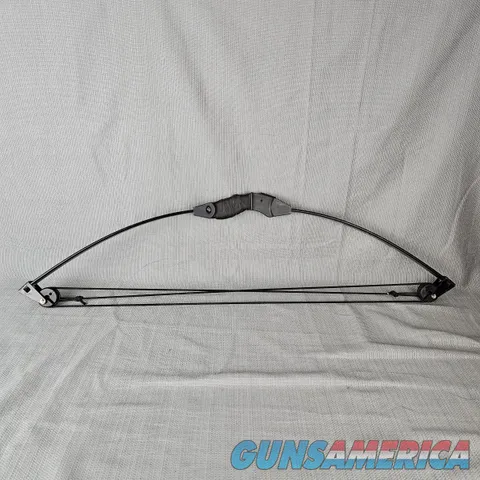
Due to the open terrain, I opted for a light, durable bow with more length between the axle pins for improved full-draw stability. My go-to was Hoyt’s Carbon RX-9 Ultra. Hoyt’s finest carbon build to date, the bow’s HBX Gen 4 cams allow draw-length adjustment in 1/4-inch increments, have Hard and X-tra Hard backwall options, and let-off can be set to 75, 80, or 85 percent. The bow allows maximum shooter customization. It draws like silk and sits steady at full draw.
Available on GunsAmerica Now

Far Practice, Close Shots
Set at a draw length of 28.75 inches and a draw weight of 70 pounds, my 418-grain Easton X10 Parallel Pro shafts fly at 292 feet per second and hit with 79.16 pounds of kinetic energy. The sight tape on my tough-as-nails dial-to-the-yard Spot-Hogg Boonie 3-Pin PM (Pic Mount) sight extends to 124 yards. The sight features direct-to-riser mounting for weight reduction and maximum lockdown, is first-, second-, and third-axis adjustable, and has tool-less windage and elevation adjust.
For the record, I’d never send carbon at an animal at 124 yards. Gross! I want my tape set as far as possible because I spend most of my stick-and-string practice sessions sending carbon from twice as far as I’m comfortable dropping the string on an animal. For tahr, I’d set that distance at 60 yards, which means most of my practice sessions are at 120 yards. The sight’s pins are ultra bright, and I appreciate the three-pin design with three individual yardage pointers.

Bowhunting Gear Tuned to Perform
My rest was, and will continue to be, for the foreseeable future, QAD’s UltraRest MX2. Like my sight, QAD’s IMS technology allows for direct-back-of-riser mounting, eliminating Berger hole mounting. With no rest mounting bar, washer, and screw, weight is reduced, and the chances of unwanted vertical movement are thwarted.
I love that QAD did away with the felt in the launcher arm and added rubber dampeners. Each MX2 rest also comes with a rubber Berger button-hole plug. The rubber further dampens post-shot noise and eliminates the bowhunter having to replace felt. The redesigned capture bar ensures your arrow will never fall off the rest, and the rest tunes up like a dream.

Light, Accurate, and Hunt-Ready
I went with Hoyt’s Superlite QD Arrow Quiver in a four-arrow model to keep weight down. I like the dual grippers, and the mounting bar allows for and set screw to let you snug the quiver tight to your riser. My arrows, as mentioned earlier, were Easton’s X10 Parallel Pros. The 4mm build ensures downrange precision, and the shafts have an uncanny ability to resist side-to-side wind drift. The 340 spine with 55-grain Aluminum/Aluminum Half-Outs fletched with four Flex-Fletch 2.5 vanes set at a 2-degree right helical has been my go-to for two years.
Threaded into those 55-grain Aluminum/Aluminum Half-Outs was SEVR’s all-new Ti 1.5 4-Blade Hybrid. The broadhead’s accuracy is insane, and by adding a .7-inch bleeder blade, SEVR increased the original Ti 1.5’s overall cut diameter to 2.2 inches. The broadhead is scarily accurate, and thanks to SEVR’s innovative Practice Lock, you can add the included set screw to a second hole in the ferrule to lock the blades in place. This feature lets you practice with the broadhead you plan to hunt with.
The X10 Parallel Pro tracks seamlessly behind the large cut, enhanced by the Lock-and-Pivot Blades to reduce friction and ensure more pass-throughs.
Release Choice Matters
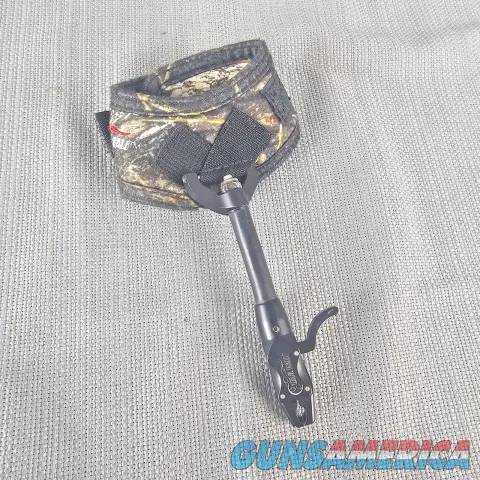
Concerning my release, I’m a hinge/thumb-button guy. Looking back on this hunt, I should’ve stayed with the same release I used to put a perfect 61.5-yard shot on my Rocky Mountain Big Horn Sheep: T.R.U. Ball’s HBC hinge. Instead, I went with Carter’s Too Simple thumb-button, which I love.
I mention this because I think being honest with ourselves is always important. When I’m shooting a trigger-type release, I do have a tendency to rush the shot a little and jab the release. When shooting a hinge, I’m forced to stay with the shot, push and pull, and let the release fire the bow. While I did execute a controlled release on my tahr, I manipulated the trigger with my thumb instead of letting it continue to bring my back muscles together while relaxing my release hand from the wrist down. There is a time and place for a controlled release, but I prefer to let the release fire the bow.
Back To The Action – Tarh Hunting
It was a Déjà vu moment. Rolling the yardage wheel to 61.5 yards took me back to my Rocky Mountain Bighorn Sheep. Yes, I know the distance is 1.5 yards further than my intended maximum range, but I was calm and steady when I hit a full draw. The wind was strong, but in my face, and when I triggered the thumb, I watched the arrow hit a tick lower than I wanted. The wind in my face and the fact that I held a bit low, anticipating the animal to jump, was the reason for the low impact.
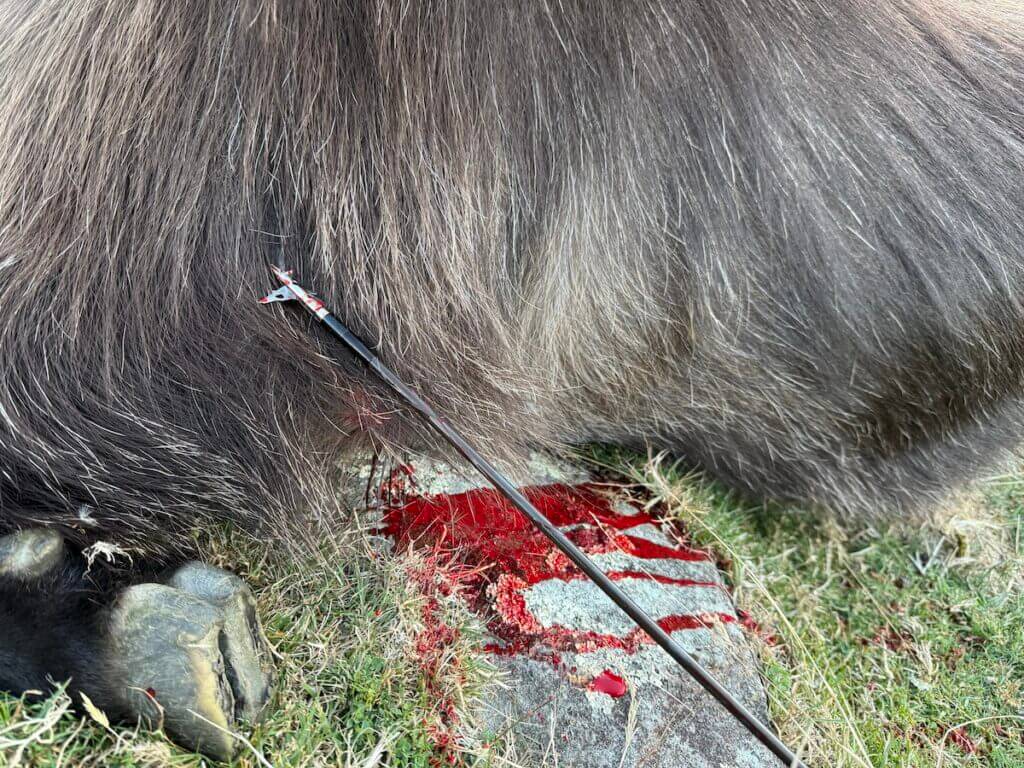
However, lucky for me, the SEVR hit vertically and destroyed the bottom of the bull’s heart. I love rugged mountains and the animals that live in them. This was one of my life’s most challenging and remarkable bowhunts. I can’t wait to return. I made some amazing friends, my bride of 22 years was able to make the trip across the big pond with me, and I was there with my good buddy Mike.

Mike and I have had many adventures over the years, and if this article triggered you to think about planning your own New Zealand adventure, email Mike at mike@savageoutdoorstv. He puts in the work and will help you plan your trip from start to finish.
READ MORE HERE: Lessons Learned From Africa
Sidebar: Layering Bonus
New Zealand is in the southern hemisphere, which means March is fall. Temperatures on the mountain were ever-changing. On this hunt, I took along a layering system from ALPS OutdoorZ.
ALPS is known for its packs and quality turkey and upland vests. However, the manufacturer makes a fine upper-layering system I’ve come to trust. I love Merino wool, and ALPS’ Evolution Merino 150 Long Sleeve and 250 Quarter-Zip were my go-to base layers. The ultra-fine micron wool is ultra-soft, and the layers provide 50+ UPF sun protection. The Merino wool wicks away moisture, and the garments are quick-drying and extremely breathable.

I added ALPS’ Element Hoodie and Sierra Vest when the sun was rising and setting. The hoodie’s poly/cotton blend adds comfort, and the three-piece hood construction keeps it on your head and doesn’t let it tumble around. I appreciate the fleece interior and the large Kangaroo-style front pocket.
The Sierra Vest is new to ALPS’ clothing lineup. It’s a two-layer softshell with four pockets—two zippered chest pockets and two zippered side pockets. The 4-way stretch fabric moves well with the hunter and is DWR-treated to increase weather resistance. The interior microfleece adds warmth and boosts wind resistance, which was greatly appreciated, and the YKK VISLON zippers never fail.
*** Buy and Sell on GunsAmerica! ***
