Riverside Arms

Classic Shotgun Handling

Riverside Arms shotguns were built as straightforward working guns, with emphasis on simple mechanisms and honest field performance. Most examples are single shot or side by side doubles that share actions with Stevens models such as the 215 and 315, giving them familiar handling and predictable lockup. Stocks, sighting beads, and barrel lengths were chosen with bird hunting and general farm use in mind, so the guns mount quickly and point naturally at typical upland and small game distances. For many owners, a Riverside shotgun was a first hunting gun, passed down as a family tool rather than a showpiece.

Versatile Vintage Firearms

While Riverside Arms was never positioned as a high grade brand, the guns filled a wide range of everyday roles. Single shot 12 and 16 gauge guns served as all purpose farm shotguns that could handle small game, pests, and informal clay targets, while some doubles and small gauge variants became favorite upland partners. Many were sold through catalog houses and local hardware stores, which made them accessible to new shooters across the country. Today they show up most often as heirlooms, estate finds, or budget collectible pieces for enthusiasts who enjoy vintage American shotguns with Stevens lineage.

Workhorse Durability

Riverside Arms guns were branded as economy models, but they shared core engineering with Stevens branded shotguns and were built on the same production lines in Chicopee Falls. Actions typically use robust lockwork and straightforward break open designs that stand up well when maintained. Many examples still function more than a century after production, which speaks to the basic strength of the receivers and barrels. Owners should still have an older shotgun inspected by a competent gunsmith before use, especially when chamber markings and barrel steel specifications are unclear, but Riverside Arms models have earned a reputation as durable working guns from a demanding era.

Product Focus

Rifles

The Riverside Arms name is most strongly linked with shotguns, yet some rifles and combination guns trace their origins to the same Stevens family of firearms. Collectors occasionally encounter 22 rimfire or small caliber long guns with Riverside markings, or more commonly, guns that share components and design features with Stevens branded rifles of the same period. These utilitarian rifles were intended for farm, small game, and informal target work, prioritizing simple actions, plain stocks, and easy handling over luxury finishes. For modern owners researching a family rifle with Riverside or Stevens markings, parts compatibility and design heritage often overlap, which can simplify maintenance and restoration. In the collector market, any Riverside marked rifle tends to be valued for its link to early 20th century American rimfire history and its connection to the broader Stevens and Savage family tree rather than for ornate embellishment.
Rifles

Parts And Support For Riverside Arms

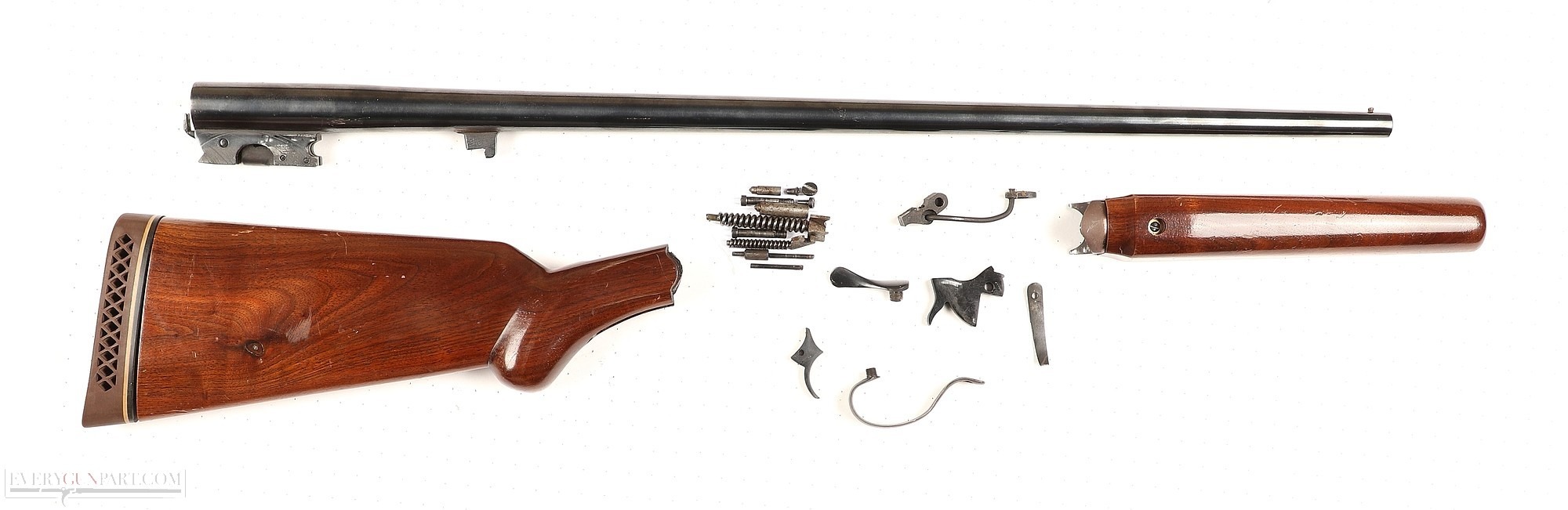
Because Riverside Arms was a trade name rather than a separate manufacturer, parts support and identification usually follow Stevens model lines. Many Riverside marked doubles correspond closely to Stevens 215 and 315 models, while single shot guns may share mechanical patterns with other Stevens break action designs of the era. Modern owners often turn to specialty suppliers, parts houses, and online marketplaces that stock Stevens and Savage components, along with used parts harvested from donor guns. Because production spanned changes in ownership from J. Stevens Arms & Tool Co through Savage Arms, exact dates can sometimes be narrowed by rollmarks, patent dates, and proof markings. Owners tracking down firing pins, extractors, stocks, or small springs will typically search by both Riverside and Stevens designations. Having clear photos of the action, markings, and barrel lug arrangement greatly improves the chances of matching the correct parts, especially on older doubles where internal dimensions can vary slightly between runs.
Parts And Support For Riverside Arms

Shotguns

Riverside Arms shotguns are the heart of the name. These guns were sold as economical, serviceable shotguns, but they share much of their DNA with more widely recognized Stevens models. Single shot 12 gauge guns with external hammers and long barrels are common, as are simple doubles that mirror the configuration of Stevens 215 and 315 side by side shotguns. Gauges range from 12 and 16 down to 20 and 410, and many barrels carry chamber lengths suited to the era, so a current gunsmith evaluation is wise before running modern high pressure loads. For field use, these guns offer a long proven pattern of balance and swing that fits classic bird hunting and small game shooting. Finish levels tend to be plain, with blued metal and hardwood stocks that sometimes show hard use, yet the underlying actions often remain sound. On today’s market, Riverside Arms shotguns appeal to collectors of store brand and trade name firearms, to shooters looking for an affordable vintage 12 gauge, and to families interested in preserving an heirloom from an earlier generation. When inspected and maintained correctly, many continue to serve as casual field guns or as functional pieces in a collection of early 20th century American shotguns.
Shotguns

Frequently asked questions

What is Riverside Arms?

Riverside Arms was a trade name used by J. Stevens Arms & Tool Co and later Stevens Arms Co for economy grade shotguns and related firearms, primarily produced in Chicopee Falls, Massachusetts.

When were Riverside Arms shotguns made?

Most Riverside Arms guns date from roughly the mid 1910s through about 1940, overlapping with Stevens ownership transitions and later Savage control.

Are Riverside Arms shotguns safe to shoot?

Many examples remain in service, but any older shotgun should be inspected by a qualified gunsmith before use to confirm chamber length, barrel condition, and suitability for modern ammunition. Discussions among owners often highlight the need to avoid heavy loads in thin or unknown barrel steels.

How do Riverside Arms guns relate to Stevens models?

Riverside Arms guns often mirror Stevens designs, particularly side by side shotguns that correspond closely to Stevens 215 and 315 models, sharing actions and many internal parts.

Where can I find parts for Riverside Arms firearms?

Parts sources typically list items under Stevens or Savage model numbers. Specialty gun parts dealers, online auctions, and forums that focus on Stevens and trade name shotguns are common places to locate stocks, barrels, firing pins, and small components.

Are Riverside Arms guns collectible?

Riverside Arms firearms are often collected as examples of early 20th century American trade name guns and for their connection to Stevens and Savage history. Values tend to reflect condition, gauge, configuration, and any family or regional significance.

About

Riverside Arms represents a period when American manufacturers supplied store brand shotguns to hardware chains and local merchants across the country. While never marketed as luxury firearms, these guns carried the same core engineering found in Stevens products and served working hunters, farmers, and new shooters for decades. Owners today often encounter Riverside Arms guns as family pieces with stories attached, and the brand has gained renewed attention among collectors who appreciate the practical side of early 1900s American gunmaking.

History

Popular Models

Latest Firearm News & Reviews

Stay informed with the latest news, expert reviews, and in-depth articles on firearms, shooting sports, and gun-related topics. Whether you’re a seasoned shooter or new to the world of firearms, our collection of articles will keep you updated on industry trends, product launches, and valuable tips for responsible gun ownership.