REMINGTON MODEL 81 for Sale
Browse Remington Model 81 listings from verified sellers across the U.S. on GunsAmerica.
Quick Look at the Remington Model 81
Developed in the 1930s, the Remington Model 81 evolved from John Browning's original autoloading rifle design. It features a long-recoil action ideal for big-game hunting. Today, it's sought after by collectors and vintage shooting enthusiasts for its unique history and classic styling.
Why It's a Top Choice
- Reliable long-recoil semi-automatic action
- Offered in multiple powerful calibers
- Classic hardwood stock with fine checkering
- Historical value for collectors and shooters
- Unique cycling mechanism with vintage appeal
Key Variants
Remington Model 81 Woodsmaster
The most known variant, chambered in classic calibers like .300 Savage and .35 Remington, excellent for vintage big-game use.
Remington Model 8
The Model 81's predecessor, another Browning design, is a classic in its own right and collectible alongside the Model 81.
Competitor Comparison Table
| Feature | Remington Model 81 | Winchester Model 100 | Browning BAR |
|---|---|---|---|
| MSRP | Discontinued | Discontinued | $1,100+ |
| Capacity | 5-round fixed mag | 4-round detachable | 4+1 |
| Weight | ~8.5 lbs | ~7.5 lbs | ~7.5 lbs |
| Optics-Ready | No (scope mounts aftermarket) | Yes | Yes |
| Trigger Type | Single-stage | Single-stage | Single-stage |
| Notable Pro | Classic Browning design | Detachable mag convenience | Hunts heavy game well |
| Notable Con | Fixed mag, heavier recoil | Known for trigger issues | Heavier, costlier |
Best Use Cases
- Big-game hunting with vintage flair
- Classic rifle collection centerpiece
- Range practice with historical rifles
- Handload testing for mid-century calibers
- Recoil study and firearm history education
FAQs
Can I mount a scope on the Remington Model 81?
Yes, but it requires aftermarket mounts or gunsmithing, as the rifle was not originally optics-ready.
What calibers was the Model 81 chambered for?
Chamberings included .300 Savage, .30 Remington, .32 Remington, .35 Remington, and .25 Remington.
How does the long-recoil action work on the Model 81?
Upon firing, barrel and bolt recoil together, then separate to eject and cycle--a design by John Browning.
Prefer nearby results? Toggle to search local listings.
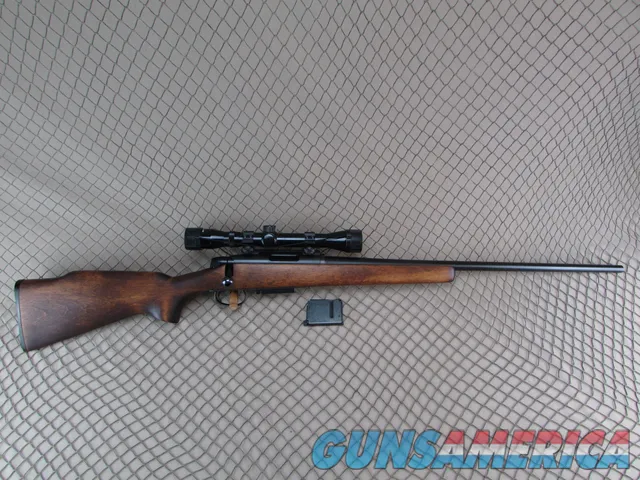
Remington Model 788 223 Remington 1977 #...
$1,100.00
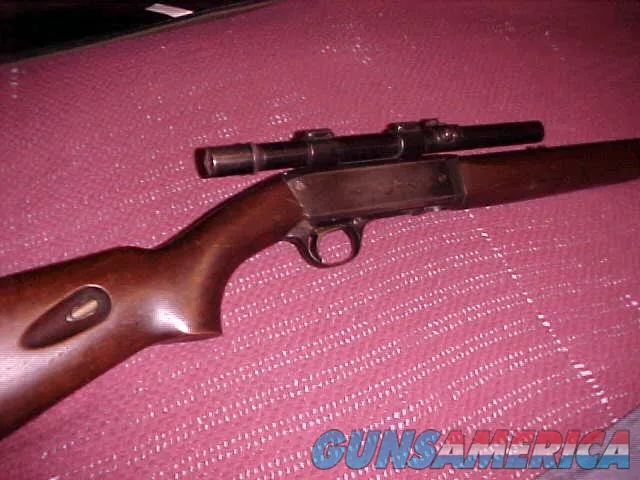
Remington 241 Speedmaster .22 LR semi-au...
$475.00
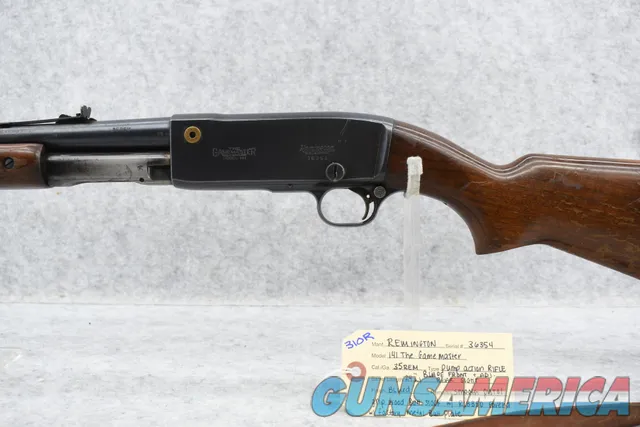
Remington Model 141 Gamemaster .35 Rem P...
$699.99